

Volkswagen and Chinese partner SAIC to sell joint venture plant in west China’s Xinjiang
Advertisement
Read this article for free:
or
Already have an account? Log in here »
To continue reading, please subscribe:
Monthly Digital Subscription
$0 for the first 4 weeks*
- Enjoy unlimited reading on winnipegfreepress.com
- Read the E-Edition, our digital replica newspaper
- Access News Break, our award-winning app
- Play interactive puzzles
*No charge for 4 weeks then price increases to the regular rate of $19.00 plus GST every four weeks. Offer available to new and qualified returning subscribers only. Cancel any time.
Monthly Digital Subscription
$4.75/week*
- Enjoy unlimited reading on winnipegfreepress.com
- Read the E-Edition, our digital replica newspaper
- Access News Break, our award-winning app
- Play interactive puzzles
*Billed as $19 plus GST every four weeks. Cancel any time.
To continue reading, please subscribe:
Add Free Press access to your Brandon Sun subscription for only an additional
$1 for the first 4 weeks*
*Your next subscription payment will increase by $1.00 and you will be charged $16.99 plus GST for four weeks. After four weeks, your payment will increase to $23.99 plus GST every four weeks.
Read unlimited articles for free today:
or
Already have an account? Log in here »
Hey there, time traveller!
This article was published 27/11/2024 (375 days ago), so information in it may no longer be current.
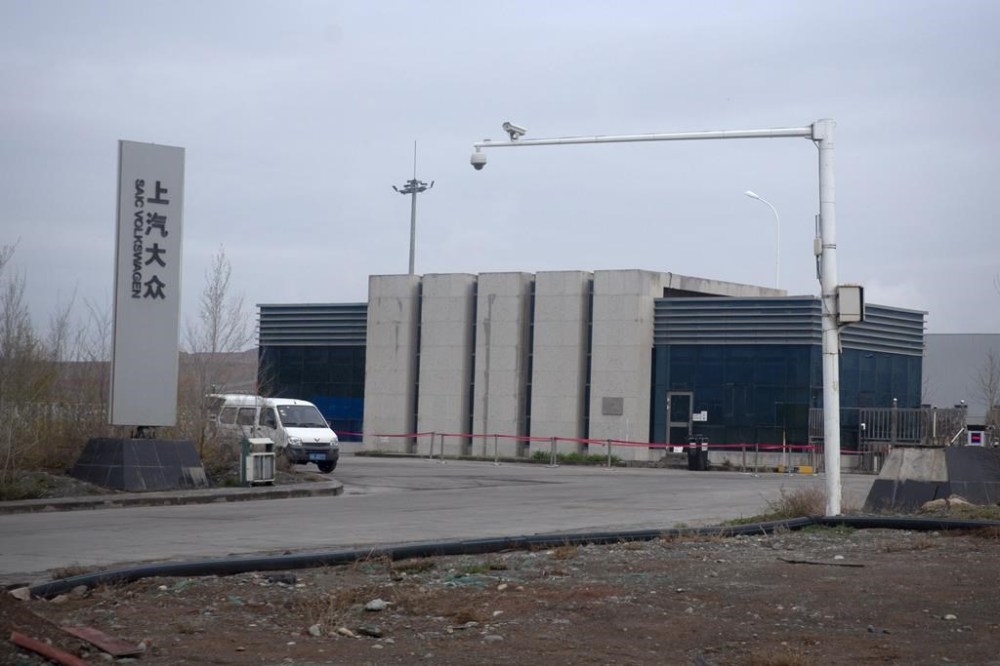
BANGKOK (AP) — Volkswagen and Shanghai’s SAIC Motor have agreed to sell a factory in China’s far western Xinjiang region that drew criticism due to accusations by western governments of human rights violations.
The companies also said Wednesday that they were extending their 40-year-old automaking joint venture until 2040, ahead of schedule, and that the JV will step up its shift to electric vehicles.
Volkswagen AG was one of the first foreign investors in China’s auto industry. The 1980s model Santana sedans its JV in Shanghai made formed the basis of taxi fleets in Shanghai and other cities for many years. SAIC, based in Shanghai, says it is the largest automaker in China, turning out 5 million vehicles in 2023. It also has partnerships with General Motors and other automakers.
Earlier this year, the Volkswagen Group, which includes Audi and Porsche, said it plans to launch 40 new models in China over the next three years and to have a lineup of 30 EVs by 2030. On Wednesday, it said SAIC Volkswagen plans to launch 18 new models by 2030, including eight EVs.
Volkswagen is among many foreign automakers that have been caught flat-footed by an electric vehicle boom in China that has shaken up the market, the world’s largest, over the last three years.
The company said the joint venture site in Xinjiang’s capital Urumqi will be sold to the Shanghai Motor Vehicle Inspection Center, while preserving the jobs of the roughly 170 people who work there. It said the joint venture has also sold test tracks in Xinjiang’s Turpan and in Anting, outside Shanghai.
In response to criticism over its operations in Xinjiang, Volkswagen earlier said an audit it commissioned found no evidence of forced labor at the facility, but it was considering options for its future.

The plant, operated by a subsidiary of SAIC-VW, began production in 2013 and had a maximum capacity of 50,000 vehicles. It no longer makes vehicles but provides inspections.
The restructuring of the VW-SAIC joint venture comes at a time of uncertainty over costs and market access given moves by western governments to impose higher tariffs on electric vehicles imported from China.