

On the road
Trek down Asia’s ‘hippie trail’ in the 1970s makes for a riveting read
Advertisement
Read this article for free:
or
Already have an account? Log in here »
To continue reading, please subscribe:
Monthly Digital Subscription
$0 for the first 4 weeks*
- Enjoy unlimited reading on winnipegfreepress.com
- Read the E-Edition, our digital replica newspaper
- Access News Break, our award-winning app
- Play interactive puzzles
*No charge for 4 weeks then price increases to the regular rate of $19.00 plus GST every four weeks. Offer available to new and qualified returning subscribers only. Cancel any time.
Monthly Digital Subscription
$4.75/week*
- Enjoy unlimited reading on winnipegfreepress.com
- Read the E-Edition, our digital replica newspaper
- Access News Break, our award-winning app
- Play interactive puzzles
*Billed as $19 plus GST every four weeks. Cancel any time.
To continue reading, please subscribe:
Add Free Press access to your Brandon Sun subscription for only an additional
$1 for the first 4 weeks*
*Your next subscription payment will increase by $1.00 and you will be charged $16.99 plus GST for four weeks. After four weeks, your payment will increase to $23.99 plus GST every four weeks.
Read unlimited articles for free today:
or
Already have an account? Log in here »
Hey there, time traveller!
This article was published 18/02/2023 (1025 days ago), so information in it may no longer be current.
In the spring of 1978, 22-year-old Mark Abley set out for India, overland. By then the “hippie trail” from Istanbul in Turkey to Kathmandu in Nepal had been popular since the late 1950s: it was cheap, possibly enlightening, but never easy. And the following year, with the Iranian revolution and the Soviet invasion of Afghanistan, that trail would come to an end.
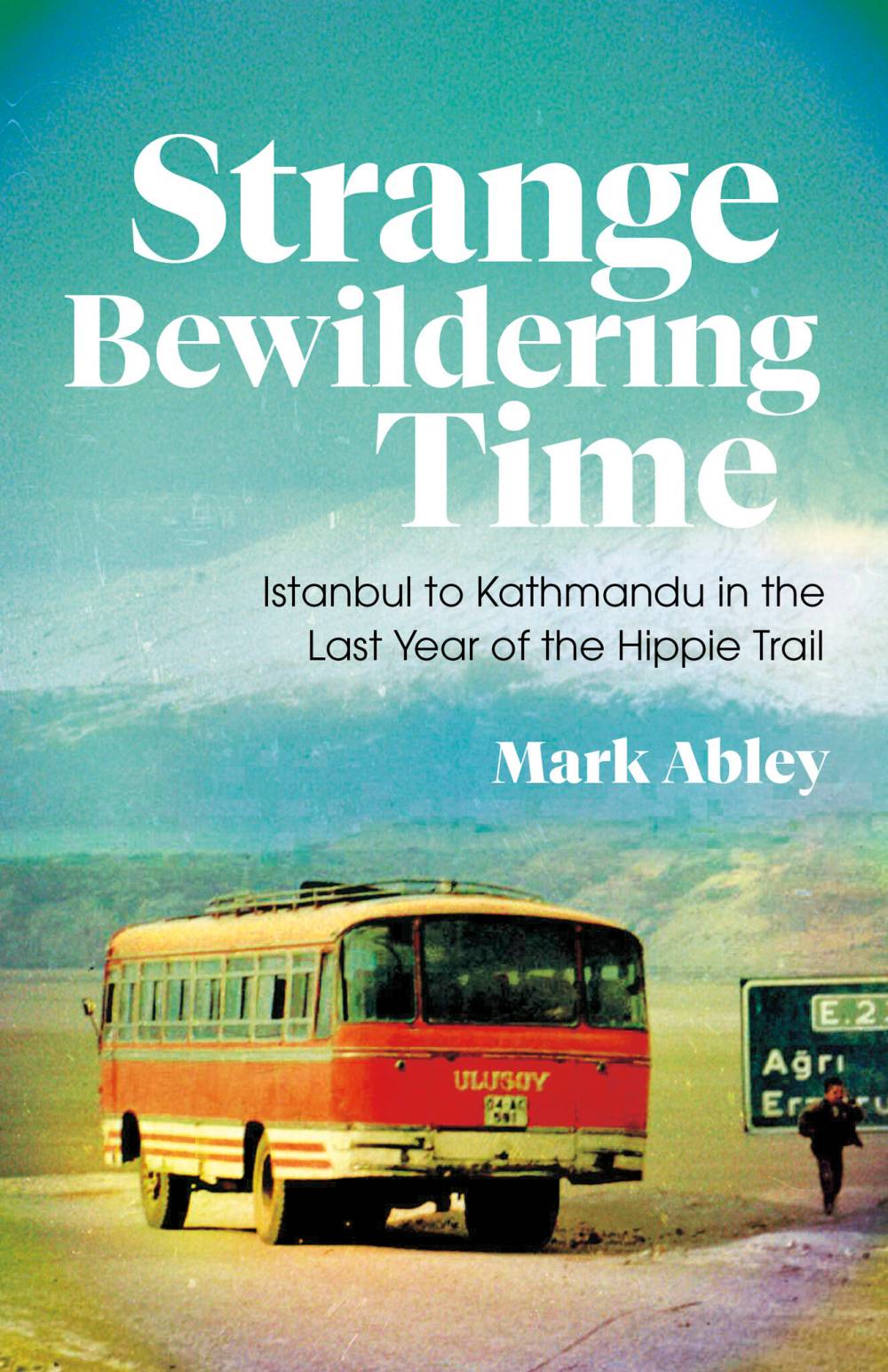
Fortunately Abley kept detailed notes, took them out 30 years later, and decided to write Strange Bewildering Time, his 13th book. He apologizes for his “inability to concoct the past” but, in fact, his truthfulness is refreshing. It is easy to concoct the past when you have kept nothing in writing, and much more challenging to encounter your 20-year-old self.
At the time Abley was a Rhodes scholar from Saskatchewan studying at Oxford. He had become skeptical about Christianity and was an admirer of Gandhi, but otherwise far from the hippie stereotype — no drugs, no sex, no sitting at the feet of a guru on this trip. Abley had fallen in love with Annie, his wife-to-be, just before he and friend Clare set out for Istanbul in April. His chief motive was to make it to various post offices along the way to read Annie’s letters.
John Kenney photo
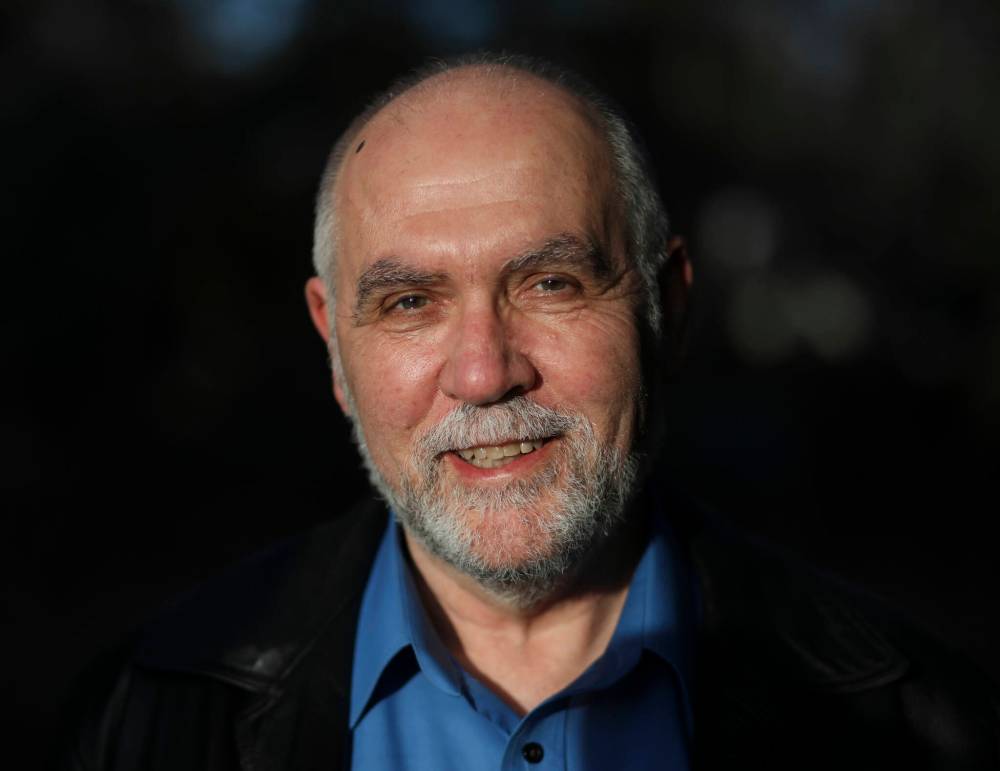
Auther Mark Abley… TK
Nevertheless, from the mosaics of Istanbul’s Hagia Sophia and the remnants of Byzantine churches in eastern Turkey to India’s Taj Mahal and the temples of Kathmandu, as well as the exotic birds he spotted along the way, he was impressed. Some of his best experiences were in Iran, where he found the people kind and the cities of Isfahan, Bam and Kerman spectacular. How could it be, he wondered, that a country ruled by one cruel regime after another produced such generous people?
Abley has done his research and adeptly gives historical context to the places visited. In some cases he brings readers up to date on what has happened since. In Bam, for example, an earthquake in 2003 killed 30,000 and destroyed its citadel; other cities such as Isfahan and Kathmandu are now experiencing pollution and water shortages and in India, vultures are on the verge of extinction.
Until they crossed from Iran into Pakistan, Abley and Clare had coped with the challenges of travel fairly well. After Clare was assaulted in Turkey, Abley never left her side. They had learned patience, for very little happened on schedule. And they had discovered that if you placed the legs of your bed in pails of water, you could sleep cockroach-free.

Then, probably about mid-May, they hit the crowded cities and the ferocious heat of pre-monsoon Pakistan and India, and the journey became “an endurance contest.” Abley also became wary of anyone who approached him. “Leaving Oxford, I had vowed to remain open to the world. I had hoped to be unlike the person I feared I was becoming,” he writes.
Still, they persisted, travelling many long days and nights on crowded trains to the Khyber pass, then on to Kashmir for a brief break from the heat, and back through northern India to Nepal. Abley found the Taj so beautiful he viewed it three times, but the crowds and the noise of India’s cities continued to wear him down.
Strange Bewildering Time
Finally, in Kathmandu they escaped the heat, stayed in one place and actually relaxed. It’s not surprising that, exhausted and many kilos lighter, they decided to borrow money from “the Bank of Clare’s Father” and fly back to London.
Abley has written a vivid and thoughtful account of his experiences, both positive and negative. If only he had included a few photos, but perhaps just his notebooks remain.
Faith Johnston worked in northern India for two years and has never forgotten the heat in May and June.
