

Musical stories merit multiple reads
Advertisement
Read this article for free:
or
Already have an account? Log in here »
To continue reading, please subscribe:
Digital Subscription
One year of digital access for only $75*
- Enjoy unlimited reading on winnipegfreepress.com
- Read the E-Edition, our digital replica newspaper
- Access News Break, our award-winning app
- Play interactive puzzles
*Billed as $5.77 plus GST every four weeks. After 52 weeks, price increases to the regular rate of $19.95 plus GST every four weeks. Offer available to new and qualified returning subscribers only. Cancel any time.
Monthly Digital Subscription
$4.99/week*
- Enjoy unlimited reading on winnipegfreepress.com
- Read the E-Edition, our digital replica newspaper
- Access News Break, our award-winning app
- Play interactive puzzles
*Billed as $19.95 plus GST every four weeks. Cancel any time.
To continue reading, please subscribe:
Add Free Press access to your Brandon Sun subscription for only an additional
$1 for the first 4 weeks*
- Enjoy unlimited reading on winnipegfreepress.com
- Read the E-Edition, our digital replica newspaper
- Access News Break, our award-winning app
- Play interactive puzzles
*Your next Brandon Sun subscription payment will increase by $1.00 and you will be charged $17.95 plus GST for four weeks. After four weeks, your payment will increase to $24.95 plus GST every four weeks.
Read unlimited articles for free today:
or
Already have an account? Log in here »
Hey there, time traveller!
This article was published 30/01/2021 (1940 days ago), so information in it may no longer be current.
Some poetry, and some prose, reward re-reading because of composition — words and syntax and turns of phrase. Some texts repay in recognition of essentially universal experience, reflecting human feelings and interactions.
The best art does both, conceivably at the same time, depending on circumstances: the reader’s, the composition’s, the world’s.
In Canadian author and University of New Brunswick professor Mark Anthony Jarman’s slim collection, the five stories achieve peak verbal expression consistently. Reading these prose pieces over often elevates them into the realm of shared experience as well.
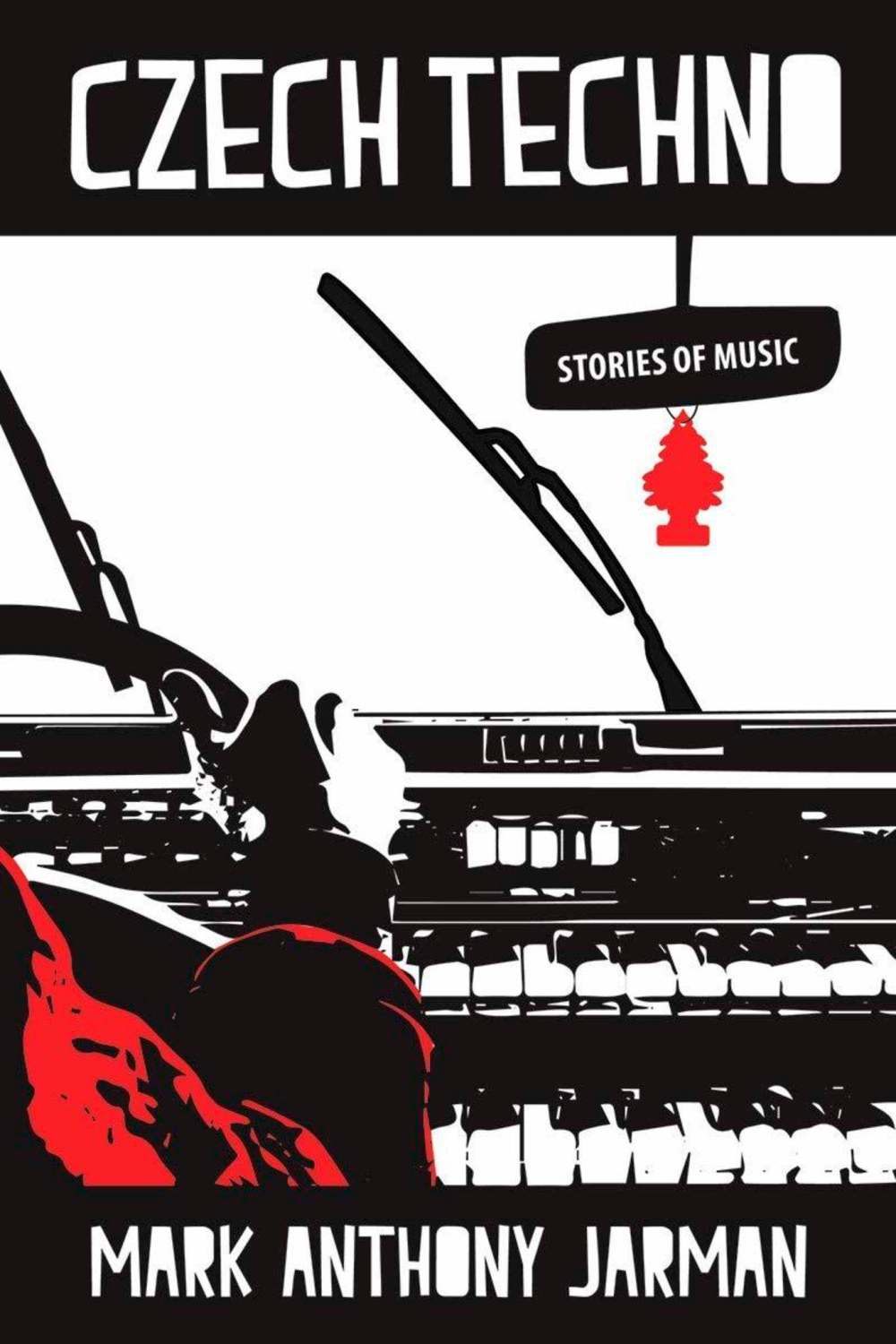
Jarman’s narratives teem with intimations of vaguely recalled lyrics and other shadowy allusions, as well as self-referential cycles of image and perspective. Most are also concerned with travelling bands and other aspects of music around the world.
Czech Techno (Hail to That Which Surrounds You) is the stream of consciousness of a musician on tour in Scandinavia, perhaps, who watches a girl by a hedge, who might be a girlfriend with whom he has lost contact. Somehow bees and the narrator’s family are involved, too.
So, is it fiction? Going back through Czech Techno, the elusive images and imaginings can begin to tweak the reader’s own reflections and memories. Different images and snippets of songs begin to populate the page. A third time through may awaken other thoughts. What seemed perplexingly dense may begin to open up, as a good poem would.
In Johnny Cash in the Viper Room (Cowboy Asylum) the (same?) narrator reminisces about his ex, Anna (the same lost love?), tracing her and her brothers’ “Viking blood” and their Irish Blasket island heritage, chronicling situations where they have travelled, hoping for connection.
Posters of Johnny Depp and River Phoenix, and Johnny Cash cameos, are also involved.
The music in Pine Slopes, Sweet Apple Slopes is incidental at first; an accordion playing in the street awakens the narrator too early after a bout of drinking, or perhaps a tryst with Sally — both married, but not, at the time, to each other. Maybe. Also, a girl was struck by lighting. Was that a coincidence, or a metaphor, or both?
In Harris Green Below the Christian Science Reading Room, a waft of “Tunisian techno” briefly confuses the story’s Vancouver setting. Katie’s story about Zeke’s injury gives way to nostalgia about Theresa, and drugs vie with gentrification.
Nowhere Man’s Second Day at the Ruins returns to a music tour, perchance by the same band, whose singer objects to prejudice in southern Europe, and considers moving north. It may be set in a past, when musicians might still dream that, someday, “our band will open for Amy Winehouse on that tiny stage in the corner” of a club in Rome. Or is the club nearer the ruins of Pompeii?

Together with references to trance and techno, other musical forms and motifs abound. Sally’s singing of Working on a Building could harken to versions and genres going back a century.
The Pine Slopes narrator says: “Sally’s melancholy music no longer at my ear. The quiet. Some days I hate the hornet drone that thrives in my head, I want the vespiary to be still — yet some days I need a distracting universe of noisy notes and melody.”
Sometimes Jarman’s stories are confusing. Still, as another narrator (of the similarly dreamlike and familiar One Flew Over the Cuckoo’s Nest) insists: “But it’s the truth even if it didn’t happen.”
Possibly.
Bill Rambo teaches at The Laureate Academy in St. Norbert, and knows little about trance and techno except for recent research on streaming music services.