

A Vatican Radio territory in north Rome once blamed for electro-smog will become a solar farm
Advertisement
Read this article for free:
or
Already have an account? Log in here »
To continue reading, please subscribe:
Monthly Digital Subscription
$0 for the first 4 weeks*
- Enjoy unlimited reading on winnipegfreepress.com
- Read the E-Edition, our digital replica newspaper
- Access News Break, our award-winning app
- Play interactive puzzles
*No charge for 4 weeks then price increases to the regular rate of $19.00 plus GST every four weeks. Offer available to new and qualified returning subscribers only. Cancel any time.
Monthly Digital Subscription
$4.75/week*
- Enjoy unlimited reading on winnipegfreepress.com
- Read the E-Edition, our digital replica newspaper
- Access News Break, our award-winning app
- Play interactive puzzles
*Billed as $19 plus GST every four weeks. Cancel any time.
To continue reading, please subscribe:
Add Free Press access to your Brandon Sun subscription for only an additional
$1 for the first 4 weeks*
*Your next subscription payment will increase by $1.00 and you will be charged $16.99 plus GST for four weeks. After four weeks, your payment will increase to $23.99 plus GST every four weeks.
Read unlimited articles for free today:
or
Already have an account? Log in here »
Hey there, time traveller!
This article was published 26/06/2024 (529 days ago), so information in it may no longer be current.
ROME (AP) — Pope Francis decreed Wednesday that an area of northern Rome, long the source of controversy because of electromagnetic waves emitted by Vatican Radio towers there, will now house a field of solar panels to fuel Vatican City.
Citing the Vatican’s pledge in U.N. climate treaties to curb carbon emissions, Francis tasked a commission of Vatican officials with developing the solar farm at Santa Maria di Galeria. In a decree, he said the solar energy generated would be sufficient to fuel not only the radio operations there but the Vatican City State itself.
The 430-hectare (1,063-acre) Santa Maria di Galeria site, which enjoys extraterritorial status, was inaugurated in 1957 as a base for Vatican Radio. At the time, the pope’s broadcaster transmitted Catholic and Vatican news in dozens of languages around the world via two dozen short- and medium-wave radio antennae crowding the landscape.
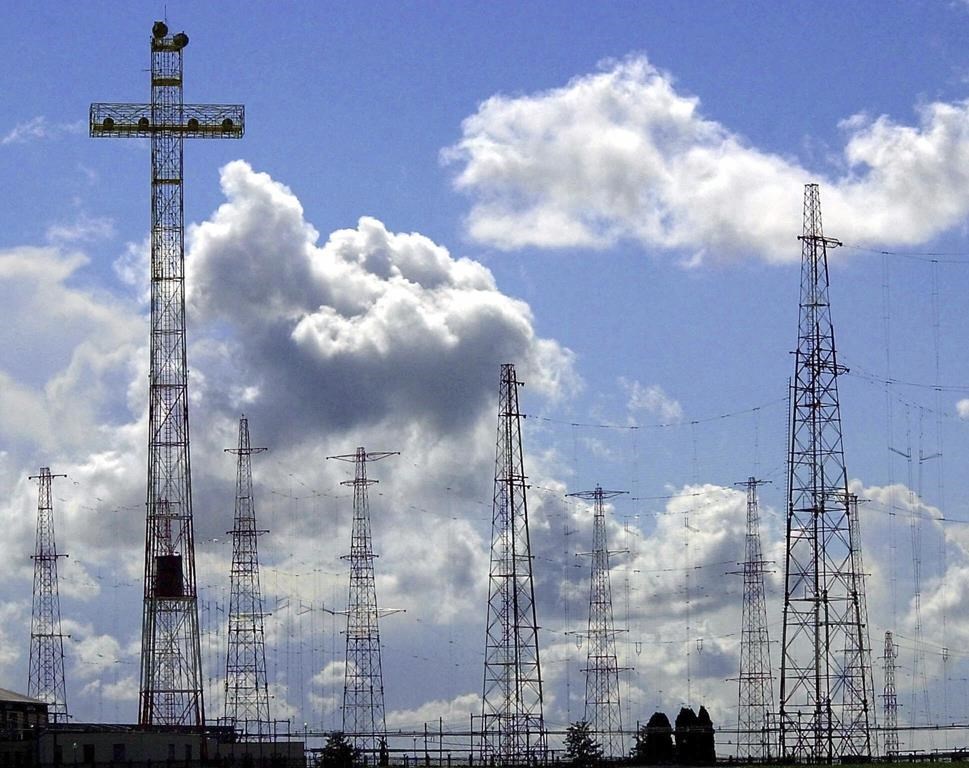
As the once-rural area some 35 kilometers (20 miles) north of the Vatican became more developed, residents began complaining of health problems, including instances of childhood leukemia which they blamed on the electromagnetic waves generated by the towers. The Vatican long insisted there was no causal link.
In the 1990s, residents sued Vatican Radio officials, claiming the emissions exceeded the Italian legal limit, but the court cleared the transmitter. In 2012, the Vatican announced it was cutting in half the hours of transmission from the site, not because of health concerns but because of cost-saving technological advances in internet broadcasting.

In more recent years, the Vatican has sought to offset its overall carbon footprint as ecologically minded popes have made caring for the environment a priority. Under Pope Benedict XVI, the Vatican installed a solar panel roof on its main audience hall and accepted a donated “climate forest” in Hungary to offset its emissions.
Under Pope Francis, who wrote an entire encyclical on the need to care for God’s creation, the Vatican has begun replacing its car fleet with electric vehicles as part of an overarching plan, “Ecological Conversion 2030,” which aims to pursue sustainable, carbon-neutral projects and technologies in the 44-hectare (109-acre) city state.
The Free Press acknowledges the financial support it receives from members of the city’s faith community, which makes our coverage of religion possible.