

Slovakia’s parliament passes legislation that could ban doctors from protesting low pay
Advertisement
Read this article for free:
or
Already have an account? Log in here »
To continue reading, please subscribe:
Monthly Digital Subscription
$0 for the first 4 weeks*
- Enjoy unlimited reading on winnipegfreepress.com
- Read the E-Edition, our digital replica newspaper
- Access News Break, our award-winning app
- Play interactive puzzles
*No charge for 4 weeks then price increases to the regular rate of $19.00 plus GST every four weeks. Offer available to new and qualified returning subscribers only. Cancel any time.
Monthly Digital Subscription
$4.75/week*
- Enjoy unlimited reading on winnipegfreepress.com
- Read the E-Edition, our digital replica newspaper
- Access News Break, our award-winning app
- Play interactive puzzles
*Billed as $19 plus GST every four weeks. Cancel any time.
To continue reading, please subscribe:
Add Free Press access to your Brandon Sun subscription for only an additional
$1 for the first 4 weeks*
*Your next subscription payment will increase by $1.00 and you will be charged $16.99 plus GST for four weeks. After four weeks, your payment will increase to $23.99 plus GST every four weeks.
Read unlimited articles for free today:
or
Already have an account? Log in here »
Hey there, time traveller!
This article was published 11/12/2024 (361 days ago), so information in it may no longer be current.
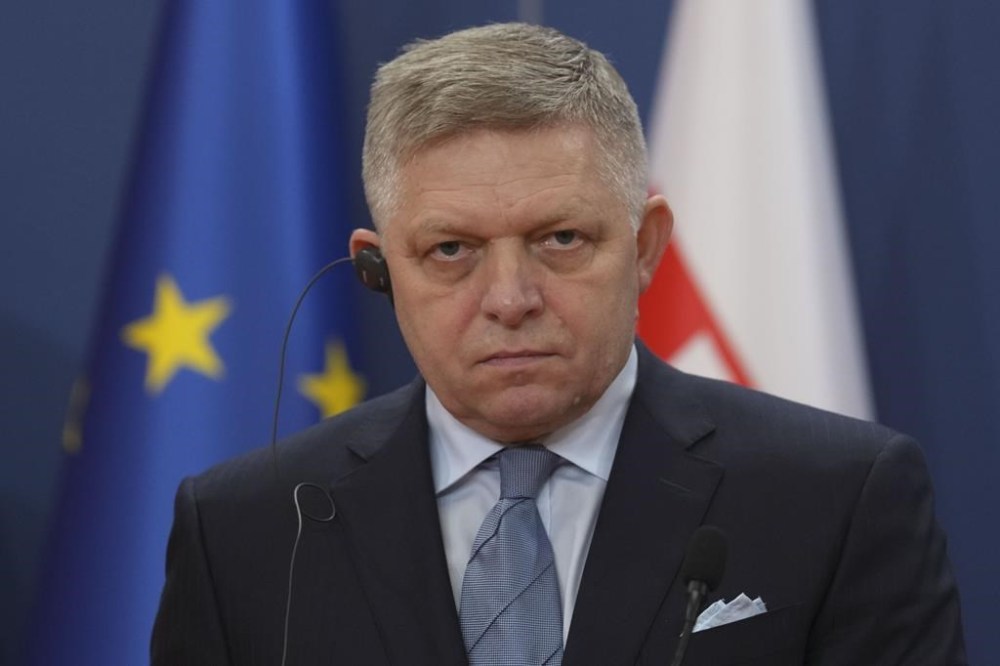
BRATISLAVA, Slovakia (AP) — Slovakia’s parliament on Wednesday approved legislation drafted by the government of populist Prime Minister Robert Fico that could effectively ban doctors from protesting against low pay and force them to continue working.
Lawmakers in the 150-seat National Council voted 74-70 in favor of the law, which came in response to a mass resignation threat by more than 3,000 doctors from the nation’s hospitals, who said they would quit their jobs at the beginning of next year.
The law gives the government the power to declare an emergency in the case health care might not be available. Doctors would be then obliged to work because their notices to leave the job would not be accepted. Refusal to do so could result in imprisonment. The measure is intended to prevent a collapse of the health care system.
The emergency measures can last for up to 120 days.
Health Minister Kamil Šaško said during the parliamentary debate that he hoped that “he’ll never be forced to use the tool,” which is strongly opposed by the labor unions representing the doctors.
The doctors protested that the government had not discussed with them the cuts to a 2022 plan aimed at increasing their salaries in the next two years.
The cuts are part of austerity measures approved by the government to keep the ballooning budget deficit under control.