

Federal health minister non-committal on signing more pharmacare deals
Advertisement
Read this article for free:
or
Already have an account? Log in here »
To continue reading, please subscribe:
Monthly Digital Subscription
$0 for the first 4 weeks*
- Enjoy unlimited reading on winnipegfreepress.com
- Read the E-Edition, our digital replica newspaper
- Access News Break, our award-winning app
- Play interactive puzzles
*No charge for 4 weeks then price increases to the regular rate of $19.00 plus GST every four weeks. Offer available to new and qualified returning subscribers only. Cancel any time.
Monthly Digital Subscription
$4.75/week*
- Enjoy unlimited reading on winnipegfreepress.com
- Read the E-Edition, our digital replica newspaper
- Access News Break, our award-winning app
- Play interactive puzzles
*Billed as $19 plus GST every four weeks. Cancel any time.
To continue reading, please subscribe:
Add Free Press access to your Brandon Sun subscription for only an additional
$1 for the first 4 weeks*
*Your next subscription payment will increase by $1.00 and you will be charged $16.99 plus GST for four weeks. After four weeks, your payment will increase to $23.99 plus GST every four weeks.
Read unlimited articles for free today:
or
Already have an account? Log in here »
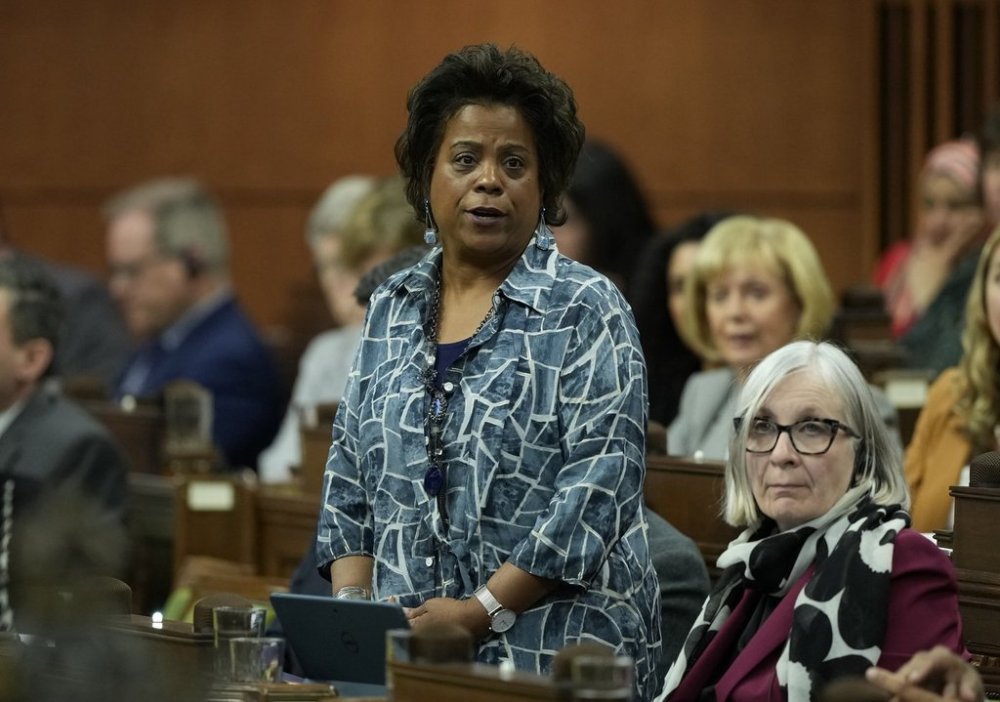
OTTAWA – Federal Health Minister Marjorie Michel is not committing to sign pharmacare funding deals with all provinces and territories.
The first phase of the pharmacare law that was passed by the Trudeau Liberals last fall calls on Ottawa to cover the cost of contraceptives and diabetes medications for patients.
The previous government signed deals with P.E.I., B.C., Manitoba and Yukon to do just that before the spring election.
The Liberals promised during the election campaign to protect the pharmacare program, along with other social programs.
At a press conference in New Brunswick this week, when asked why talks weren’t progressing with the remaining provinces, Michel said that this is a new government in a new context.
A spokesperson for the minister says the government will protect the four deals that have been signed but did not say whether the Liberals plan to sign new agreements.
“Our new government will be there to discuss with our provincial and territorial partners how we can support them for better health outcomes for Canadians,” said Emilie Gauduchon-Campbell in an email.
The Canadian Health Coalition pointed out that $1.5 billion was set aside to fund the agreements in the last federal budget, and the Liberals pledged to keep the program during the election.
“I don’t think anybody voted for cuts to health care, including pharmacare,” said Steven Staples, the group’s national director of policy and advocacy.
The NDP, which pushed for the creation of the pharmacare program through its supply-and-confidence deal with the Trudeau Liberals last year, accused the government of breaking a campaign promise.
“We call on (Prime Minister) Mark Carney immediately to get back on track and honour the law we passed last Parliament,” said NDP interim leader Don Davies in a statement.
“We call on him to finalize Pharmacare agreements with all remaining provinces and territories and allocate the funding Liberals promised so that no Canadian has to choose between life-saving medicine and putting food on the table.”
Michel’s comments were first reported by the Telegraph-Journal, which cited an interview with New Brunswick Premier Susan Holt, who said her government had not heard from Ottawa since the election.
Holt’s provincial Liberals ran in an election campaign last year on a promise to cover the cost of contraceptives. New Brunswick has not signed a pharmacare deal.
Former health minister Mark Holland suggested last winter that he wouldn’t have enough time to negotiate the deals before the election, which most polls at the time predicted the Conservatives would win handily. Holland and the NDP warned that the Conservatives would cut the program.
“”There’s no room for politics in this. It’s just logic. It’s the thing we must do for this country,” Holland said as he announced the first deal with Manitoba, worth $219 million, in late February.
Carney’s government, though, has warned that spending cuts are coming as it refocuses its energy on the economy and national defence.
Premiers at the Council of the Federation meetings this week in Ontario said health care is a priority, but it got only a brief mention in their final statement on Wednesday. The premiers said they’re exploring avenues to improve access to medications but did not mention pharmacare specifically.

At a closing press conference, P.E.I. Premier Rob Lantz, the incoming chair of the Council of the Federation, spoke about the group’s history as “a venue to lobby for more health transfers.”
Manitoba Premier Wab Kinew said the country’s universal health care system is a point of national pride.
“If we want to say that we’re standing up to (U.S. President) Donald Trump and we’re never going to be the 51st state, let’s make sure that our universal health system is strong and supports Canadians in every region of the country. And I think we have a good partner in the prime minister right now to advance that project,” Kinew said.
The premiers told reporters the group did not talk about health care with Carney on Tuesday, when he joined their meetings to talk about the trade war with the U.S.
This report by The Canadian Press was first published July 24, 2025.