

Irish company planning to produce jet fuel in Goldboro, N.S., at former LNG site
Advertisement
Read this article for free:
or
Already have an account? Log in here »
To continue reading, please subscribe:
Monthly Digital Subscription
$0 for the first 4 weeks*
- Enjoy unlimited reading on winnipegfreepress.com
- Read the E-Edition, our digital replica newspaper
- Access News Break, our award-winning app
- Play interactive puzzles
*No charge for 4 weeks then price increases to the regular rate of $19.00 plus GST every four weeks. Offer available to new and qualified returning subscribers only. Cancel any time.
Monthly Digital Subscription
$4.75/week*
- Enjoy unlimited reading on winnipegfreepress.com
- Read the E-Edition, our digital replica newspaper
- Access News Break, our award-winning app
- Play interactive puzzles
*Billed as $19 plus GST every four weeks. Cancel any time.
To continue reading, please subscribe:
Add Free Press access to your Brandon Sun subscription for only an additional
$1 for the first 4 weeks*
*Your next subscription payment will increase by $1.00 and you will be charged $16.99 plus GST for four weeks. After four weeks, your payment will increase to $23.99 plus GST every four weeks.
Read unlimited articles for free today:
or
Already have an account? Log in here »
Hey there, time traveller!
This article was published 13/09/2024 (450 days ago), so information in it may no longer be current.
HALIFAX – An energy firm based in Ireland is planning build a plant in eastern Nova Scotia to produce sustainable aviation fuel using about 700,000 tonnes of wood biomass annually.
Simply Blue Group announced Friday that construction would begin in 2026 with the biofuel project expected to be operating by 2029 in Goldboro, N.S., about 165 kilometres northeast of Halifax.
No financial details were disclosed.
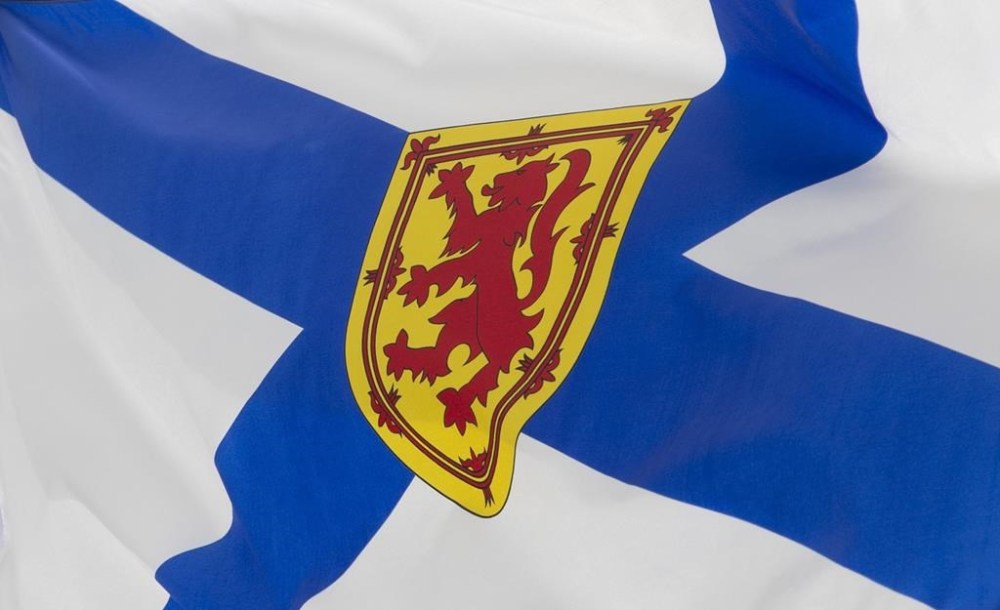
The company says it has secured about 305 hectares of land for development, including 108 hectares previously owned by Calgary-base Pieridae Energy, which had planned to build a $10-billion liquified natural gas export terminal at the site. But the project, proposed in 2012, was shelved in 2021.
Based in Cork, Ireland, Simply Blue Group says its aviation fuel performs as well as conventional jet fuel but reduces greenhouse gas emissions by about 90 per cent.
Simply Blue says that every year its Goldboro project will source about 700,000 tonnes of wood biomass through Wagner Forest NS Ltd. to produce 150,000 tonnes of the fuel. Wood biomass is typically defined as residue from the wood processing industry and material left behind by forest management, but it can also be created by harvesting smaller, less-desirable trees.
Meanwhile, the company also said it will make use of wind and solar power to produce the fuel.
Tory Rushton, the province’s natural resources minister, issued a statement saying the plant could represent a new market for the province’s forestry sector.
“We know many landowners have an abundance of low-grade wood fibre …. so this is another renewable energy project coming to Nova Scotia,” the minister said, adding that the project requires environmental and safety approvals.
“This is a huge economic spinoff that could happen in our province.”
Rushton said the company has not asked for money from the province.
Raymond Plourde, wilderness co-ordinator at the Halifax-based Ecology Action Centre, said in an interview the term “low-grade” biomass doesn’t only refer to the wood chips and sawdust created in sawmills, but it can also include cutting species of trees unwanted by sawmills.
He said 700,000 tonnes of biomass a year is “huge,” and he estimates it represents the “consumptive capacity” of a medium-sized pulp mill.

That means there will be a sizable impact on the environment, he said.
“Large-scale forest biomass harvesting and burning, whether in the form of wood chips and pellets for electricity or in liquid form for so-called biofuels, is not a climate solution,” he said in a followup email.
“Industrial-scale cutting and burning trees releases huge amounts of carbon dioxide directly into the atmosphere and degrades forests and impairs their ability to absorb carbon emissions. So it’s a double whammy of ill effects.”
This report by The Canadian Press was first published Sept. 13, 2024.
— With files from Keith Doucette in Halifax.