


Columns
Columns
Finding your reason to travel
5 minute read Wednesday, Jul. 22, 2026Everyone who travels has their own story about why they are compelled to do so. Here is mine.
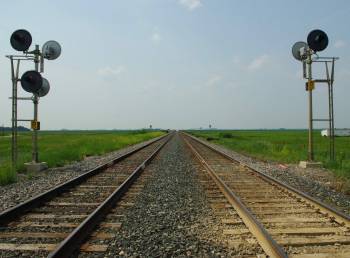
Growing up right beside the railroad tracks in the tiny prairie town of Marquette is what first sparked my curiosity. Passenger trains were the most exciting part of any day! We’d hear the distant whistle, race to a good vantage point, and wait.
I remember feeling the ground rumble as they passed by, and the non-stop blasts of hot air. I’d watch until long after they disappeared on the horizon. Always wondering who those people were that got to ride on passenger trains and where they were going.
My first opportunity to travel came at 13, when my brother Michael promised I could visit him in Thunder Bay, Ont., if I earned good grades. So I did. Three other brothers and my mom drove me through the spectacular Canadian Shield — a dramatic contrast to the flat landscapes that I knew. After a few weeks in Ontario, Micheal put me on a plane to fly home to Winnipeg, and I got to experience my very first flight.
Advertisement
Columns
Looking back on a sporting career
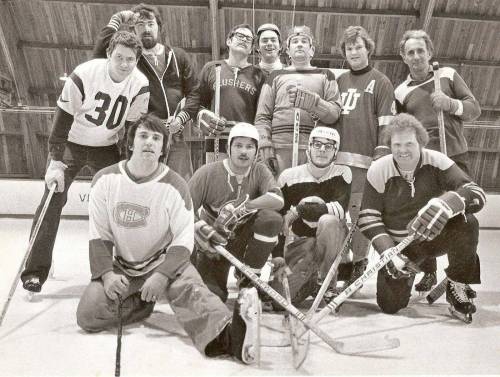
4 minute read Wednesday, Jul. 22, 2026An old adage is that all good things come to an end. For Memories of Sport, this is my final column. Who could have imagined that a freelance column about the history of sport with a focus on Manitoba would survive into its 14th year. It’s been an honour to bring stories about often forgotten events, teams, athletes, and builders to the Free Press Community Review readers every second week.
It’s safe to say that this final column will bring to an end a freelance sports reporting and broadcasting career (for lack of a better word) that began back in the early 1970s. After graduating from the first Creative Communications program at Red River Community College, I accepted a Prairie region public relations position rather than pursue a job in sports journalism that was my initial thought when I enrolled in the program.
Because of my connection to softball, I wrote game reports for the senior A men’s fastball league for both the Free Press and the Tribune. This led to my first freelance assignment when Trib sports editor Jack Matheson recruited me to cover the high school bonspiel that began each year right after Christmas. I remember asking Matty how much space I had and he said as much as I needed. Much different situation than the newspapers of today.
Matty later offered me a fuIl-time job as a sports reporter, but I chose to remain in my public relations position. I continued to cover both curling and softball on a freelance basis for the Tribune until the paper folded on August 1980. At the time, I also was writing a sports trivia column that usually ran weekly. My final column had been filed, but didn’t make it into the final edition.
Columns
So long, and thanks for all the stories
2 minute read Wednesday, Jul. 22, 2026They say that all good things must come to an end. In this case, the old adage has been proven true.
In 2022, the six weekly community papers — The Herald, The Lance, The Times, The Metro, The Sou’Wester, and The Headliner — were consolidated into the Free Press Community Review, with East and West editions published every Wednesday. That was a big change for many readers, plenty of whom still refer to the Community Review as The Herald (which had been publishing since 1917), The Lance (founded in 1931), or The Metro or The Times (both founded in 1973) to this day. For the past four-and-a-half years, we’ve worked hard every week to keep community stories arriving at your door each week, to keep that tradition of community journalism alive.
Last week, it was announced that the Free Press will no longer deliver flyer inserts to the more than 200,000 local households who receive them weekly. As a result, this week will also mark the last editions of the Free Press Community Review to hit your mailboxes.
The decision was made because of seismic changes to the flyer distribution business on not just a local but national level, making the business as it has operated for so long unsustainable.
Columns
Untangle deceit from reality in an AI world
3 minute read Wednesday, Jul. 22, 2026What exactly is it that I’m looking at? This is a question we’re asking ourselves more consistently as AI blurs our sense of reality with deception. AI images are sometimes easy to spot. Other times, it can fool even the keenest observer. So if we no longer know what’s real or not, how do we keep ourselves, and our money, grounded in the real world?
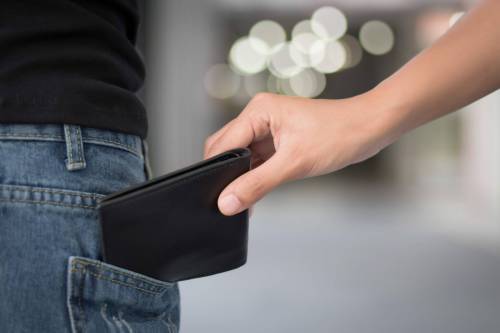
The best safeguard we have is time. Take yours. Don’t spring quickly into action regardless of any urgency pressed upon you. Scammers use danger and emergency to their benefit, getting their victims to throw caution and sometimes, common sense, to the wind. For example, scammers have been successful in using AI to create real-looking videos or phone recordings that mimic a real person. They then send those to that person’s loved one, pretending they are in distress and require money to get themselves out of the situation. Desperate to help their friend or family member, the victim sends the money quickly only for it to go directly into the scammer’s pocket.
Scammers have also used AI to round up personal details about people then use that to create extremely targeted phishing messages. You may think it’s actually your bank calling or emailing because they’re able to rattle off an assortment of facts about you. Unless they have information only your bank would know, hang up, find your bank’s real contact information or call through your app to reach them back.
Some of the usual protections against scam prevention have been reduced due to AI. For example, fraudsters are able to create extremely realistic IDs or paperwork to pretend to be someone you’re not. The old advice was to check credentials of any service provider, but now, it’s harder to know if their paperwork is real or fake. That’s why it’s important to find your service providers yourself, check reviews on independent websites like bbb.org, or follow recommendations from family and friends who’ve worked directly with them before. Refrain from opening links in emails or text messages, and find organizations’ websites yourself. Some scammers are able to imitate trusted providers and put fake links into their communication so that people who think they’re visiting a legitimate website are actually inputting their credit card number into a sophisticated duplicate.
Columns
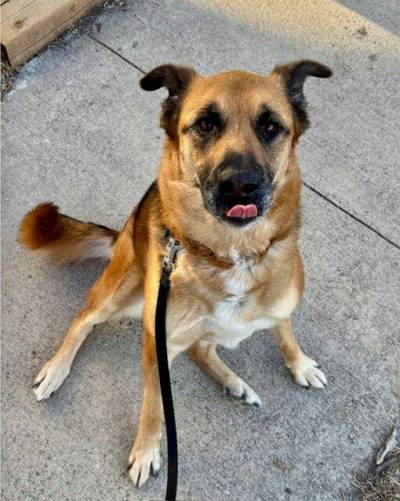
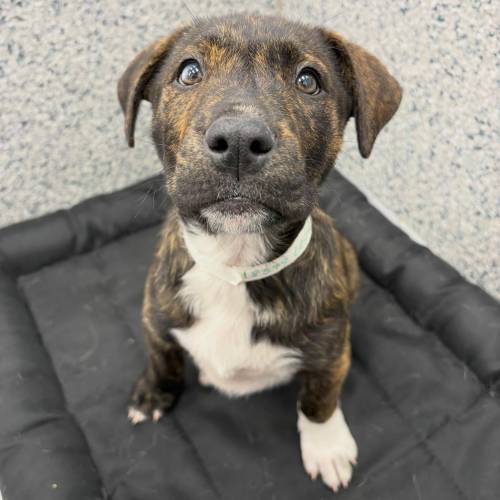
Portia is still looking for a family to call her own
2 minute read Preview Wednesday, Jul. 22, 2026

Columns
Every day is ‘Canada Day’ in Ottawa
3 minute read Wednesday, Jul. 8, 2026Canada celebrated its birthday on July 1, marking 159 years since our Confederation of 1867. While it might be considered a ‘young country’ compared to many, the history of Canada runs deep in our nation’s capital. All the way back to time immemorial.
The region is part of the unceded territory of the Algonquin Anishinaabe Nation, whose communities have lived, travelled, hunted, fished, and cared for these lands for thousands of years as the original stewards of the valley and watershed.
Long before colonization, the Ottawa region was an important place for gathering and trading. In fact, the name ‘Ottawa’ is said to be derived from an Algonquin word that means ‘to trade.’ To the Indigenous peoples of North America, the Ottawa River was one of the most significant travel and trade routes.
Ottawa’s European roots go back to 1826 and the settlement of ‘Bytown,’ established during construction of the Rideau Canal under the direction of Lieutenant Colonel John By. The ambitious plan for a navigable waterway between Lake Ontario and the Ottawa River that would bypass the vulnerable St. Lawrence River was conceived after the War of 1812. The vision was to create a secure military and supply route between Montréal and Kingston.

Columns
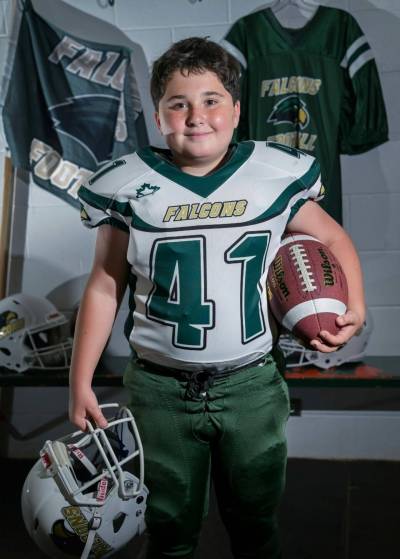
Young Falcons player passionate about football
2 minute read Preview Wednesday, Jul. 1, 2026LOAD MORE COLUMNS ARTICLES