



Encourage your kids to speak up
Advertisement
Hey there, time traveller!
This article was published 30/01/2018 (2986 days ago), so information in it may no longer be current.
I marvel at the freedom our children have now, compared to when I was their age. You’ve heard this refrain from parents before I am sure. There is no fear or trepidation on their part to speak up and challenge a process at home they might not be happy about.
When I was a child, all the way into my teen years, there was this gnawing need in me to challenge processes in place, and I did. This often got me into trouble with my teachers at school.
Of course, children need an environment that supports healthy psychosocial development if they are going to truly experience life in a way that makes sense to them. So, we as parents must adjust how we interact with them based on their personality needs. My mother had a natural knack for doing this and I am so grateful.
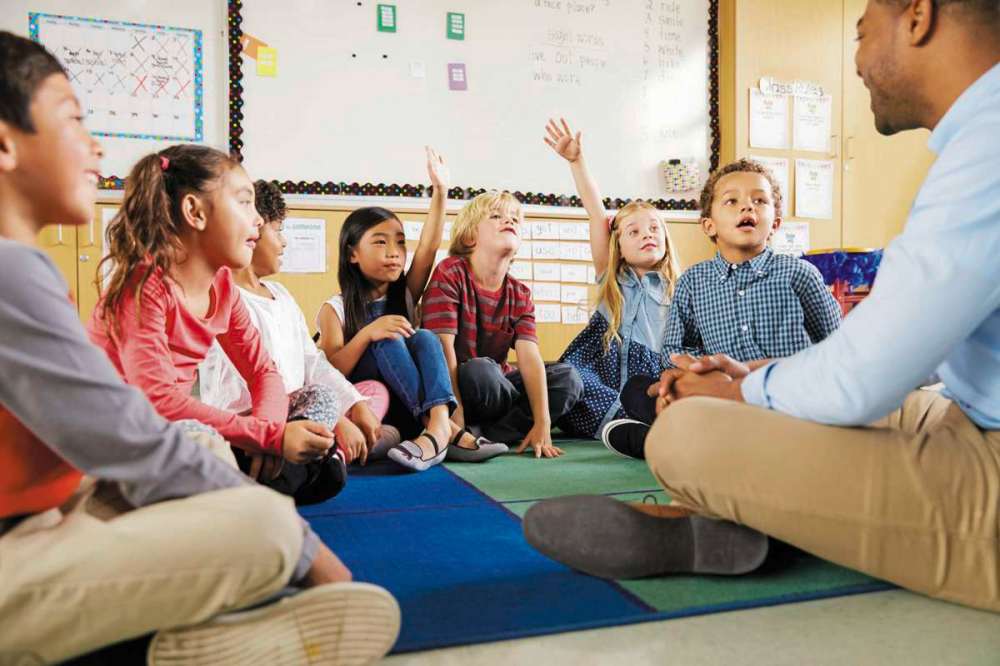
But personality differences are not completely what I am talking about.
I am interested in how our life experiences shape the way we deal with choices, authority and responsibilities. No matter how much you tell someone they are free to speak up should they see the need, some folks will simply not exercise this freedom.
What’s at play here?
Past experiences, mostly. My entire working career has been one that affords me the privilege of working in different cultures. With some folks, I must tread very carefully and gently when challenging them to take a stand.
For many, the thought of having an adult-to-adult conversation with parents or bosses about important topics is paralyzing.
Poor relationship challenges that have dragged from childhood into adulthood stop them from speaking up.
There is a myriad of topics that render some folks virtually helpless at the thought of having to speak up and address them.
I am intrigued by how the control and power that adults wield over their children affects the way those kids relate to authority and bosses. Some peoples are reduced to that child who was told that children are to be seen and not heard. I see this show up at work and in relationships in the form of disengagement.
If you spend more time complaining quietly versus speaking up, could you be stifling your freedom because of fear?
Is your environment at home and work enabling you to exercise your freedom to speak up?
I can only hope all children are fortunate enough to be encouraged to speak up at home and that this serves not only them but all whom they come in contact in their lives.
Phyllis Reid-Jarvis is a dietitian and life coach. Contact her at living@ultimatepotentials.com