



Beware of these extortion scams

Advertisement
Hey there, time traveller!
This article was published 01/03/2021 (1790 days ago), so information in it may no longer be current.
Many people receive unsolicited telephone calls and email messages from people who are unknown to them.
While some of these contacts may have a legitimate purpose, fraudsters also contact people via telephone call, text message or email in an attempt to scam them. In 2020, the most reported type of scam in Manitoba was the ‘extortion scam’, which resulted in a total $1.9 million loss to unsuspecting Manitobans.
In order to prevent falling victim yourself, it is important to know what extortion scams are and what steps you can take to protect yourself and your personal information.
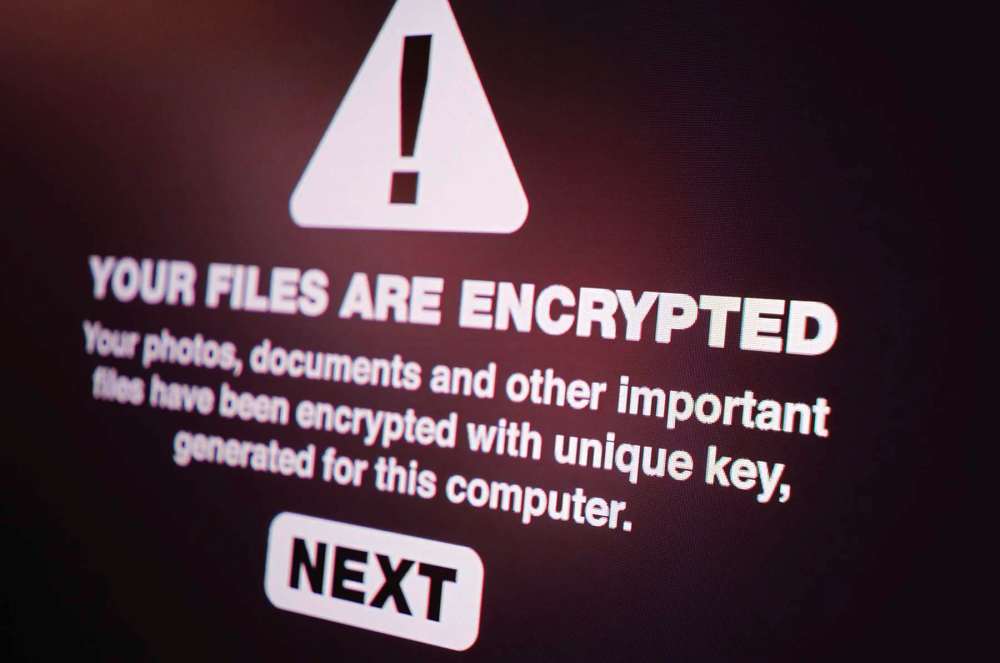
Extortion scams are when fraudsters use coercion, such as threats or scare tactics to obtain money or information from victims.
One of the most popular extortion scams is the Canadian Revenue Agency or police scam.
In this scam, the fraudster contacts you and claims to work for the CRA or a police department. The fraudster tells you that your social insurance number has been compromised, you owe taxes or that you have committed a financial crime. The fraudster will then demand that you send money to cover what is owed.
Another common extortion scam is the explicit video or ransomware scam. A fraudster contacts you and claims that your computer has been hacked. They may tell you that you have been recorded performing an explicit act or that your computer is infected with a virus and all your data will be erased. In each case, the fraudster will demand that you send them money to prevent the explicit video from being shared or your computer data from being deleted.
In all of these scams, the fraudsters demand payment via cash/wire transfer, prepaid gift cards, or Bitcoin.
A few ways to protect yourself from falling victim to an extortion scam are:
• Be wary of phone calls, emails and text messages from people you don’t know. Although they may appear legitimate, fraudsters regularly use technology to falsely represent themselves.
• Keep your computer safe and virus-free – do not open suspicious emails. Delete them immediately.
• Never send money, provide prepaid gift card information or send Bitcoin to people you do not know. Businesses and government agencies do not ask for payment in prepaid gift cards or Bitcoin.
• If something feels suspicious or if you are unsure of something, ask a family member or friend their opinion.
If you have fallen victim to an extortion scam, please make a report with the Winnipeg Police Service and the Canadian Anti-Fraud Centre.
— March is Fraud Prevention Month, so Canstar Community News is running stories from the Winnipeg Police Service which outline common fraud schemes and offer tips on how to avoid them.
Winnipeg Police Service
Fraud Awareness Month
March is Fraud Prevention Month, and the Free Press Community Review is sharing stories from the Winnipeg Police Service on its annual campaign to help you recognize, report and reject fraud.
Our newsroom depends on a growing audience of readers to power our journalism. If you are not a paid reader, please consider becoming a subscriber.
Our newsroom depends on its audience of readers to power our journalism. Thank you for your support.
Winnipeg Police Service
Fraud Awareness Month
March is Fraud Prevention Month, and the Free Press Community Review is sharing stories from the Winnipeg Police Service on its annual campaign to help you recognize, report and reject fraud.
Our newsroom depends on a growing audience of readers to power our journalism. If you are not a paid reader, please consider becoming a subscriber.
Our newsroom depends on its audience of readers to power our journalism. Thank you for your support.
Advertisement Advertise With Us