


A community’s cornerstone

Advertisement
Hey there, time traveller!
This article was published 15/06/2022 (1522 days ago), so information in it may no longer be current.
ST. NORBERT
Judy Williams can still recall waiting in front of the St. Norbert monastery while her father went inside to purchase cheese from the monks. She wasn’t allowed to go in with him — there were rules prohibiting women from entering the site, except on Sunday for mass — but it was a walk she enjoyed joining.
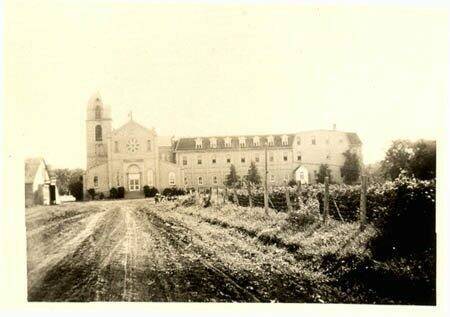
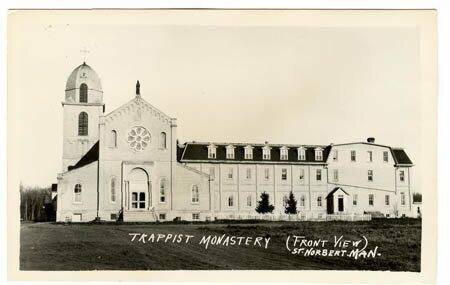
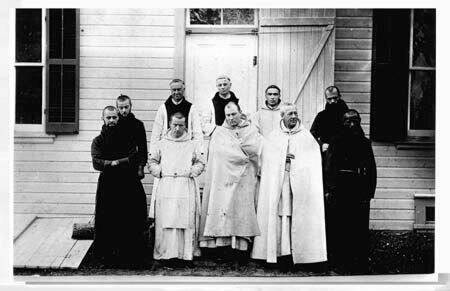
For 85 years, the St. Norbert monastery was home to more than 50 Trappist monks. The land, located near the junction of the Red and La Salle rivers, was formerly a busy centre for hunting, fishing and Indigenous trades. The site evolved by the 1820s into a French-speaking Métis settlement.
“We know we were and are a Métis village, and a lot of that heritage was not passed onto us as residents of St. Norbert,” Williams said, noting its history wasn’t part of her education when she was a child. “Saving the monastery grounds and making it a provincial park was a very important thing for our neighbourhood.”
Twenty years ago, Williams and her family ran the outdoor kitchen at the monastery site. Now, two decades later, she is a director and program chair with the St. Norbert Arts Centre, which is celebrating its 30th anniversary this month.
On June 19, from 2 to 4 p.m. at 100 Rue des Ruines du Monastère, the organization will host an outdoor Father Day’s brunch to mark three decades of serving the community through arts programming. There will be presentations, entertainment, a guided tour and the launch of the newly named Vision of Women Gallery.
“Our building is multi-purpose in a sense, but it’s more about spirit, culture and arts,” said St. Norbert Arts Centre executive director Deborah Giesbrecht. “We offer lots of different programs, festivals, art exhibits and performers. For this past year, we’ve been developing Community Sundays so the community can come out and see live performances.”
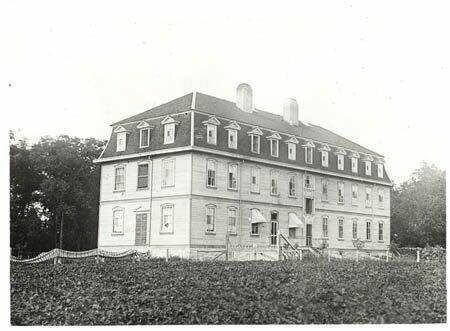
The original St. Norbert monastery was built in 1892 after Father Joseph-Noël Ritchot, the priest of St. Norbert parish, persuaded the abbot of Bellefontaine, France, to establish a home for Trappist monks in St. Norbert. Monks arrived at the site in 1892 and the first monastery building, a three-storey wooden structure on a stone foundation with a chapel, porch and bell tower, was completed shortly after.
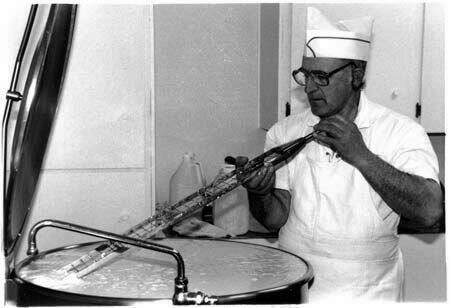
For nearly 86 years, the monks rose at 3:15 a.m., gathered for prayer seven times during the day, devoted several hours to spiritual reading and study and then worked at field, garden and craft duties for the remainder of the day. There was a sawmill, forge, apiary, cheesehouse, bakery and greenhouses. The monks sold meat, dairy products, honey and their famous cheese to the community.
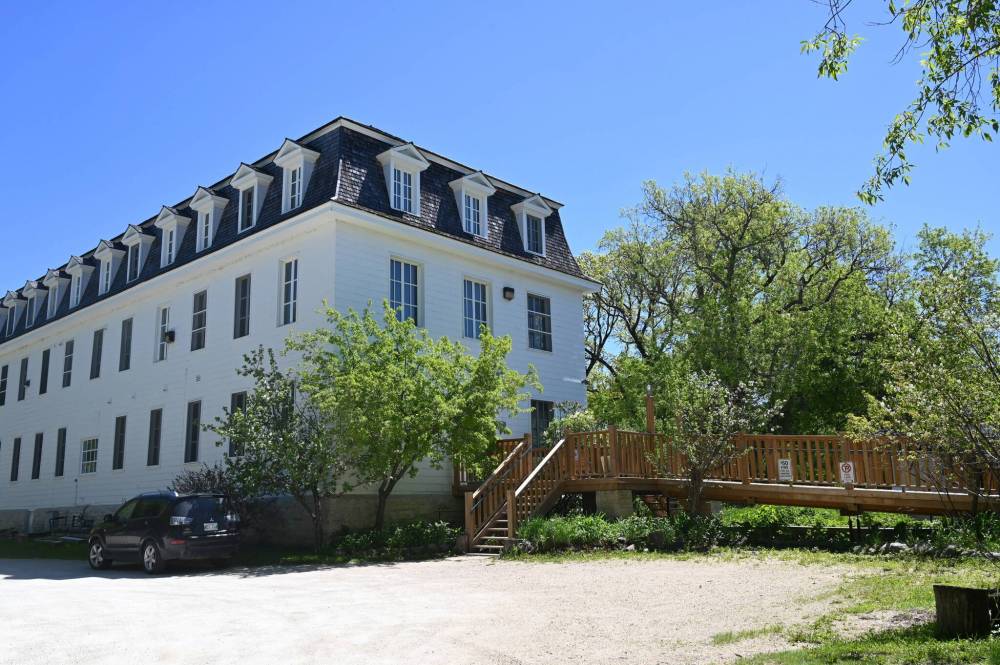
By 1907, a larger nearby monastery was built for the monks and the former site was turned into a guest house. A fire in 1912 destroyed the original house, but it was immediately rebuilt.
As the City of Winnipeg expanded throughout the 1960s and ’70s, the once reclusive site was threatened by urbanization and increased traffic through St. Norbert. The monks ultimately decided to move to Holland, Man. in 1975.
After the monks relocated, a fire once again tore through the site and narrowly destroyed the monastery. A group of local residents hoping to preserve the site emerged from the ashes and, by 1980, they had secured historic building designation for what was left of the monastery. Tragedy struck again in 1983 when vandals lit a fire that gutted the vacant chapel and monastery, but the nearby guest house was left untouched.
In 1988, as a result of the efforts of non-profit organization Heritage St. Norbert Inc., the provincial government designated the guest house and surrounding land as a heritage site. The guest house was partially renovated and the St. Norbert Arts Centre took occupancy in the early 1990s.
St. Norbert Arts Centre founder Louise May watched the monastery go up in flames when she was 19 years old. When residents banded together in the ’80s to preserve the site and create an arts centre, May was part of that group. She was 22 years old at the time.
”There was a lot of drive in my early adulthood to destroy this place I already loved dearly,” May said, noting the ruins were almost torn down to make room for a golf course. “In St. Norbert, the monastery had a real mystique to it because, of course, the monks didn’t speak. It’s the jewel of St. Norbert. When you go there, you just get a feeling. For many people, I’ve witnessed that spiritual connection that goes far beyond what the history is.”
St. Norbert Arts Centre board member and secretary Wendy Bloomfield has lived in St. Norbert for 49 years and calls the monastery the “cornerstone of the community.”
“We like to refer to it as a ‘hidden gem’ because it is off the beaten path,” Bloomfield said.
“You have to know it’s there, and it’s been a bit of a challenge to keep the community knowing who we are, where we are and what we do.”
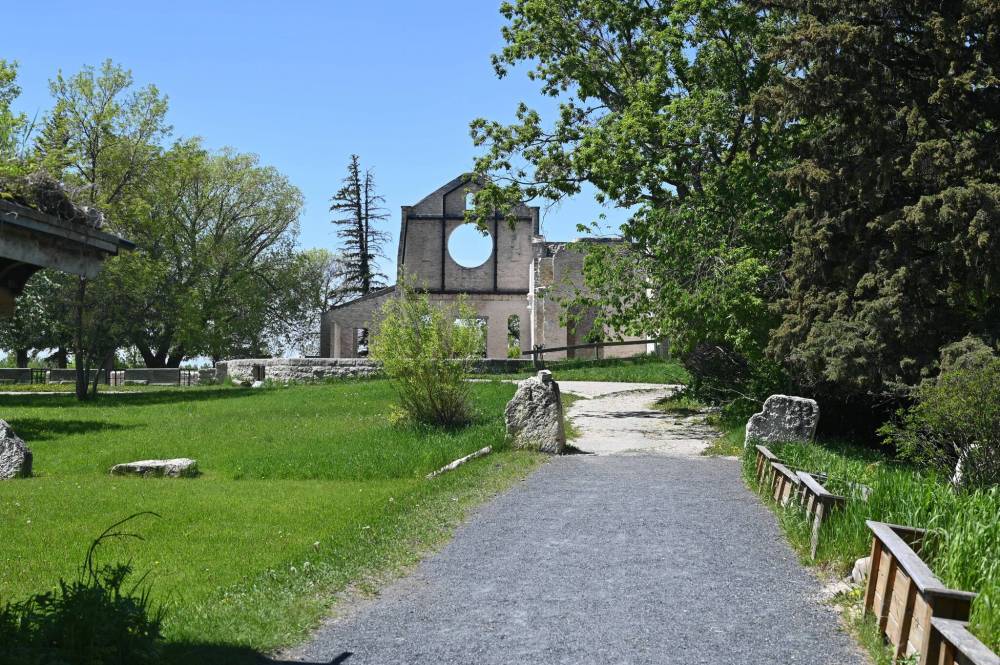
The organization is also trying to keep the monastery’s history alive, Bloomfield added. The outdoor kitchen, occupied by Loaf and Honey this year, will be making the cheese originally sold by the monks.
“It’s a historical site, but it’s also just a beautiful place. It’s so peaceful and serene,” Bloomfield said.
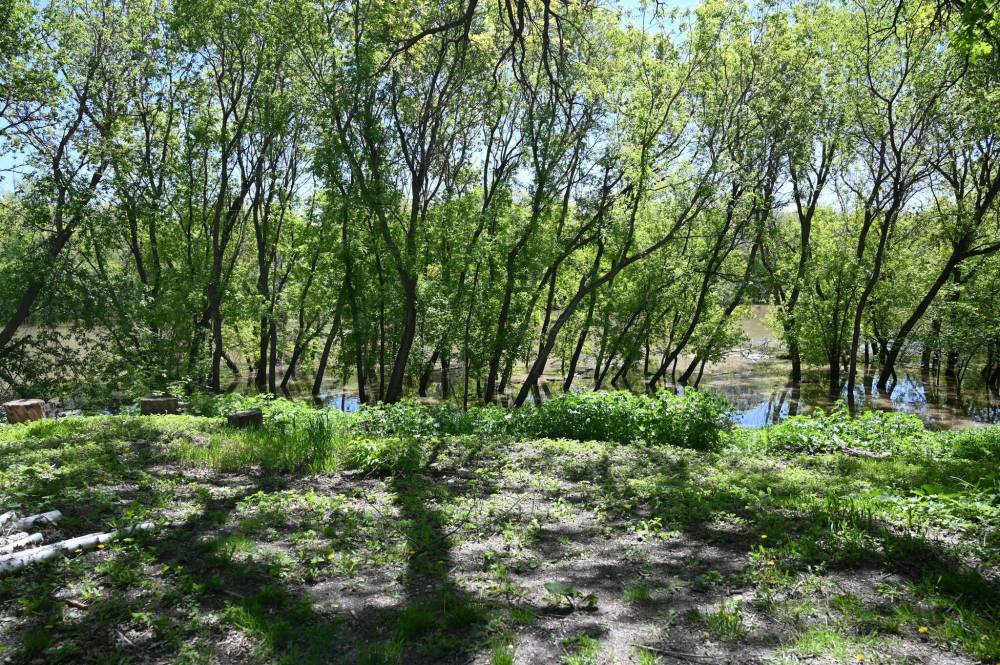
“We also have the spiritual grounds, and so many people gravitate to that to get back in touch with nature. You come out, walk the grounds and just think, ‘This is heaven.’”
For more information about the St. Norbert Arts Centre and the history of the monastery, visit www.snac.mb.ca
Kelsey James
Kelsey James was a reporter/photographer for the Free Press Community Review in 2021 and 2022.
Our newsroom depends on a growing audience of readers to power our journalism. If you are not a paid reader, please consider becoming a subscriber.
Our newsroom depends on its audience of readers to power our journalism. Thank you for your support.
Kelsey James
Kelsey James was a reporter/photographer for the Free Press Community Review in 2021 and 2022.
Our newsroom depends on a growing audience of readers to power our journalism. If you are not a paid reader, please consider becoming a subscriber.
Our newsroom depends on its audience of readers to power our journalism. Thank you for your support.
Advertisement Advertise With Us
Advertisement Advertise With Us