



The folly of fast-fashion consumerism

Advertisement
Hey there, time traveller!
This article was published 21/06/2023 (897 days ago), so information in it may no longer be current.
When I was a teen, my dad started subscribing to the Guardian Weekly magazine, which was mailed out to us from the U.K. Back then, I cared more about bleaching my freckles than global affairs but my, how we change as we age.
The Guardian newspaper’s digital site, found at theguardian.com, is a mix of insightful journalism and engaging cultural and lifestyle articles. The free site has no paywall but it does request donations annoyingly often. It is supported by readers in over 180 countries and has a well-deserved reputation for excellence in journalism. Enviably, the Guardian Media Group is owned by a trust set up to reinvest the profits so the newspaper retains editorial freedom.
Ten minutes browsing on the site, for me, is never enough time…
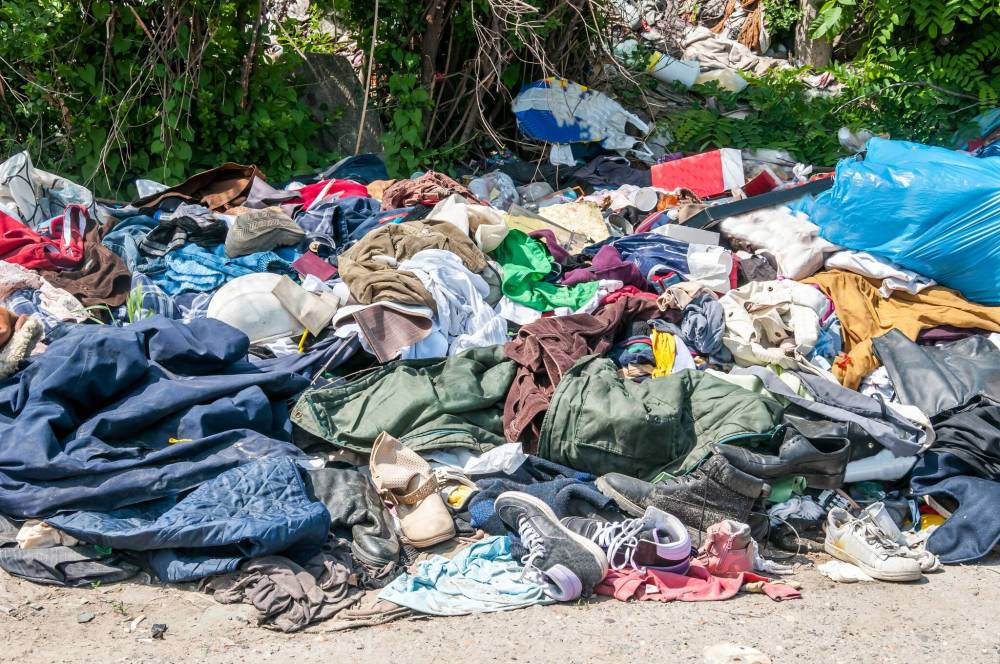
Although The Guardian’s Canadian content is fairly sparse, there are many well-reported and in-depth global stories. Most of us have heard of the evils of fast fashion but the more I read, the more I marvel. Chinese fashion giant Shein launches over 1,000 new garments on its website daily, with just a three-day turnaround from design to finished article. Its (very) limited runs of poorly made cheap garments are gone in less than 60 days unless they prove popular enough to be remanufactured. In 2021, Its shopping app was as popular as Amazon in some of the 150 countries to which it ships its clothes.
I buy all my clothes at thrift stores but even thrifting can’t save us from the environmental costs of our out-of-control consumerism.

Beaches and rivers in Ghana and other African countries are clogged with damaged clothes (which never should have been donated in the first place) that did not sell at thrift stores in the global north and were sold for pennies to exporters who send them by ship to places such as Accra, capital of Ghana and home of Kantamanto used clothing market. Over 30,000 vendors depend on the income they make selling clothes in the market. They buy huge bales, sight unseen, and are dismayed if they find too many torn and stained articles mixed in when they open the bales, as they will make less profit. The fast fashion clothes by Shein and others are almost valueless, too.
Good journalism reports stories like this and illuminates the underlying issues so we understand them better. I’m betting on the left-leaning views of The Guardian online to keep coming up with interesting takes on global inequality and consumerism.
Anne Hawe
West End community correspondent
Anne Hawe is a community correspondent for the West End. She can be reached at anniehawe1@protonmail.com
Our newsroom depends on a growing audience of readers to power our journalism. If you are not a paid reader, please consider becoming a subscriber.
Our newsroom depends on its audience of readers to power our journalism. Thank you for your support.
Anne Hawe
West End community correspondent
Anne Hawe is a community correspondent for the West End. She can be reached at anniehawe1@protonmail.com
Our newsroom depends on a growing audience of readers to power our journalism. If you are not a paid reader, please consider becoming a subscriber.
Our newsroom depends on its audience of readers to power our journalism. Thank you for your support.
Advertisement Advertise With Us
Advertisement Advertise With Us