


City environment must be protected

Advertisement
Hey there, time traveller!
This article was published 27/11/2024 (693 days ago), so information in it may no longer be current.
The city is drafting sweeping changes to Winnipeg’s zoning bylaw in order to obtain federal funding from the federal housing accelerator fund. The changes could eliminate public hearings for most, if not all, housing projects. If the changes are approved, proposals will be worked out between the landowner and city administration – with no input from the public and no decision by city council.
We are told not to worry. All projects must adhere to approved standards for construction, servicing, and design.
The problem is that Winnipeg’s standards are inadequate to protect the environment.
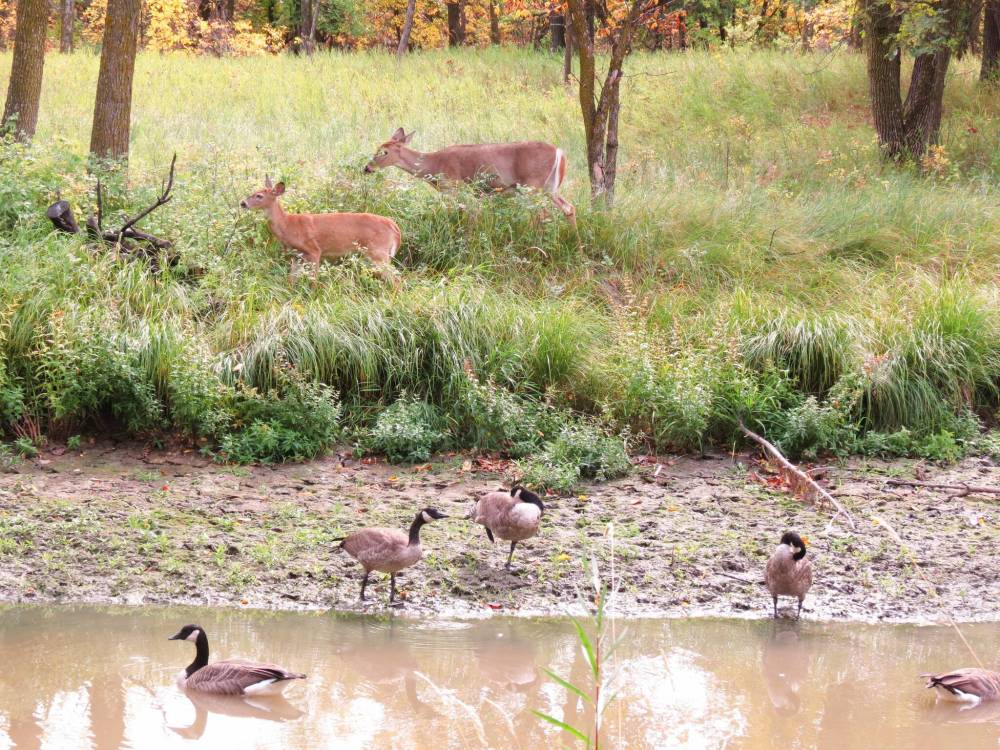
Supplied photo
Minimum setbacks from rivers are needed in Winnipeg’s zoning bylaw.
OurWinnipeg 2045, the city’s 20-year plan for strategic growth and development, calls for a minimum 30-metre setback of buildings from waterways to protect floodplains, riverbanks, wetlands, riparian forests, and natural corridors. The zoning bylaw specifies setbacks from railways, roads, and property lines – but not waterways. The waterways bylaw is not much better at protecting our rivers. An extra permit allows construction in these ecologically-sensitive areas.
OurWinnipeg recognizes the need to conserve the city’s green infrastructure but there is no map or plan overlay for this purpose in the zoning bylaw. We will soon have a new map, showing us where greater density will be allowed, but not where green infrastructure should be conserved.
Zoning is not used to contain urban development in Winnipeg. In fact, legalizing up to four-dwelling units per residential lot city-wide will do the exact opposite. It will increase urban sprawl, the need for vehicles, and demands for services. Zoning should restrict housing density on properties located outside the primary dyke or beyond the city’s water and waste infrastructure.
It was recently reported that North End sewage treatment plant could reach full capacity within five years. About one-third of the city has combined sewers, which leads to massive sewage overflows into our rivers. Increasing housing density in these areas will make these problems even worse.
Winnipeg’s current zoning bylaw does not include green building standards to lessen the environmental impacts of infill housing. Infill projects that cause an increase in runoff do not require green roofs, rain gardens, or permeable pavement to lessen their impact. Buildings on migration corridors do not require design features to minimize bird strikes.
A zoning bylaw that facilitates city-wide increases in housing units per property without strengthening environmental standards is not consistent with OurWinnipeg. It is a gift to developers. It will increase property value without any compensation to the public.
Who will pay the price? Taxpayers and the environment.
Michele Kading
St. Vital community correspondent
Michele Kading is a community correspondent for St. Vital. She is also the executive director of the Association of Manitoba Museums.
Our newsroom depends on a growing audience of readers to power our journalism. If you are not a paid reader, please consider becoming a subscriber.
Our newsroom depends on its audience of readers to power our journalism. Thank you for your support.
Michele Kading
St. Vital community correspondent
Michele Kading is a community correspondent for St. Vital. She is also the executive director of the Association of Manitoba Museums.
Our newsroom depends on a growing audience of readers to power our journalism. If you are not a paid reader, please consider becoming a subscriber.
Our newsroom depends on its audience of readers to power our journalism. Thank you for your support.
Advertisement Advertise With Us