


Dentists develop reconciliation action plan

Advertisement
Hey there, time traveller!
This article was published 23/04/2025 (471 days ago), so information in it may no longer be current.
Designing and enacting an action plan for truth and reconciliation is a painstaking process, but the Manitoba Dental Association and its community partners are committed to doing so.
The MDA and Indigenous organizations have been collaborating for two years on this initiative. Dr. Alan Grant chairs the MDA task force on the issue. His great-grandmother hailed from Sagkeeng First Nation and he also has Métis ancestry. He said he is also motivated by the late Dr. Murray Sinclair, a former judge, senator and head of the Truth and Reconciliation commission, whom he met several times.
Grant said the task force has developed its goals, vision statement and guiding principles. It has focused on the Truth and Reconciliation Commission’s calls to action 22-24, and the United Nations Declaration of the Rights of Indigenous Peoples, articles 21, 23 and 24. They address issues such as better access to culturally appropriate health care, improved training on Indigenous health issues, and increasing the number of Indigenous health-care professionals.
File photo
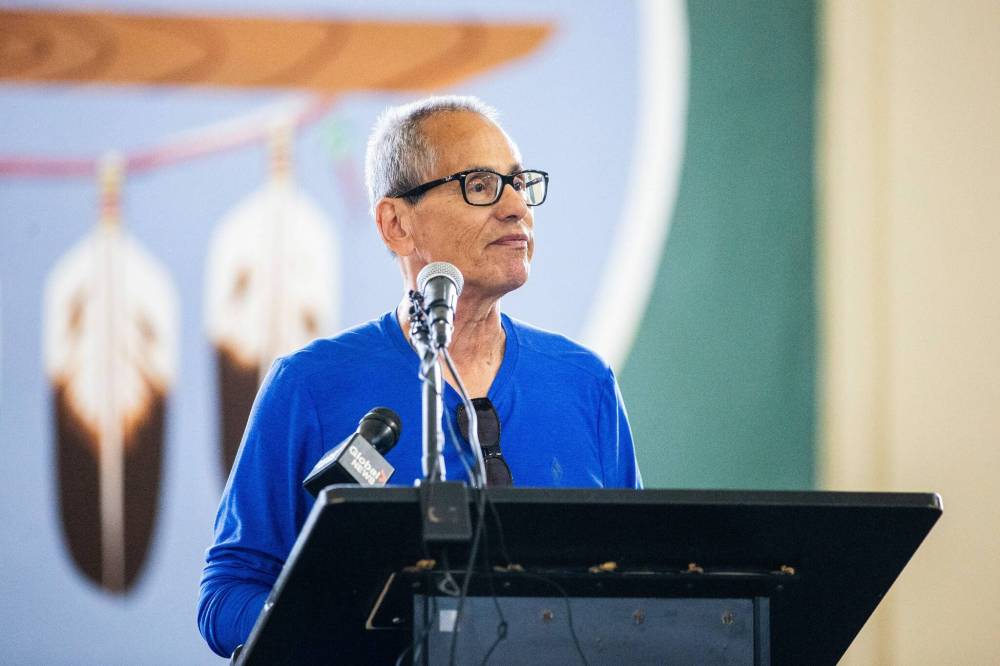
Damon Johnston is president and CEO of the Aboriginal Council of Winnipeg and said he is pleased to see the MDA working toward a better future.
“It’s been slow and steady so far,” Grant said. “We want to make the process as open as possible and hear the perspectives of all who are interested in furthering this agenda and resetting some of the injustices that have happened.”
Both Grant and Damon Johnston, president and CEO of the Aboriginal Council of Winnipeg, said the process must include learning from the past. Johnston explained that begins with understanding the truth, which is different for everybody. Listen to everyone, and then determine facts through independent research and frank conversations.
Johnston is also encouraged so far; to see people seeking a better tomorrow as society struggles with many is a good sign, and complex problems aren’t solved quickly. He credited the MDA for its investment of time, the commitment of its executive and many members, and its acknowledgement of the importance of cultural and spiritual factors.
“You can’t dwell on the past; you have to try and create a better future,” Johnston said. “I sense that the MDA is committed to working with us to produce a good plan and to ensure that plan is carried out.”
One key issue is ensuring all Indigenous people have access to proper dental care, which has many components. How can access to dental care be improved in remote communities? How can more students from Indigenous communities be recruited to the field? What can the dental profession do to be more welcoming to people who may have had negative experiences with the health-care system?
Grant credited the University of Manitoba with encouraging students to return to practice in Indigenous communities. This includes cultural and social awareness training.
Manitoba Dental Association
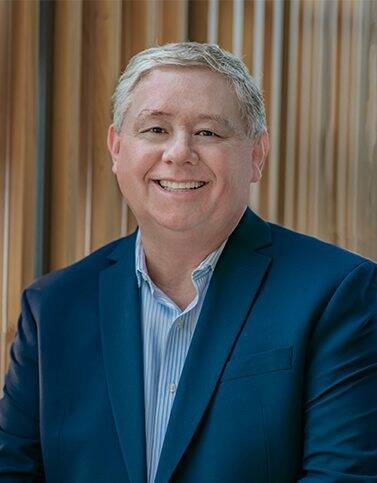
Dr. Alan Grant chairs the MDA task force on truth and reconciliation.
Johnston said this must include increasing awareness of the historical trauma between Indigenous people and the dental profession and acknowledging the different walks of status people who are First Nations, non-status First Nations, Métis and Inuit. Many won’t visit a dentist because they don’t trust the profession. That contributes to poor dental health, which affects self-esteem, overall health and even nutrition, if chewing becomes difficult.
“We’ve got to recognize the different groups of Indigenous people, we have to talk to them about their issues related to dentists to identify those barriers,” Johnston said.
“What’s the group willing to do to get their organization to a better place, to do it with us not for us? That’s the critical part.”
Tony Zerucha
East Kildonan community correspondent
Tony Zerucha is a community correspondent for East Kildonan. Email him at tzerucha@gmail.com
Our newsroom depends on a growing audience of readers to power our journalism. If you are not a paid reader, please consider becoming a subscriber.
Our newsroom depends on its audience of readers to power our journalism. Thank you for your support.
Tony Zerucha
East Kildonan community correspondent
Tony Zerucha is a community correspondent for East Kildonan. Email him at tzerucha@gmail.com
Our newsroom depends on a growing audience of readers to power our journalism. If you are not a paid reader, please consider becoming a subscriber.
Our newsroom depends on its audience of readers to power our journalism. Thank you for your support.
Advertisement Advertise With Us
Advertisement Advertise With Us