


Pulling scam survivors out of the storm

Advertisement
We live in a world full of information, but often we’re left feeling like we have none.
We search for our exact problems online and get conflicting advice, information from unreliable sources, and advertisements for things that aren’t relevant. Sometimes it’s impossible to know what’s true, what’s applicable and what we should do. While good information exists, it doesn’t always apply to everyone. That’s why it’s important to turn to experts who can break down problems more personally before suggesting solutions.
The same is true for those who’ve fallen victims to scams. It’s an isolating feeling, full of shame and guilt that can be overwhelming. Turning to others for advice is a struggle in itself. That’s why the BBB Institute for Marketplace Trust has created an online tool – the Scam Survivor Toolkit – which guides users through a series of questions, then provides more customized resources from experts. These range from mental health supports to know-hows on locking and freezing compromised accounts.
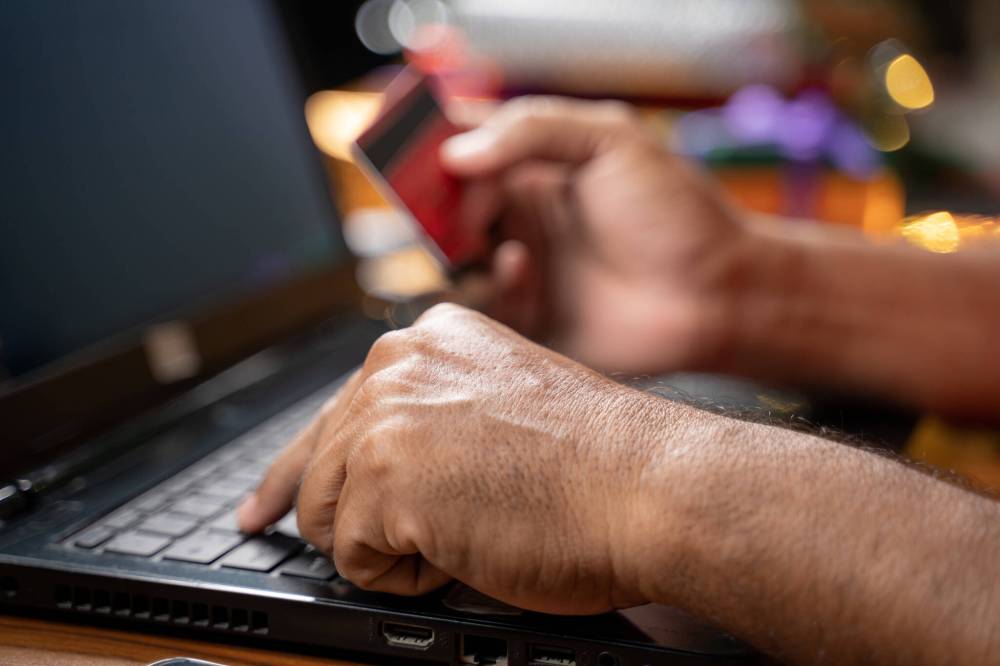
Adobe Stock photo
The Better Business Bureau’s Institute for Marketplace Trust has created the Scam Survivor Toolkit to help the victims of unfortunate scams deal with the difficulties they may face.
When someone is reeling from the heavy feelings that accompany loss through scams, it’s difficult to think straight. For many, this will be their first time going through a situation such as this, and they’ll have no experience to help them navigate. It’s not taught in schools and it’s something people hesitate to talk about openly. Thus, finding resources or knowing what to do is challenging.
The first steps scam victims often need to take is to minimize the impact. Through following the Scam Survival Toolkit prompts, they can discover how exactly how to do this in their situation. They then can learn what steps they can take to recover. Again, this varies depending on their situation but ranges in actions from avoiding public Wi-Fi to putting an alert on their file with the credit reporting agencies.
The guide gives further resources for victims to reach out to suitable agencies for more support. This is all compiled in one, easy-to-navigate place with trusted links and advice from experts. It’s a one-stop shop that victims don’t have to question when they’re already questioning it all.
With scams becoming more and more prevalent, it’s more important than ever to know where to turn. No one is exempt from falling victim, and victims come from all walks of life with all kinds of life and educational experiences.
One victim wrote: “I’ve worked in financial services my entire career and it’s embarrassing that I allowed myself to be scammed like this. I should have known that usually when something sounds too good to be true, it is a scam. No one should feel any shame about being scammed. These are professional people who know how to scam almost anyone.”
If you or a loved one has been scammed, you can find the Scam Survivor Toolkit here. With so much information swirling around us, it’s an anchor pulling victims out of the storm.
Better Business Bureau
BBB helps people find and recommend businesses, brands and charities they can trust.
Our newsroom depends on a growing audience of readers to power our journalism. If you are not a paid reader, please consider becoming a subscriber.
Our newsroom depends on its audience of readers to power our journalism. Thank you for your support.
Better Business Bureau
BBB helps people find and recommend businesses, brands and charities they can trust.
Our newsroom depends on a growing audience of readers to power our journalism. If you are not a paid reader, please consider becoming a subscriber.
Our newsroom depends on its audience of readers to power our journalism. Thank you for your support.
Advertisement Advertise With Us
Advertisement Advertise With Us