


Take your time – or hang up before it’s too late

Advertisement
It’s baffling. That’s how victims describe the experience of falling prey to scammers, along with more serious adjectives, such as “heartbreaking,” “devastating,” and “nightmarish.”
Scammers are becoming more sophisticated, they’re picking victims like dandelions in a Manitoba field and no one is immune. They’re tapping into everyday routines and customs to get people’s private information and financial details, draining their bank accounts before they can blink.
Think about the last time you were on the phone with a service provider, whether it was your bank, your electricity company, or your municipal waste and water utility. They may have asked you a few questions to verify your identity. They may have even sent you a text or email and asked you to repeat back a code. This has become more and more common as legitimate companies try to protect themselves and their customers against fraud.
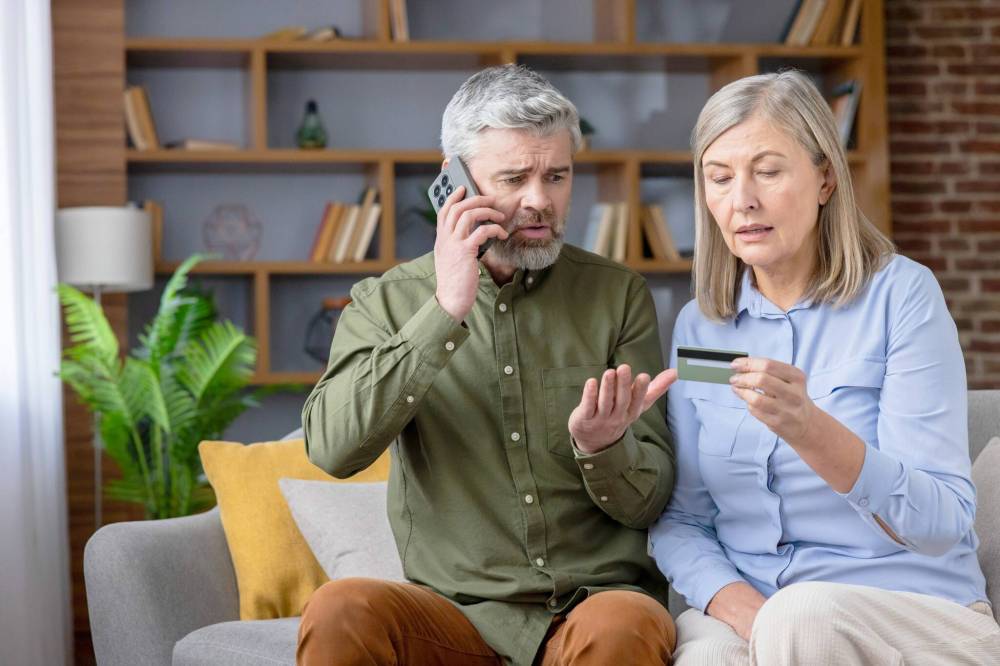
Adobe Stock photo
Fraudsters and telephone scammers are increasingly more sophisticated, so if you’re unsure about sharing personal information on the phone — don’t.
Now, imagine thinking you’re on the phone with your bank and they ask you repeat a code. That code could be the two-factor authentication you’ve set up for access to your bank account and it could be the last thing a scammer needs to get through the protections you’ve set up. Now, all bets are off and they’re funneling your money away faster than you can hang up the phone.
This is why it’s so important to hang up the phone before you get to this point in a conversation you’re not certain about. All niceties and pleasantries can be thrown out the window in the name of safety and security. Don’t feel pressured to stay on the line because – whether you made the call or they called you – you may be dealing with a scammer.
If they called you, it’s more likely that the call is indeed a fraud. Hang up the phone, find the verified number for your service provider and ask them if tried to call you. You can often call right through the mobile app of your bank. If you started the process by calling what you think is one of your service providers, make sure you have the correct phone number.
Scammers post all kinds of fake numbers online, posing as legitimate businesses so they can ask you for your personal information to “authenticate’ you when you call, but it’s all just a ploy to get those details they can use to hack into your account.
You can find legitimate business phone numbers on bbb.org, through the organization’s app or secure website, or on physical documents they have sent you. You’ll know a website is secure by the “s” at the end of “https”. Be sure the url (its web address) is the business’s real url and not one letter off.
Any time you are asked to provide personal details, take a moment to think. You do not have to provide them at that very moment. You can ask for time or even hang up and call back if you’re unsure. Scammers will often try to pressure you to stay on the line – and that’s another red flag that who you’re dealing with is not who you think they are.
In a world that moves fast, take time to slow down whenever you are dealing with your personal details.
It might just save you from heartbreak, devastation and feeling absolutely baffled.
Better Business Bureau
BBB helps people find and recommend businesses, brands and charities they can trust.
Our newsroom depends on a growing audience of readers to power our journalism. If you are not a paid reader, please consider becoming a subscriber.
Our newsroom depends on its audience of readers to power our journalism. Thank you for your support.
Better Business Bureau
BBB helps people find and recommend businesses, brands and charities they can trust.
Our newsroom depends on a growing audience of readers to power our journalism. If you are not a paid reader, please consider becoming a subscriber.
Our newsroom depends on its audience of readers to power our journalism. Thank you for your support.
Advertisement Advertise With Us
Advertisement Advertise With Us