



Ornamental grasses offer low-maintenance option
Advertisement
Hey there, time traveller!
This article was published 13/07/2011 (5395 days ago), so information in it may no longer be current.
Rugged and dependable these plants add fine texture to the summer garden, and interest to the winter garden. Like the prairie itself, they come in a range of understated blues, reds, golds, and have a knack of playing in the breeze while easily withstanding the strongest wind.
Although many are native prairie plants, they are the new kids on the block. And they are in demand.
Ornamental grasses are the core of contemporary gardens, but easily slip into existing flower gardens. They’re a great choice for xeriscapes (water-conserving landscapes) and dryland gardens, yet will just as happily settle into a pot as thrillers or fillers.
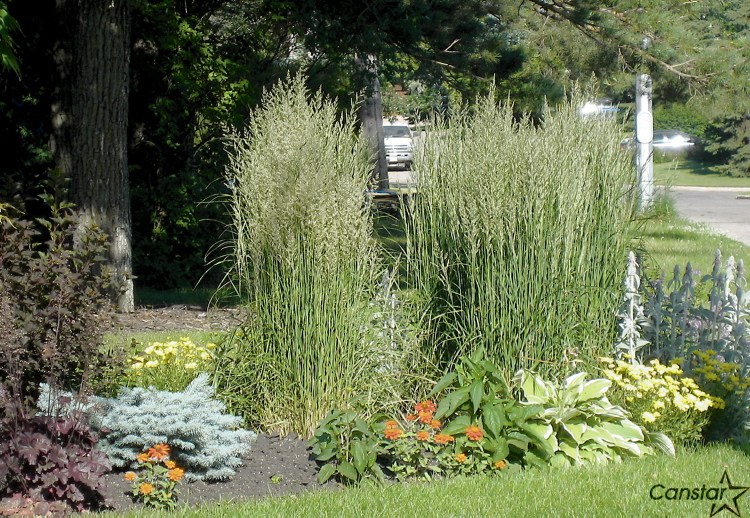
Most prefer full sun and medium to dry soil, although some will withstand partial shade and moist conditions. Other than meeting their sun and moisture requirements, the only thing they ask, is a yearly haircut for the perennial grasses, and replacement for the annuals. But leave this til spring so you can enjoy their extravagant seed heads over the winter.
My hands down favourite is Karl Foerster feather reed grass. At a height of about one-and-a-half meters, it spends the summer standing stiffly upright as if guarding the garden. Late summer, it relaxes a bit when it sends out magnificent pinkish seed heads which turn a lovely gold by fall.
Big bluestem — the grass of the prairie — is the tallest of the native prairie grasses at nearly two meters. It turns a bronze gold in the fall when it sports its classic turkey foot seed head.
Moor grass is the life of the party. At a height of about three-quarters of a meter, it throws out its leaves in a fountain-like spray that catches and dances with every passing breeze. By late summer it tosses its seeds up in a careless disarray which just adds to the festivities.
All musicians should have blue gamma grass in their gardens. It is one of the smaller grasses, at about one-third meter high. If you could see a staccato, it would look exactly like the blue gamma seed heads.
The one we all want to grow is fountain grass. Tall, purple, with seeds heads like wands, it’s best grown in a container as an annual. Another great choice for containers is fiber optic grass. Keep it up close so you can enjoy its tiny knobby seed heads.
With the exception of ribbon grass, you can’t go wrong with ornamental grasses.
Carla Keast has a Master’s degree in Landscape Architecture and is a Winnipeg-based freelance landscape designer. She can be reached at contact@carlakeast.com