



Flat feet don’t have to stay that way
Advertisement
Hey there, time traveller!
This article was published 22/10/2013 (4535 days ago), so information in it may no longer be current.
Most adults have some space under the inner arches of their feet when they stand.
However, according to Wheeless’ Textbook of Orthopaedics, approximately 20% of adults have flat feet, meaning that the entire sole of the foot touches the floor when standing.
A quick review of well-known medical databases will indicate that flat feet, also called pes planus, is generally a painless, harmless condition. Common causes include weak arch, injury, family history, arthritis, diabetes and aging.
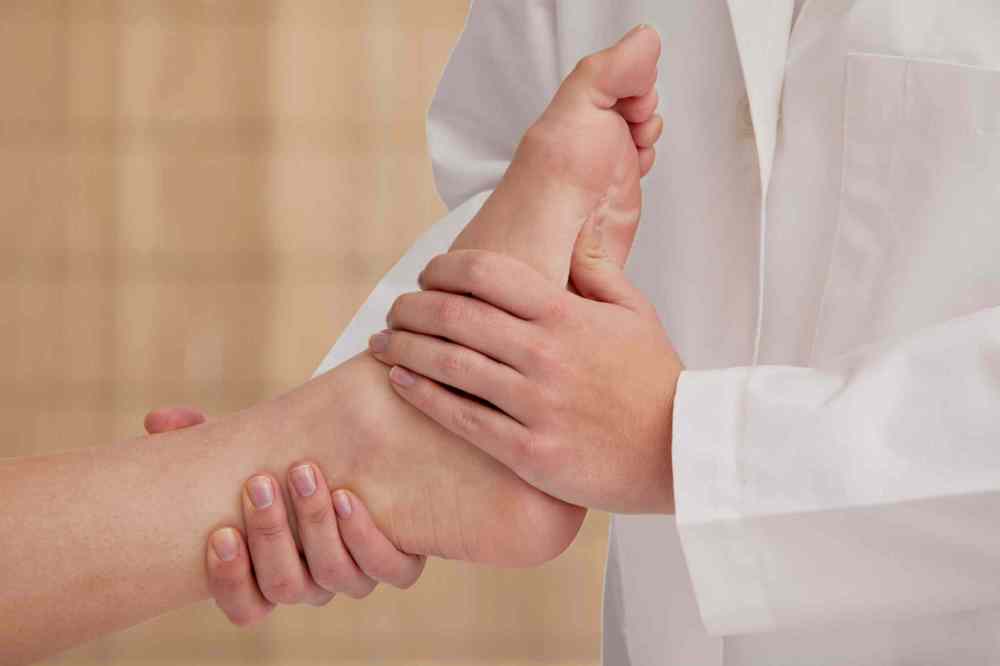
In the context of fitness, it is dangerous to view pes planus as harmless and painless. In the gym, we see this condition a lot, often in overweight or sedentary individuals. More recently, researchers have found links between obesity and fallen arches, so much so that the Mayo clinic recommends weight loss as a home remedy for flat feet.
When we see flat feet in the gym, we often notice it as part of a dysfunctional movement pattern, related to jumping, squatting or hip hinging movements. The condition is often accompanied by muscle tightness and weakness, which often presents as ankle, knee, hip or back pain.
Flat feet are most commonly treated using orthotics in footwear. When done well, this can certainly treat the symptoms of this condition, since adult onset pes planus is commonly due to weak arches and the orthotics provide support for those arches. The problem, of course, is that providing an external support for the arches will never allow the foot and ankle musculature to naturally strengthen and relearn to create an arch on its own. We are simply letting the orthotics do the work for us.
We know that strengthening the ligaments and muscles of the foot via specific foot exercises or barefoot walking can be beneficial, as can identifying other contributing factors, such as tight calf muscles or achilles tendons.
My job as a trainer then becomes: how can I help this person make their entire body healthier and stronger, starting from the ground up? Clearly the foot, like any other part of the body, can be strengthened. This is made quite evident when looking at the healthy arches of barefoot walkers and runners as well as athletes who practise their sport without footwear, such as gymnasts and yogis.
Feet love walks, rubs, movement and attention. Strengthening and stretching the foot and lower leg muscles with exercises such as toe lifts, ankle circles, calf stretches and letting your feet breath in their natural shoeless state can work wonders. Your body reflects the health of your feet, and happy, healthy feet result in a happy, healthy body.
Treat your feet well and your body will appreciate you.