


What fitness enthusiasts can learn from parkour
Advertisement
Hey there, time traveller!
This article was published 05/11/2013 (4588 days ago), so information in it may no longer be current.
This summer I had the opportunity to attend a functional movement conference called “Masters of Movement.”
The event was organized by Agatsu, and I affectionately refer to the week as “superhero camp.” For a fitness enthusiast, it was a dream come true. The organizers gathered some of the best coaches in a variety of disciplines — kettlebells, olympic weightlifting, running, gymnastics, circus, and Parkour. Perhaps most fascinating was the uncanny ability of each coach to contribute to the development of each student, regardless of their specialized skill set.
Out of all the training methods we tried, Parkour was the scariest, and in some ways, the most fun and the most empowering.
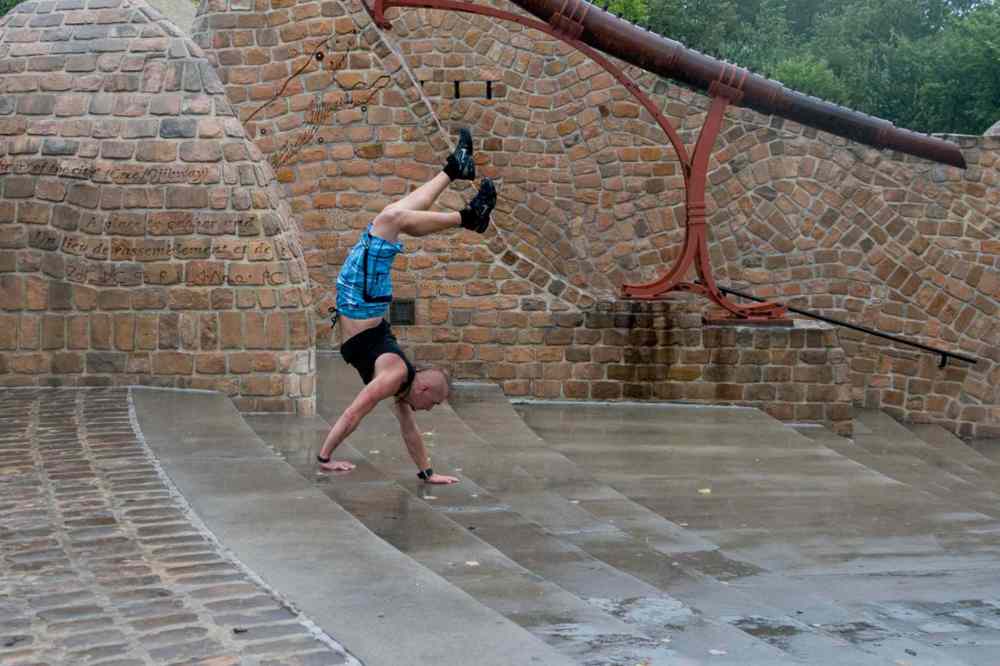
For those unfamiliar with the sport — or rather, the art — of Parkour, it involves moving efficiently and gracefully to overcome obstacles, most often in an urban setting. It might include running, jumping, rolling, vaulting and climbing.
The word “Parkour” itself originates from the French word “parcours” which means “path or trajectory.” The World Freerunning & Parkour Federation defines the discipline as “the act of moving from point “a” to point “b” using the obstacles in your path to increase your efficiency.”
Most of us catch mere glimpses of freerunning in online videos, and mistakenly think it is all about the acrobatics and the tricks, but if there is one quality of freerunning that can be applied to virtually any discipline, whether it be physical or just day-to-day life, it is this idea of virtuosity, doing common things uncommonly well. It is not uncommon to see Parkour practitioners practise a single jump thousands of times on the sidewalk before trying the same jump on a wall or a building.
Parkour practitioners describe their discipline as more than just physical training, but also a way of life. In his book Parkours and the Art du Déplacement, Vincent Thibault speaks of the main tenets of Parkour, including mindfulness, compassion, courage, and social and environmental consciousness, along with humour and wisdom.
He also speaks of finding magic in everyday life, facing fears and redefining freedom, in particular “the freedom that comes from knowing that you are worthy and capable.” This, in my experience as a trainer, is the definition of empowerment as it applies to physical culture.