



The dirt on composting
Advertisement
Hey there, time traveller!
This article was published 29/04/2015 (3932 days ago), so information in it may no longer be current.
In last week’s column, I mentioned that while it’s a bit early for glamorous gardening activities like planting, there are lots of not-so-glamorous gardening activities we can be doing instead.
Like composting. Now there’s a not-so-glamorous task. The perks though? Plenty!
Adding compost to the soil is the single best way of improving it. Healthy soil makes for healthy plants, which makes for happy gardeners. Think of it as the soil-gardener happiness chain.
Composting is practically free. Budget for the price of the bin and occasional watering perhaps. Making your own compost is probably the one exception to the ‘get what you pay for’ maxim. Compost is the best soil amendment available and costs next to nothing.
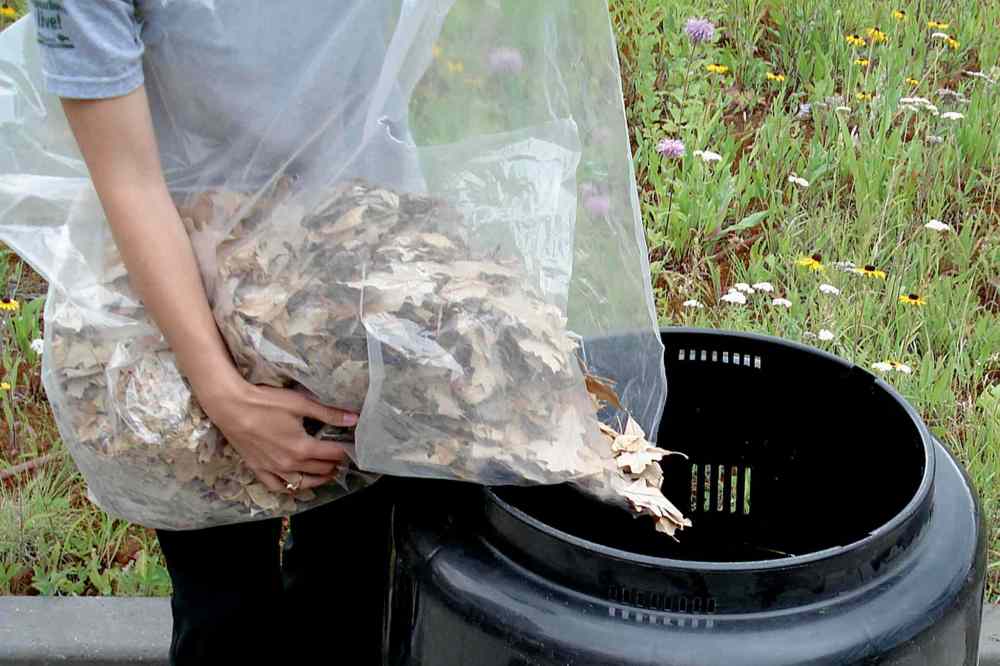
Making compost uses up most of our organic kitchen waste and much (ideally all) of our fall leaf-drop. An estimated 40 percent of household waste is organic, and is perfect for composting. That’s nearly half of our household waste. Composting those organics doubles the life of our landfills, which means we double the amount time before we foot the bill for establishing a new landfill. Diverting these organics from the landfill is significant.
Organics decompose. Doesn’t matter where they end up, organics decompose. What does matter is where they decompose. In the landfill, decomposing organics produce the greenhouse gas, methane. We’re well acquainted with that nasty greenhouse gas, carbon. Methane gas is several times worse. In the composter, decomposing organics don’t produce methane gas. Composting is savvy greenhouse gas management.
Don’t mistake composting as a fussy mussy chore best left to the hardcore gardeners. Composting is simple, and depending on your time and expectations, not at all demanding of your time. As for mussy? Nope. Simply designate a place that has good access from the kitchen for the collection bin. Select a bin that meets your needs, as there are several different styles. Two or more is great, if space allows for it. Add the kitchen organics (green layer) and cover with leaves (brown layer). Add water if is gets dry. Stir it up if it starts smelling like rotten eggs. Simple.
Equally compelling, composting is magical. There is not one first-time composter who hasn’t said “Hey! Who put all this great dirt into my compost bin?”
For more detailed information, The Green Action Committee is offering free backyard composting workshops on May 5 from 7 to 8 p.m. at the Munroe Library (489 London St.) and May 12 at 7 p.m. at St. Vital Library (6 Fermor Ave.). Register at: http://greenactioncentre.ca/content/composting-presentations/
Carla Keast has a master’s degree in landscape architecture and is a Winnipeg-based freelance landscape designer. She can be reached at contact@carlakeast.com.