


The dangers of overpricing your home
Advertisement
Hey there, time traveller!
This article was published 24/01/2017 (3462 days ago), so information in it may no longer be current.
When you start thinking about selling, it’s pretty natural to begin dreaming about all the profit you might make if you get that one buyer who thinks that yours is the house of their dreams.
But, while dreams sometimes do come true, it’s wise to treat the real estate market with a little more gravity to ensure that you don’t sabotage your own sale.
The negative effect of overpricing
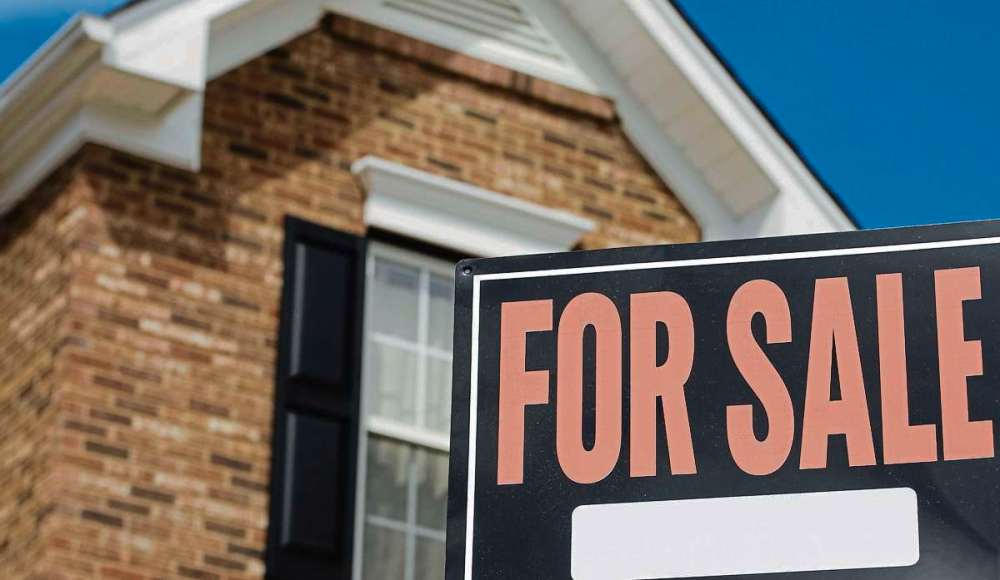
The most common reason for a house not to sell is that it’s overpriced. If a house is taking an inordinate amount of time to sell, especially in a balanced market like the one Winnipeg is currently experiencing, chances are the seller is simply asking too much. Not only are the sellers doing themselves a disservice, they’re actually helping other properties around them sell faster. Buyers shop around and compare prices, and they’ll almost always settle for a comparable home with a better price tag.
Law of supply & demand
The driving factor behind any asking price is demand. In a sellers’ market, high demand means that sellers can price their homes slightly higher than what the last comparable homes sold for. In more balanced conditions, there’s less leeway to bump up your asking price — regardless of whether the great layout of your home or the customizations you love make you feel your home is a diamond in the rough. If the price is beyond what the market will bear, your cherished home will only serve to make the competition look better.
Hard work doesn’t equal higher value
Over the years, you’ve probably put some work into your home. But, as with any product you’re selling, the value is in the eye of the beholder. If you have done renovations, especially for esthetic reasons, it boils down to taste. If buyers don’t like your style, they’ll weigh the costs of changing what you’ve done against what you’re asking.
Of course, certain renovations will increase the value of your home, such as new windows or a new roof. However, even in these cases, you’ll almost never get a 100% ROI. The home, after all, is a package deal, and comparable homes in your neighbourhood might boast the same upgrades.
The value of a professional evaluation
While you may think you have a good idea of the market value of your home, the best way to be absolutely sure you’ve got the price right is to get a comparative market analysis from a realtor, or get a professional appraisal done before you list. Pricing correctly as soon as you hit the market can’t be emphasized enough — the longer a home sits on the market, the more stigmatized it gets. Buyers begin to ask themselves, “What’s wrong with the house?”
Because many of us tend to overvalue things to which we’re emotionally attached, we’re often tempted to overprice our homes. The problem is, this can lead to long months of waiting for an offer or some significant (and disappointing) price reductions.
In the end, your price is one of the most important factors that will determine your success.
Kim Ewchuk is a licensed sales representative and general manager, Central Canada, for ComFree Commonsense Network broker, member of theWinnipeg Real Estate Board.
Suggest column ideas by email at kim.ewchuk@comfree.com