



Ecotourism in Manitoba

Advertisement
Hey there, time traveller!
This article was published 17/07/2017 (3189 days ago), so information in it may no longer be current.
Beyond Manitoba’s wheat fields exists a compelling landscape, home to desert dunes, sparkling sandy beaches, rocky boreal shores, and rugged coastlines.
Manitoba’s wilderness stretches from vast prairie grasslands in the south to frozen Arctic tundra in the north. With five different eco-regions in the province, the geography’s diversity is paradise to adventure seekers.
Ecotourism has many incarnates including outdoor leisure and recreational activities, remote wilderness adventures, observing wildlife in natural habitats, and experiencing cultural traditions and lifestyles. While the term encompasses different principles, the common denominator is that it refers to experiences in outdoor settings that are respectful of natural environments and communities.
Ecotourism can be initiated for enjoyment and challenge, or for more specialized purposes such as outdoor skills development, corporate teambuilding, environmental research, and interpretive educational programs. It can involve activities like canoeing, kayaking, rock climbing, and just about anything wilderness-based that also respects the surroundings.
Manitoba has local outfitters and tour operators located throughout the province, many of whom offer ecologically sound outdoor experiences. If you’re not sure what you want, there are companies to help figure that out. All it takes is a little research to get going.
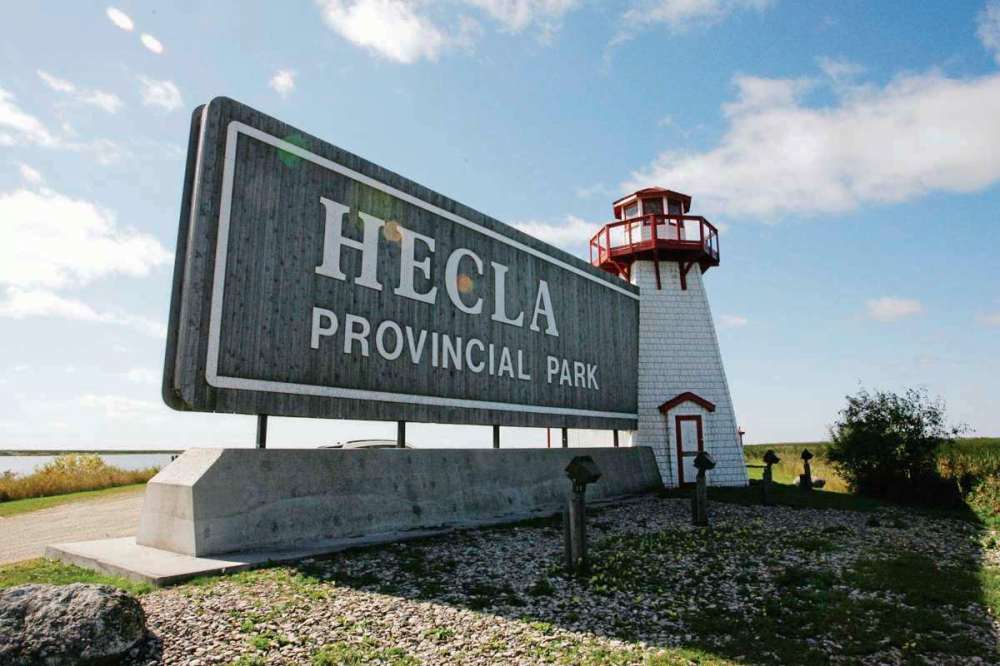
Many of Manitoba’s parks feature recreation trail systems for cross-country skiing and snowshoeing in winter, mountain biking in summer, and hiking year round. The Mantario Hiking Trail in Eastern Manitoba is one of the longest and most challenging trails in Western Canada, at over 60 kilometers. Other trails can be explored in a day, and places like Whiteshell Provincial Park, Birds Hill Provincial Park, Riding Mountain National Park, and Hecla Provincial Park offer self-guided hiking activities and interpretive programs.
Manitoba’s diverse landscape allows for an abundance of wildlife photography and wildlife viewing — two popular forms of ecotourism that are on the rise. Spruce Woods Provincial Heritage Park contains the desert-like area known as Spirit Sands. A five square-kilometre tract of open blowing sand dunes, Spruce Woods is home to many unique species, including the Northern prairie skink (Manitoba’s only lizard), Western hognose snakes, and two types of cacti.
Cultural tourism is also increasing, with organizations like the Aboriginal Tourism Association of Canada established to stimulate, develop and promote tourism opportunities in First Nations communities. Historical tourism involves making a conscious connection between Manitoba’s vibrant history and destinations throughout the province.
No matter what kind of experience you are after, Manitoba is a playground that gives ample opportunity to pursue many adventures. With a good chance you’ll recharge the spirit, mind and body at the same time.
RoseAnna Schick is an avid traveller who seeks inspiration wherever she goes. Email her at rascreative@yahoo.ca
RoseAnna Schick
Travelations
RoseAnna Schick is an avid traveller and music lover who seeks inspiration wherever she goes. Email her at rasinspired@gmail.com
Our newsroom depends on a growing audience of readers to power our journalism. If you are not a paid reader, please consider becoming a subscriber.
Our newsroom depends on its audience of readers to power our journalism. Thank you for your support.
RoseAnna Schick
Travelations
RoseAnna Schick is an avid traveller and music lover who seeks inspiration wherever she goes. Email her at rasinspired@gmail.com
Our newsroom depends on a growing audience of readers to power our journalism. If you are not a paid reader, please consider becoming a subscriber.
Our newsroom depends on its audience of readers to power our journalism. Thank you for your support.
Advertisement Advertise With Us