



How to exercise with an injury
Advertisement
Hey there, time traveller!
This article was published 20/02/2018 (2864 days ago), so information in it may no longer be current.
Injuries are one of the most common reasons people give up on their fitness regimes.
Sometimes it’s just a minor muscle strain but more serious injuries can set an athlete back months or even years.
It’s extremely difficult to stay motivated and maintain the positive mindset required to recover effectively.
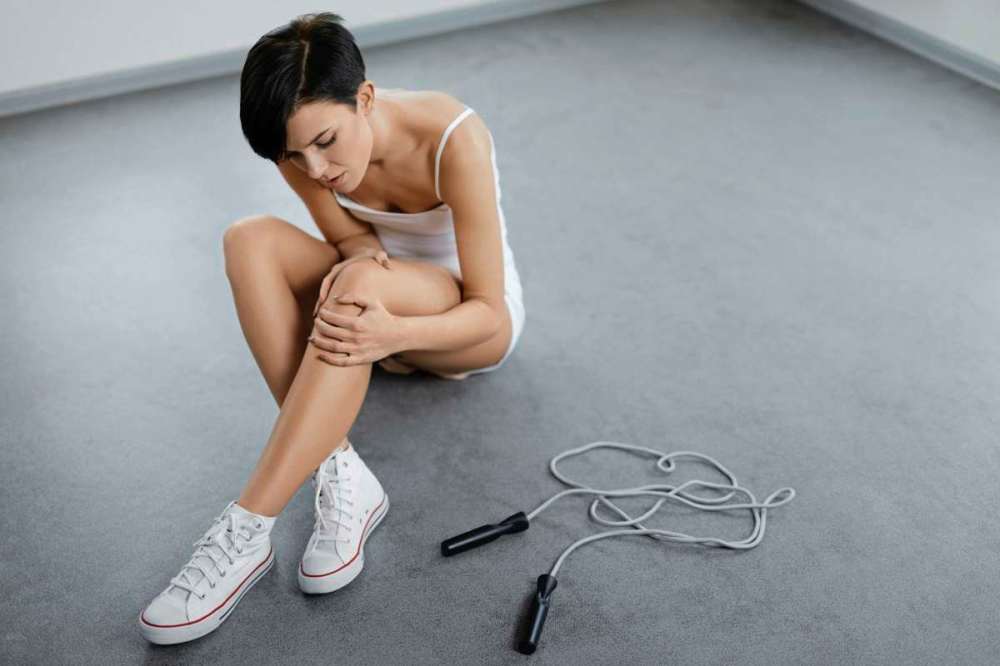
Here are some tips for staying active while recovering from injuries:
It’s important to understand the difference between discomfort caused by exertion or delayed onset muscle soreness, and pain that is caused by an acute injury. If it’s an acute injury and you are aware of it as it is happening, stop whatever you are doing, reset and regroup. Unless you are competing in an elite competitive event, it’s probably not worth risking permanent disability just to finish your workout.
The next step is to get help. Have a sports doctor or other qualified therapist diagnose the problem. Without a diagnosis, you can’t make an informed decision about how to plan your recovery.
I recommend going one step further, with an analysis of what underlying habits or conditions caused the injury in the first place. If you repeatedly pull your hamstring when you run, perhaps you need to take a second look at your running mechanics and work on hip stability and ankle mobility. If you have chronic tennis elbow, consider the possibility of a postural or muscular imbalance in the shoulder.
Once you’ve established what’s going on, it’s time to plan your recovery. The worst thing to do is to give up and retreat to the couch. The recovery plan should include therapy and rehabilitation related to the injury. This can be extremely disheartening but the best way to stay motivated is to reframe the injury as a genuine opportunity.

It’s an opportunity to get to the root of the problem and get rid of some bad habits but also an opportunity to work on new skills or other parts of your body. For example, I had a client recovering from knee surgery who was able to use her recovery time to improve her upper body strength. She was able to achieve multiple consecutive pull-ups, a goal she had been trying to reach for several years.
Recovery time is the perfect chance to focus on other facets of your health and fitness. Use this time to work on flexibility, stress management, sleep and nutrition.
As an added bonus, a well-fed and well-rested body will heal much faster. Go to the library and pick up some informational or inspirational books about your sport or on sport psychology in general. We can all use a bit of motivation and inspiration, even more so on the lonely road to recovery. Getting through an injury relatively unscathed requires a great deal of humility and patience, as jumping back to old routines too quickly will only increase the risk of re-injury.
Tania Tetrault Vrga is owner and head trainer at CrossFit Winnipeg. Send questions to her at www.crossfitwinnipeg.com