



Protect yourself from identity fraud

Advertisement
Hey there, time traveller!
This article was published 22/03/2021 (1791 days ago), so information in it may no longer be current.
Imagine that one day you start receiving phone calls from creditors. You’re confused because you always pay your bills on time. You’ve never even held accounts with the companies the creditors are calling about.
This is how people often find out that they have been victims of identity fraud. The outstanding bills affect your credit rating and can make purchasing a vehicle or house next to impossible.
Protecting yourself from identity theft requires a two-pronged approach:
1. Stop the scam artists from obtaining your identity information;
2. Check the accounts held in your name to ensure there are not any accounts you have not opened.
Stopping the scam artists from obtaining your identity information can be as simple as not losing your identification or giving it to people you don’t know. Identity information includes your bank account and/or credit card numbers and social insurance number. You can protect your information by:
• Only carrying the identification that you need. People rarely need to produce their social insurance cards or birth certificates in everyday situations;
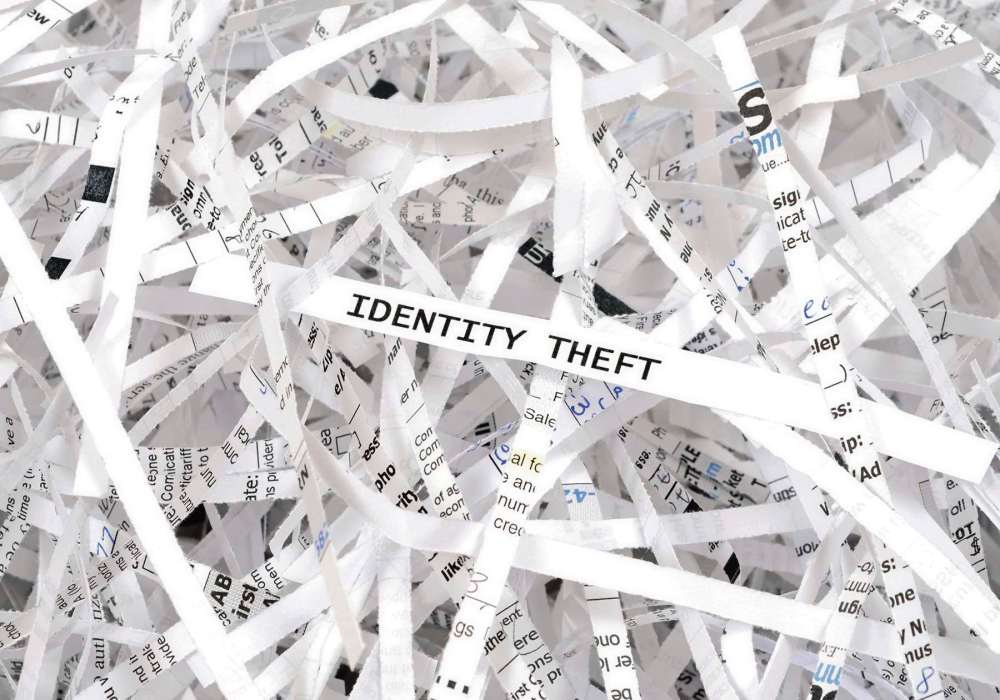
• Shredding all bank and credit card paperwork and old cards;
• Not providing your information to people who call you. If you didn’t initiate the call you don’t know who you’re actually speaking to;
• Being careful online. Phishing emails are still very successful. A phishing email is one that presents as a legitimate company that needs you to verify your information by entering it. Unbeknownst to you, the information is actually being entered into a scam artist’s site.
Unfortunately, even if you are vigilant with your identity information, it is possible for it to be compromised. In the past few years there have been data breaches whereby companies or governments inadvertently release information or are “attacked” online and their systems are compromised.
To combat this, you should check your credit reports. Every year Canadian credit agencies are required to provide you with one free consumer disclosure report upon your request. It will show all of your credit accounts, such as credit cards, personal loans, vehicle loans or cell phone contracts.
Once you review the document you will know if there are any unauthorized accounts opened in your name. The two Canadian credit agencies are:
• Equifax -1-800-465-7166 or www.consumer.equifax.ca
• Transunion -1-800-663-9980 or www.transunion.ca
For further information, visit the Canadian Anti-Fraud Centre website at www.antifraudcentre-centreantifraude.ca/scams-fraudes/identity-identite-eng.htm
— March is Fraud Prevention Month, so Canstar Community News is running stories from the Winnipeg Police Service which outline common fraud schemes and offer tips on how to avoid them.
Winnipeg Police Service
Fraud Awareness Month
March is Fraud Prevention Month, and the Free Press Community Review is sharing stories from the Winnipeg Police Service on its annual campaign to help you recognize, report and reject fraud.
Our newsroom depends on a growing audience of readers to power our journalism. If you are not a paid reader, please consider becoming a subscriber.
Our newsroom depends on its audience of readers to power our journalism. Thank you for your support.
Winnipeg Police Service
Fraud Awareness Month
March is Fraud Prevention Month, and the Free Press Community Review is sharing stories from the Winnipeg Police Service on its annual campaign to help you recognize, report and reject fraud.
Our newsroom depends on a growing audience of readers to power our journalism. If you are not a paid reader, please consider becoming a subscriber.
Our newsroom depends on its audience of readers to power our journalism. Thank you for your support.
Advertisement Advertise With Us