



Just in time – here’s the best way to shovel snow

Advertisement
Hey there, time traveller!
This article was published 22/11/2021 (1616 days ago), so information in it may no longer be current.
We had our first snowstorm in early November, and it brought a lot of heavy snow. It wasn’t a light dusting of flakes that you could easily move aside, and it didn’t melt away as it hit the ground. It had just the right amount of freezing rain to make it very dense and miserable to move.
Did you look outside and think, “I can’t move this snow. I’ll have to call someone because I might injure myself shovelling”?
Or did you throw on your boots, grab a shovel and walk back inside with a crooked back after an hour of work?
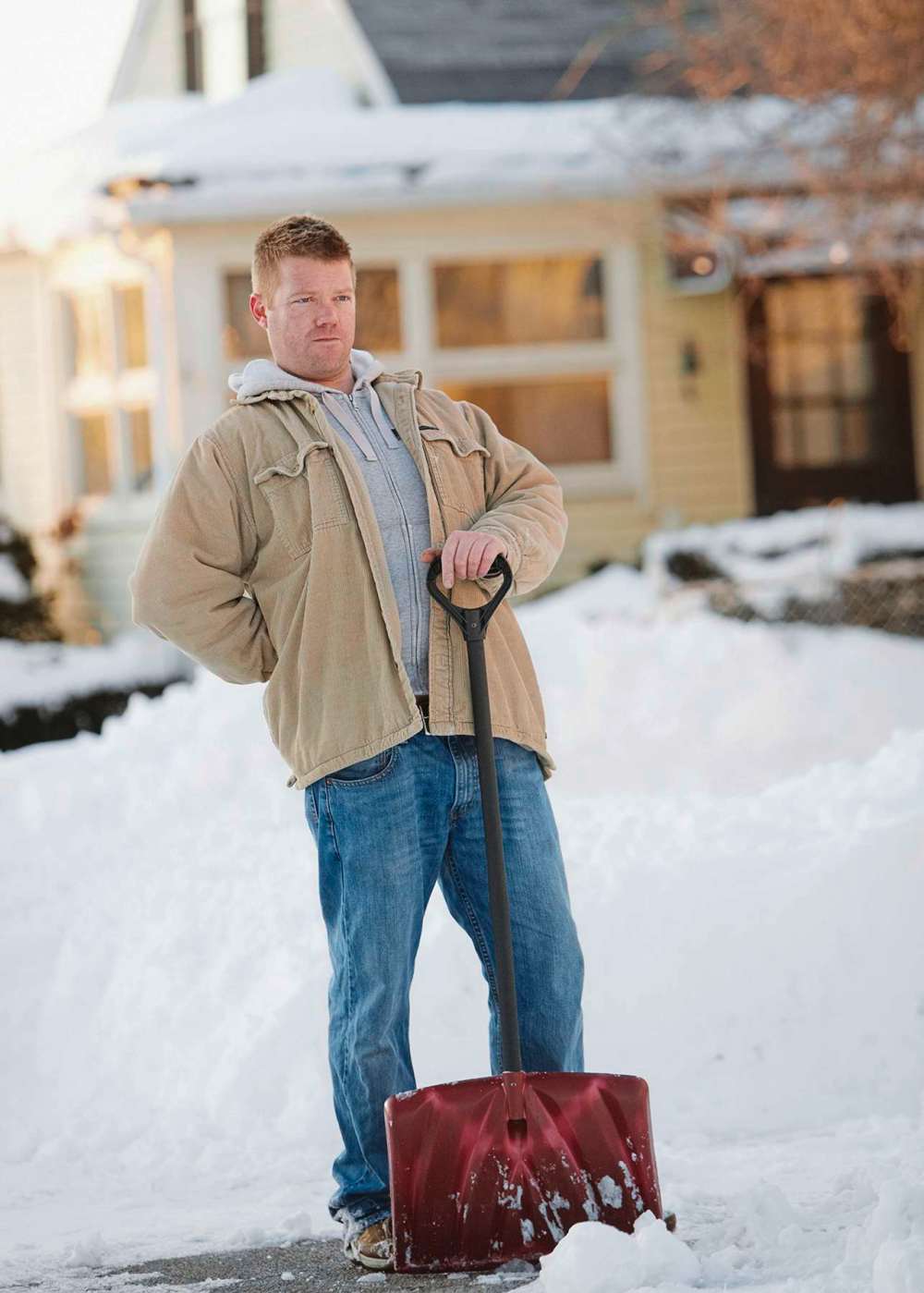
Moving snow can be a daunting physical challenge. But it’s actually a great workout if you use proper technique. Read on to learn how to shovel safely and efficiently:
Lift with your legs
One of the biggest mistakes I see people make when shovelling heavy snow is using their back and biceps more than their legs. People often round their backs to scoop and then try to straighten up and twist while bending their arms at the elbows.
Ouch!
Shovelling is what we call a “hinge movement” in the gym. You want to bend a little at the knees and much more at the hips to engage the powerful muscles of the posterior chain to lift. Think about a child’s action figure that bends at the waist with a stiff back and you’ll get the general idea.
Bracing your core is the key. You want to engage all the muscles around the spine to hold it rigid while your hamstrings and glutes handle the load.
People often think of sit-ups as the ultimate core exercise but most people would be better off improving their core strength with isometric holds like planks and simple loaded carries that help you learn to brace your spine.
If you hinge at the hips with a stiff spine, you’ll keep your back safe as you lift. From there, avoid twisting to dump the load. Keep your core braced and move your feet to unload the shovel.
With lighter snow, you can stand more upright and push the shovel along the ground. Just be sure to engage your core muscles to keep your spine in its natural shape. Pushing with a round back should be avoided.
Know your limits
Even if you know how to shovel, be smart if you’re going to attack the driveway. Clear small sections, take breaks as needed and don’t pick up giant loads that could cause an injury if you don’t have the strength to handle them. And use an ergonomic shovel that allows you to keep your back straight.
If you find shovelling snow to be unmanageable, reach out to a qualified coach and start a strength-training program. You’ll build the muscle you need to shovel and a coach can make sure you’re hinging correctly to avoid injury.
The next time a storm hits, you’ll feel empowered to tackle the snow knowing you have the strength and technique to do so.
Crystal Kirby-Peloquin
Crystal Kirby-Peloquin was a fitness columnist for the Free Press Community Review.
Our newsroom depends on a growing audience of readers to power our journalism. If you are not a paid reader, please consider becoming a subscriber.
Our newsroom depends on its audience of readers to power our journalism. Thank you for your support.
Crystal Kirby-Peloquin
Crystal Kirby-Peloquin was a fitness columnist for the Free Press Community Review.
Our newsroom depends on a growing audience of readers to power our journalism. If you are not a paid reader, please consider becoming a subscriber.
Our newsroom depends on its audience of readers to power our journalism. Thank you for your support.
Advertisement Advertise With Us