


Is an electric vehicle a good investment now?

Advertisement
Hey there, time traveller!
This article was published 10/04/2024 (854 days ago), so information in it may no longer be current.
Dear Money Lady,
I need to purchase a new car this year and I am not sure if I should invest in an EV, hybrid, or regular vehicle. What do you think?
Gord
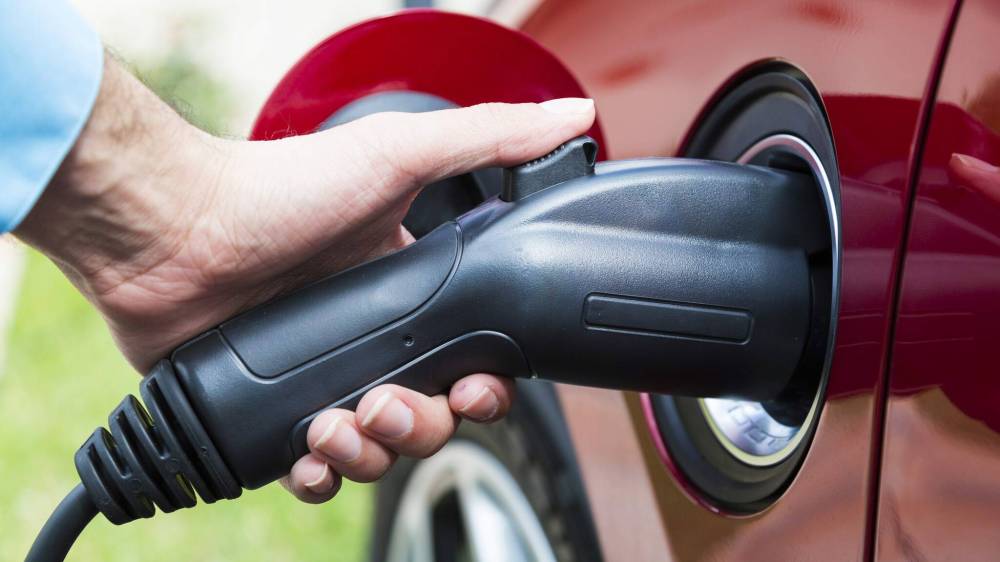
Dreamstime
Although the federal government has mandated that most light-duty vehicles must be EVs or hybrids by 2035, prices remain high and selection and availability are still limited.
Hi Gord,
This is a great question and one I think a lot of Canadians are pondering since the Canadian government mandated that all light-duty vehicle sales be 100 per cent electric by 2035. The problem for me is the current cost of EVs. Now that a vehicle is truly the second-largest investment purchase a Canadian will make, after, buying a home, is it worth it to invest in electric vehicles now?
Maybe not.
Most vehicles have a life span of 10-plus years and to get the most value out of your purchase, you should plan to keep it this long. The problem is, we are just a little too far off the 2035 switch-over date and current vehicle manufacturers aren’t yet offering a great selection of electric vehicles at competitive prices. Yes, we are provided with rebate offers from every province to encourage us to “buy-in,” but we still have the issues with the scarcity of EV charging stations, especially in rural areas.
The best-selling car today is not a car at all; it remains a light truck. The Ford F-150, Chevrolet Silverado 1500 and Dodge Ram 1500 series of pickups are still our North American bestsellers. At the moment, electric vehicles sales only make up approximately 10 per cent of the market and most automakers rely heavily on the profits realized from their light-truck sales to fund their EV development efforts. Toyota, the world’s largest automaker, has announced that for every EV produced, it can make 10 or more hybrids with much less impact to the earth than the energy required to mine and extract precious rare earth minerals from the ground, which is what constitutes the average EV battery.
The Canadian government now offers up to $5,000 in rebates toward the purchase of a fully electric or plug-in hybrid electric vehicle. It’s a good idea to check the Government of Canada website (Canada.ca) under “incentives for zero-emission vehicles”, since not all vehicles qualify for this full rebate and there will be variations to the amount if you plan to lease your new purchase.
In my opinion, you can still get a better deal on a regular gas vehicle but, if your budget allows, it would be a good idea to consider a hybrid. Plan to keep this vehicle for at least 10 years to get your money’s worth out of it. Remember that most new car sales markups start at seven to eight per cent and dealerships are more willing to haggle on their pricing at the end of the month. Aim for a three to four per cent reduction in the list price of the vehicle and be prepared to walk if the sales manager won’t bend. If they know you are a serious buyer, they will give in to this reduction in pricing (a hint from one of my friends who is been in the new car sales business for over 20 years).
If you are leasing your vehicle and writing off the costs as a business expense, then definitely consider an EV or hybrid. This will give you the opportunity to try it out, since you will most likely be trading in your vehicle after three to five years anyway. One thing you need to ensure – if this is your second or third lease – is that the car dealer discharges the old lease and sets up a new one. Many times, we have pulled credit bureau reports for clients wanting loans, only to discover they have multiple leases registered to their names. This is a banking no-no and can hinder your prospects of acquiring future credit. Each lease must be clearly discharged, not transferred. Transferring a lease to a new vehicle creates two lease payments on a client’s credit report, one for the old vehicle (not discharged but still registered with the VIN number) and one for the new vehicle. Be careful.
Christine Ibbotson
Ask the Money Lady
Our newsroom depends on a growing audience of readers to power our journalism. If you are not a paid reader, please consider becoming a subscriber.
Our newsroom depends on its audience of readers to power our journalism. Thank you for your support.
Christine Ibbotson
Ask the Money Lady
Our newsroom depends on a growing audience of readers to power our journalism. If you are not a paid reader, please consider becoming a subscriber.
Our newsroom depends on its audience of readers to power our journalism. Thank you for your support.
Advertisement Advertise With Us
Advertisement Advertise With Us