


St. Norbert – explore our own back yard

Advertisement
Hey there, time traveller!
This article was published 11/06/2025 (446 days ago), so information in it may no longer be current.
Just outside the Perimeter Highway on the south side of the city, St. Norbert is located at the junction of the Red and La Salle rivers. While it officially became part of Winnipeg in 1972, it has long been a meeting place of historical significance to Indigenous peoples.
The Assiniboine, Cree, and Ojibwa nations inhabited the lands here, establishing trade routes along the waterways that flowed through rich hunting grounds. When Europeans began arriving in the area in the 1700s, and it became home to French and Métis settlements.
In 1817, the Lord Selkirk Treaty was signed with Indigenous leaders – the first document recognizing Indigenous lands in Western Canada. The territory would eventually become known as Treaty 1, covering a vast area of southern Manitoba, which included modern day St. Norbert.
Free Press file photo
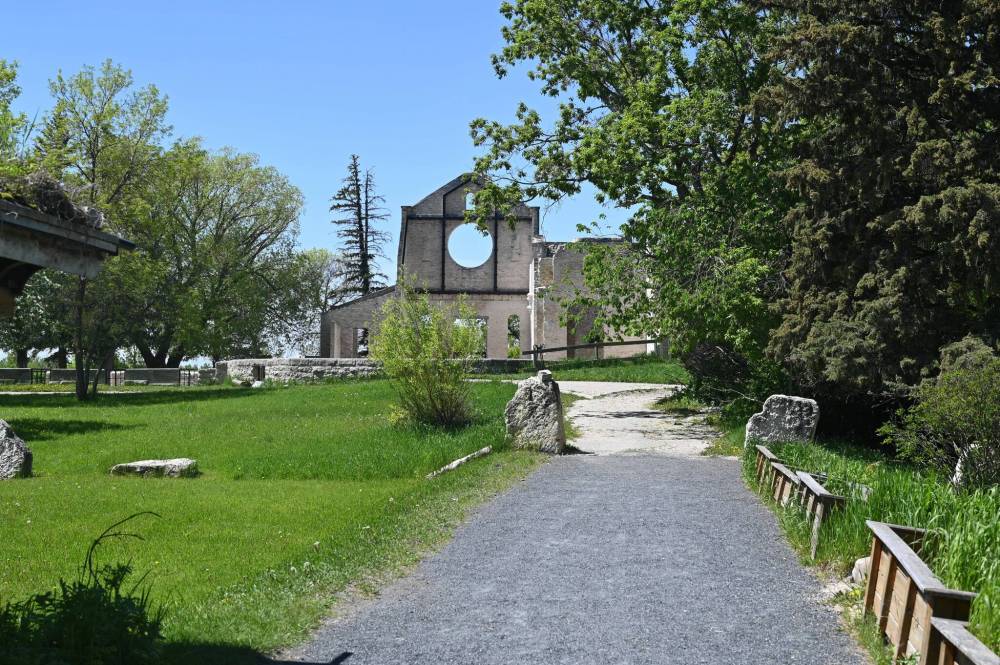
The Trappist Monastery Provincial Heritage Park in St. Norbert is a serene site, featuring the ruins of Our Lady of the Prairies Monastery.
Today, visitors can step in back in time and reflect on those early days at St. Norbert Provincial Heritage Park. A captivating blend of history and nature, the park features restored homes from the late 1800s, with furnishings and artifacts recreating the era. Self-guided interpretive displays along the tranquil riverbank trails give additional glimpses into 19th century life.
Trappist Monastery Provincial Heritage Park is a serene site featuring the ruins of Our Lady of the Prairies Monastery. It was established in 1892, when four monks arrived in St. Norbert from Bellefontaine, France. The monastery thrived until the monks relocated in the late 1970s. A fire set by vandals in 1983 left what have been preserved as hauntingly beautiful remnants of the monastery.
Fortunately, the monastery’s guest house, built by the monks in 1912, was spared from the fire. The building was renovated in 1996 to become the St. Norbert Arts Centre, a vibrant hub of creativity and culture. Beyond artistic offerings, SNAC also embraces environmental preservation, and spiritual inspiration.
The SNAC Ceremonial Grounds are run by elders, with two sweat lodges and sacred spaces designed for gatherings, ceremonies, and traditional practices. The World Peace Pagoda, constructed by the Dharma Centre of Winnipeg and the Buddhist community of Manitoba, is a significant landmark. Since 2000 it has served as a visual symbol of peace and mindfulness, offering tranquil space for meditation and solitude.
La Barrière Park is a 323-acre outdoor playground on the edge of St. Norbert, along the western banks of the La Salle River. Here you’ll find walking trails, picnic areas, disc golf, and cross-country skiing in winter. It’s a peaceful escape, and a popular place for water activities like canoeing, kayaking, paddle-boarding, or even just kicking back with a lawn chair and casting a fishing line from shore.

Free Press file photo
Bohemier House is one of the heritage homes that can be explored at St. Norbert Village Heritage Park.
St. Norbert Farmers’ Market is Manitoba’s largest market gathering, with over 200 local vendors selling fresh produce, baked goods, and handcrafted items. Open every Saturday year-round, it offers a vibrant atmosphere where visitors can shop, be entertained, and explore locally made and homegrown products.
So whether you are seeking fresh foods and homemade wares, connection to the outdoors, artistic discovery, or spiritual clarity… there’s a good chance you’ll find it in St. Norbert – a gem of a location where you can tread off the beaten path and embrace the past, while enjoying the beauty of the present.
RoseAnna Schick
Travelations
RoseAnna Schick is an avid traveller and music lover who seeks inspiration wherever she goes. Email her at rasinspired@gmail.com
Our newsroom depends on a growing audience of readers to power our journalism. If you are not a paid reader, please consider becoming a subscriber.
Our newsroom depends on its audience of readers to power our journalism. Thank you for your support.
RoseAnna Schick
Travelations
RoseAnna Schick is an avid traveller and music lover who seeks inspiration wherever she goes. Email her at rasinspired@gmail.com
Our newsroom depends on a growing audience of readers to power our journalism. If you are not a paid reader, please consider becoming a subscriber.
Our newsroom depends on its audience of readers to power our journalism. Thank you for your support.
Advertisement Advertise With Us
Advertisement Advertise With Us