


The secret shores of Dublin

Advertisement
Dublin is the kind of place that reveals itself slowly and mysteriously. On the surface, it is Ireland’s largest city, with rivers running through it, and a major seaport on its coast. Dive a little deeper and you’ll discover fascinating places along the shores – and beneath the streets.
Dublin dates back to 841 AD, when Vikings established a settlement here – although archeological evidence confirms humans have inhabited the area for at least 6,000 years. It became recognized as a city around 1171 and has functioned under a city charter for more than 850 years.
The name comes from the Irish Gaelic term ‘Dubh Linn’ meaning ‘black pool’ – named for the junction of the River Poddle and the River Liffe, where a large pond ebbed and flowed with the tides. Historically, the Poddle was a tributary that played a key role in medieval development, including powering mills and supplying water to the city. Over the years, though, it became culverted and diverted below roads and buildings.
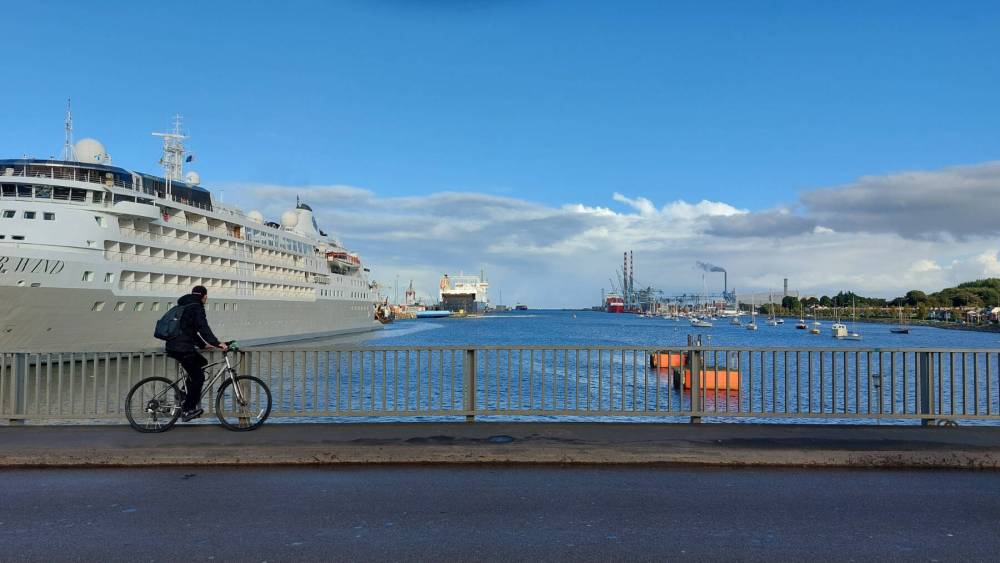
Photo by RoseAnna Schick
A view of Dublin Port.
While the river still flows today, it’s only visible in small stretches of parkland and open spaces. The rest remains underground, hidden beneath Dublin – yet still quietly emptying into the River Liffey from a culvert near Winetavern Street in the city centre.
The Port of Dublin has been an important trading hub for centuries. It is Ireland’s largest container port, handling both cargo shipping and passenger ferries. It connects the country to the U.K., continental Europe, and beyond. Historically, its position on the east coast made it a hub of trade, defense, and settlement, which is why Dublin became Ireland’s capital city.
For panoramic views of the port, take a stroll along the Great South Wall – one of Dublin’s best walks that most tourists never discover. This granite breakwater has protected Dublin Port from waves and sand drift for more than 220 years. Starting at Pigeon House Road, the four-kilometre journey take you far out to sea to the bright red Poolbeg Lighthouse. With gulls circling overhead, waves relentlessly slapping, and salt spray dampening you, every windswept step gets the adrenaline going. Don’t forget to periodically look back to witness the city skyline fading off in the distance.
Did you know that Dublin has several beaches along the coastline? There are at least 10, although the number can vary depending on ocean activity. They aren’t typically about sunbathing either. Seek them out for fresh air, ocean views, and outdoor recreation.
At Dollymount, brightly coloured kitesurfers glide across the water on the windiest of days. Over at Sandymount Strand, when the tide is out, the sea bottom reveals rippled waves of sand that mirror the clouds high above Dublin Bay.
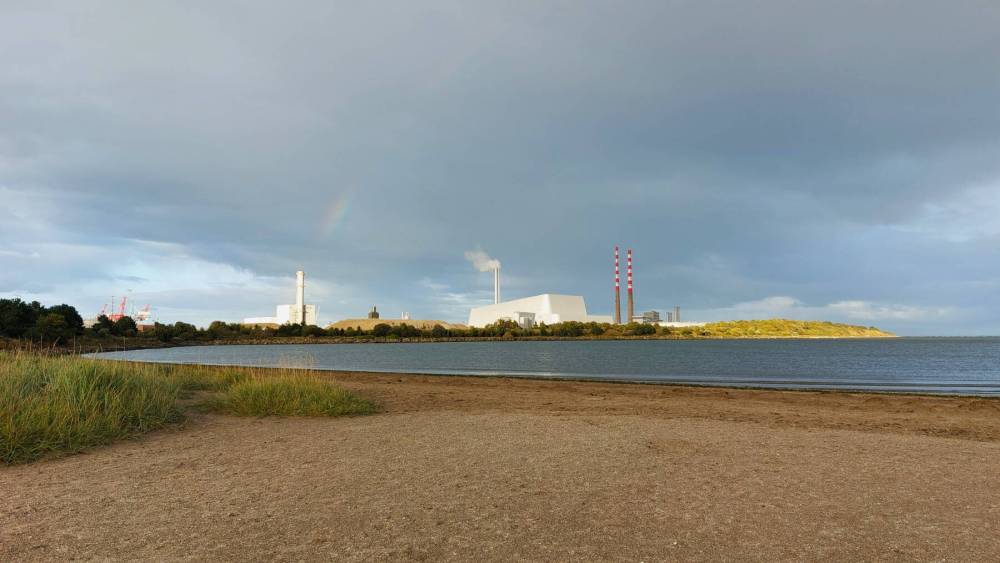
Photo by RoseAnna Schick
The chimneys of Poolbeg Power Station rise above Dublin Bay.
Author James Joyce is famously linked to Sandycove Harbour, which is the opening for his renowned novel Ulysses. While not a traditional ‘day at the beach’ spot, the sand and sea around Sandycove feature prominently in his literary landscape, giving the area cultural significance along with the scenery.
If you find yourself in Dublin, take time to look beyond the tourist attractions. Because the city reveals more and more to you the further you wade in.
RoseAnna Schick
Travelations
RoseAnna Schick is an avid traveller and music lover who seeks inspiration wherever she goes. Email her at rasinspired@gmail.com
Our newsroom depends on a growing audience of readers to power our journalism. If you are not a paid reader, please consider becoming a subscriber.
Our newsroom depends on its audience of readers to power our journalism. Thank you for your support.
RoseAnna Schick
Travelations
RoseAnna Schick is an avid traveller and music lover who seeks inspiration wherever she goes. Email her at rasinspired@gmail.com
Our newsroom depends on a growing audience of readers to power our journalism. If you are not a paid reader, please consider becoming a subscriber.
Our newsroom depends on its audience of readers to power our journalism. Thank you for your support.
Advertisement Advertise With Us
Advertisement Advertise With Us