


Green water in the Seine is not normal

Advertisement
Hey there, time traveller!
This article was published 20/03/2017 (3360 days ago), so information in it may no longer be current.
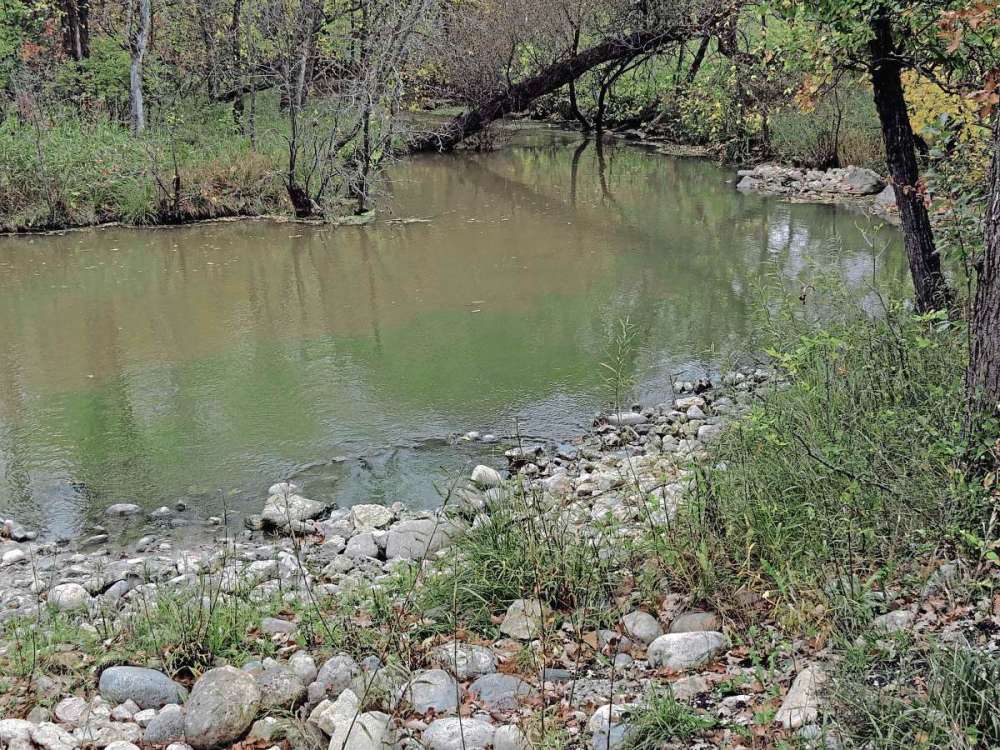
Last fall, I took a short walk to the Seine River south of John Bruce Road East. While taking photos of the trail, I noticed bright green water entering the river from a pipe under the stones.
There was a clear line where the green water from the pipe met the brown water of the river.
I asked other trail users if they had noticed green water before. The answered surprised me:
“Of course. Every time it rains. And sometimes it smells really bad.”
I was shocked by this response. Green or smelly water from a land drainage pipe is not normal. This particular pipe carries runoff from as far away as Sage Creek. It is not a sewage pipe. The runoff had picked up pollution on its way to the river.
The Seine River is normally brown due to the presence of clay. Soil in southern Manitoba is rich in fine clay and silt that is easily picked up and carried by rivers. The suspended particles make the water murky. It is hard to see the bottom even when the river is quite shallow.
The cloudiness of water is called turbidity. High turbidity can have many negative effects on aquatic life. Sediment can block light, smother organisms, and carry contaminants.
Green water indicates there is a large amount of algae in the water. Algae are microscopic plants. They reproduce very quickly when water is high in nutrients — especially phosphorus and nitrogen. Algae also contribute to high turbidity.
Excess nutrients may come from lawn fertilizer or organic materials such as animal waste, manure, and sewage. In this case, the major contributor is likely lawn fertilizer.
Nutrients can be removed from the runoff before it reaches the Seine River. New retention ponds, like the one at the junction of Shorehill and Bridgetown, look and function like natural wetlands. Research has proven that they are more effective at removing nutrients than older retention ponds, like those in Island Lakes.
Can we eliminate “green water” events on the Seine River? Yes. As residents, we can reduce our use of fertilizers. The city can convert old retention ponds into naturalized wetland ponds.
Save Our Seine is starting a new program this summer to monitor water quality in the Seine River. Volunteers will collect water samples to test turbidity and other parameters. Please contact SOS if you would like to get involved.
Michele Kading is a community correspondent for St. Vital and the executive director for Save Our Seine — www.saveourseine.com
Michele Kading
St. Vital community correspondent
Michele Kading is a community correspondent for St. Vital. She is also the executive director of the Association of Manitoba Museums.
Our newsroom depends on a growing audience of readers to power our journalism. If you are not a paid reader, please consider becoming a subscriber.
Our newsroom depends on its audience of readers to power our journalism. Thank you for your support.
Michele Kading
St. Vital community correspondent
Michele Kading is a community correspondent for St. Vital. She is also the executive director of the Association of Manitoba Museums.
Our newsroom depends on a growing audience of readers to power our journalism. If you are not a paid reader, please consider becoming a subscriber.
Our newsroom depends on its audience of readers to power our journalism. Thank you for your support.
Advertisement Advertise With Us