



Winnipeg wildlife on the increase

Advertisement
Hey there, time traveller!
This article was published 31/05/2021 (1767 days ago), so information in it may no longer be current.
Like many others during the pandemic, I’ve explored Winnipeg’s parks by foot, kayak and bike and have travelled outside the city to seek out nature and peace.
Ironically, I spot more wildlife in the city than outside of Winnipeg. This year, in some city parks, I’ve seen deer more often than not, sometimes in fairly large groups. Other wildlife occasionally spotted in city neighbourhoods and parks include raccoons, foxes, beaver, owls and eagles. On excursions to provincial parks and other wild areas outside the city, I enjoy rarer, if a bit more varied, animal sightings.
Why the abundance of animals enjoying city life?
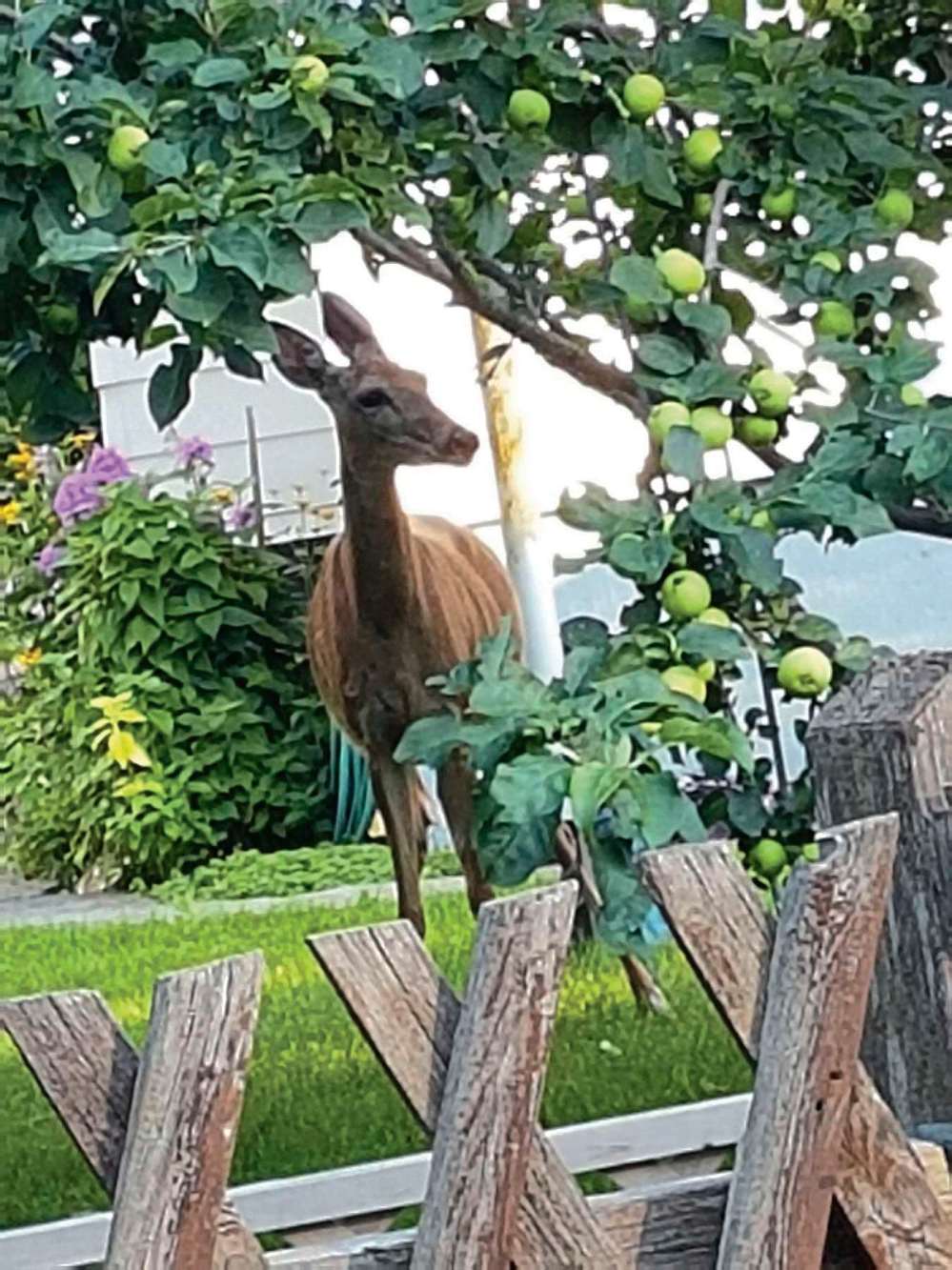
The well-researched “Urban Wildlife of Winnipeg: Causes, Effects, and Management” (from urbanwinnipegwildlife.weebly.com) states that urban areas provide animals with the four necessities to survive — year-round food, water, shelter, and space. The article explains that Winnipeg’s four main rivers, along with ponds and creeks, offer corridors where animals can move around safely and avoid busy roads.
Is there an actual increase in the number of animals moving to the city?
In Stateline’s 2020 article “Deer, bear and everywhere: Animals move into the city,” Brown says that most scientists agree that more wildlife is moving into suburban and urban areas. Brown’s words apply to any North American city seeing increased wildlife when he says, “‘Generalist’ species such as deer, coyotes and raccoons, which thrive in many different conditions, have found cities especially welcoming … and an abundance of food and lack of predators make cities a good home.”
An increase of animals moving to town pleases some and worries, or at times upsets, others.
I’m somewhat loopy about anything with fur or feathers, and I never tire of observing these city dwellers. I’m happy to put up with the messy geese droppings for the opportunity to watch those green, fuzzy goslings gallivanting about. And even though deer ate many of the bushes in my yard this past winter – those eyelashes!
The question, of course, is what’s best for the wildlife. When I observe geese crossing major roads or setting up nesting sites in concrete, foot-trafficked areas, I want to recommend they start a goose commune on some secluded island. Though I find it more rewarding to see animals in wilder conditions, I admit to enjoying regular “visits” with beautiful creatures in the city. With proper wildlife management and respect, our wild neighbours can hopefully come out ahead for a change.
Kirby Gilman is a community correspondent for Wildwood. Email her at kirby.gilman@shaw.ca
Kirby Gilman
Wildwood community correspondent
Kirby Gilman was a community correspondent for Wildwood. Email her at kirby.gilman@shaw.ca
Our newsroom depends on a growing audience of readers to power our journalism. If you are not a paid reader, please consider becoming a subscriber.
Our newsroom depends on its audience of readers to power our journalism. Thank you for your support.
Kirby Gilman
Wildwood community correspondent
Kirby Gilman was a community correspondent for Wildwood. Email her at kirby.gilman@shaw.ca
Our newsroom depends on a growing audience of readers to power our journalism. If you are not a paid reader, please consider becoming a subscriber.
Our newsroom depends on its audience of readers to power our journalism. Thank you for your support.
Advertisement Advertise With Us