


Get your green thumb growing

Advertisement
Hey there, time traveller!
This article was published 26/04/2023 (1179 days ago), so information in it may no longer be current.
The other day I heard someone say that, with the continuously growing cost of produce, they would love to grow their own vegetables, but they really had no idea how to begin.
It just so happens that my uncle Norm is part of the Manitoba Master Gardener Association, so I decided to pick his brain and share some of this knowledge with you.
Gardening takes organization, dedication and a little bit of hard work (or a lot, depending on how serious you want to get) to get started but, once you’re set, up you will be rewarded with excellent-tasting vegetables, fruits and herbs you can get directly from your own place.
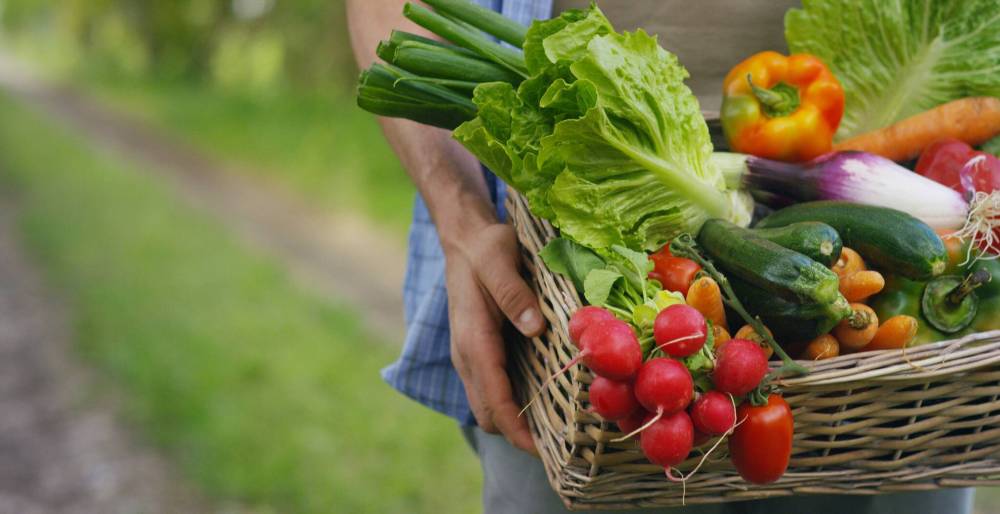
Dreamstime
The idea of growing your own vegetables will likely catch on with many people this year. It takes time and diligence to begin but once you’re set up, you will enjoy the bounty.
Uncle Norm begins planting indoors the beginning of April. He has a set of shelves with grow lights which he uses to grow lettuce in the winter and to use as starter spots in spring for things such as peppers, tomatoes and onions.
This “seed starting” process is very important to kickstart your growing ,considering that our weather isn’t really garden ready until the beginning of summer. My grandma traditionally planted her huge garden on June 1 every year.
To begin your seed starters you will need small potting containers (the little square ones) and seed starter mix, not garden soil. Once they begin to germinate on a heat mat and under hydroponic lights, you can re-pot them using peat moss. As your new baby plants grow but have never seen the light of day, you will need to acclimatize them to the elements of sun and wind slowly, for a few hours each day, keeping them mostly in the shade at the beginning.
From there you can plant them, and the quality of your soil is very important. Spending the extra money on soil such as a five-way compost mix will save you in the long run and will produce a much higher quality of yield. If you’re really serious you can research the idea of “hugelkultur” which is mound culture and the building of garden beds off the ground.
If you only have a spot in the ground to plant, be sure to till and mix in compost (which can be made with leaves, grass and good old horse manure – if you do not live next to a farm, the five-way compost mix works best.)
Every vegetable has its own planting and growing needs so be sure to do your research before wasting any time. For example, corn needs to be planted in a plot of rows and not just one row. Carrots and onions can be planted in the form of ‘intensive gardening’, whereby you plant many seeds in a small area and as they grow you can take some out to make room for the others. Tomatoes and beans need some kind of fence or structure for the vine supports. Remember, if you have good quality, loose soil, your veggies won’t need much room to grow.
Proper bedding planters are also very important. If all you have is a spot in the ground or some pots on the shelf, that will work — but if you’re able to build or have built planters that are off the ground by two to three feet it is much more comfortable to pick weeds and the veggies from that height, without having to bend over the whole time and it will also keep many of the weeds from blowing into your soil.
Happy gardening everyone!
Dan Sylvestre
Fort Rouge community correspondent
Dan Sylvestre is a community correspondent for Fort Rouge.
Our newsroom depends on a growing audience of readers to power our journalism. If you are not a paid reader, please consider becoming a subscriber.
Our newsroom depends on its audience of readers to power our journalism. Thank you for your support.
Dan Sylvestre
Fort Rouge community correspondent
Dan Sylvestre is a community correspondent for Fort Rouge.
Our newsroom depends on a growing audience of readers to power our journalism. If you are not a paid reader, please consider becoming a subscriber.
Our newsroom depends on its audience of readers to power our journalism. Thank you for your support.
Advertisement Advertise With Us
Advertisement Advertise With Us