


A story of perseverance

Advertisement
Hey there, time traveller!
This article was published 04/07/2024 (805 days ago), so information in it may no longer be current.
If you went to elementary school between 1968 to 1984 in Transcona, you may have been taught by Mr. Art Miki, or he may have been your school’s vice-principal or principal. What you may not know about Miki is his steadfast work with the National Association of Japanese Canadians (NAJC).
The Liberal government enacted the War Measures Act in 1941. This gave cabinet powers to govern without approval of Parliament. The government determined anybody of Japanese heritage was a threat due to the war with Japan, even though 60 per cent of them were born in Canada.
When he was only six years old, Miki’s family was forced to leave their home in British Columbia. With no time to sell their property, and rather than have it confiscated, Miki’s grandparents sold their homestead for $2,500. Today it would be worth several million dollars. His family ended up in Ste. Agathe, Man., where his father worked on a sugar beet farm.
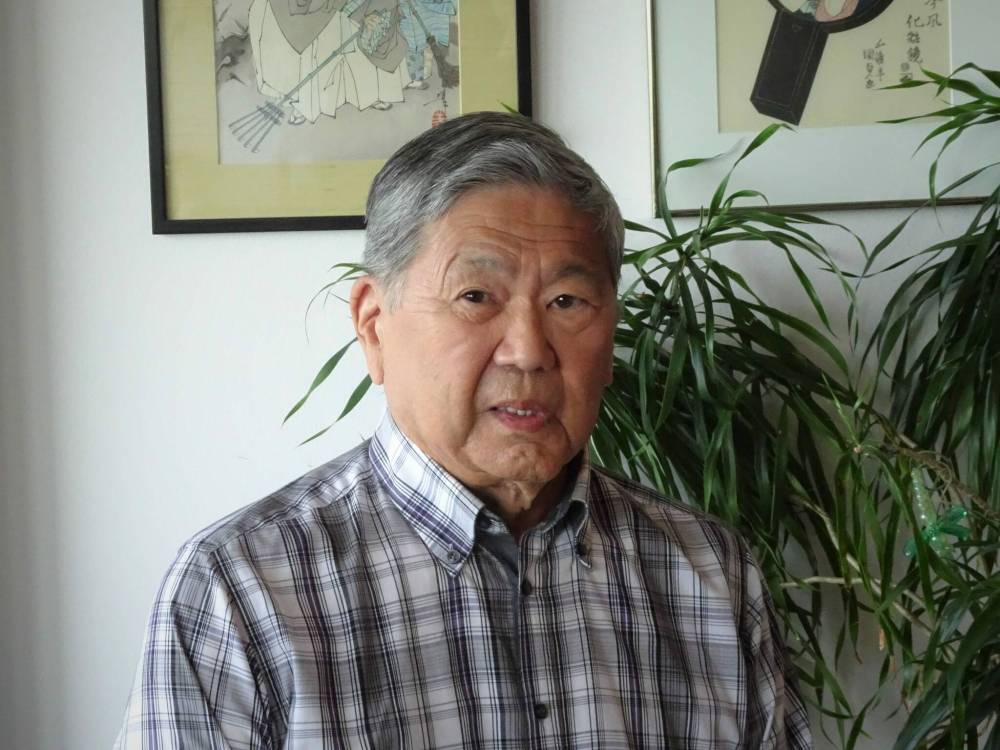
Supplied photo
Art Miki, a retired Transcona educator and president of the National Association of Japanese Canadians, signed a historic agreement between the federal government and the NAJC in 1988 to address the forced relocation of Japanese-Canadians during the Second World War.
With forced relocation, the Japanese lost their legal and human rights. Over 1,100 farms and 2,500 fishing boats were confiscated. Whether in internment camps or new homes, life was a hardship. Work was hard to come by, working on sugar beet farms was laborious and pay was very poor, the housing was substandard often with no running water, and racism was commonplace. Families were often split up, and many lost their connection to their Japanese culture as they lived far apart.
In 1976, the Japanese Canadian Reparations Committee was formed (later changed to NAJC). The initial priority was to speak to politicians, many of whom were ignorant on this part of Canadian history. Their mandate was to hold hearings across Canada on the wartime property losses and to recommend to the federal government what should be paid.
Miki became president of the NAJC in 1984. He did not realize at the time what an arduous, long struggle it would be to get the issues of redress finalized. Miki made a statement to the press that summed up redress: “The NAJC was seeking acknowledgement from the Canadian government of the injustices committed against Japanese Canadians during and after World War II and that NAJC seek redress in the form of monetary compensation.” An additional part of the redress proposal was to modify or eliminate the War Measures Act, so that what happened to the Japanese Canadians could not happen again with other minority groups.
In September, 1988 Brian Mulroney and Art Miki signed the historic agreement between the government and the NAJC. In addition to individual compensation, $12 million went to the administration of the NAJC for education and cultural activities. Another $24 million was devoted to establishing the Canadian Race Relations.
Pam Okano told me the Japanese Cultural Association of Manitoba (JCAM) benefits from the cultural funds. The JCAM promote Japanese culture, including education and teaching the Japanese language.
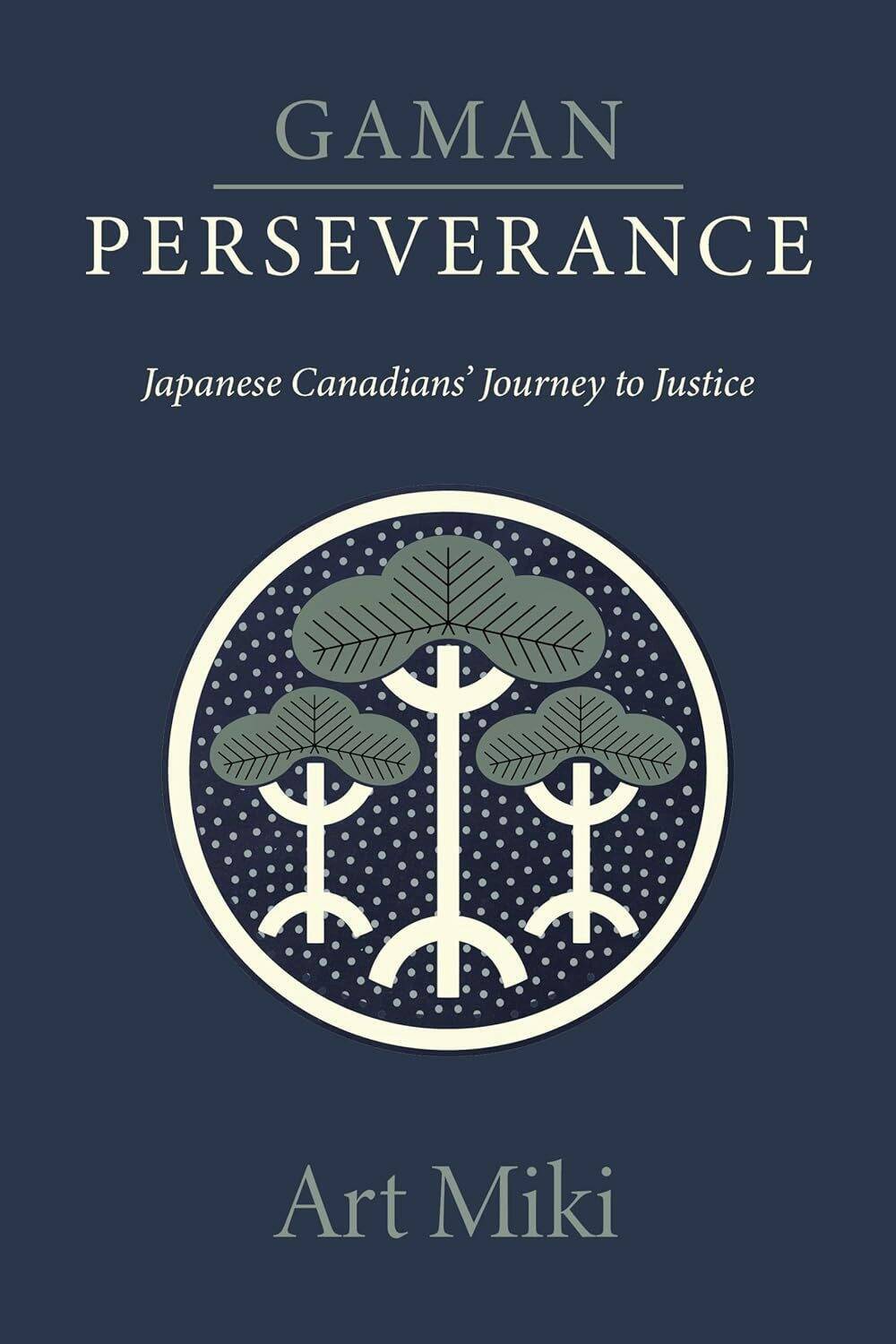
Supplied image
Art Miki is the author of Gaman - Perseverance: Japanese Canadians’ Journey to Justice. The three trees pictured on the front are Miki’s family crest.
I could only mention a fraction of what I wanted to write about, including Miki’s many other accomplishments. I recommend you read Art Miki’s book, Gaman. He told me it was his memoir, but it’s much more than that. It’s a story of Canadian history, Japanese culture, WWII, racism, politics, the media, and most importantly gaman — perseverance.
Suzanne Hunter
Transcona community correspondent
Suzanne Hunter is a community correspondent for Transcona.
Our newsroom depends on a growing audience of readers to power our journalism. If you are not a paid reader, please consider becoming a subscriber.
Our newsroom depends on its audience of readers to power our journalism. Thank you for your support.
Suzanne Hunter
Transcona community correspondent
Suzanne Hunter is a community correspondent for Transcona.
Our newsroom depends on a growing audience of readers to power our journalism. If you are not a paid reader, please consider becoming a subscriber.
Our newsroom depends on its audience of readers to power our journalism. Thank you for your support.
Advertisement Advertise With Us
Advertisement Advertise With Us