


Finding a new home for family treasures

Advertisement
Hey there, time traveller!
This article was published 16/10/2024 (706 days ago), so information in it may no longer be current.
My Baba was a Ukrainian settler. She came to Canada in 1928. She raised three daughters as a single mom on her farmstead in Weirdale, Sask.
Like thousands of European settlers, Baba lived a simple farm life. She had two cast iron stoves – one for heating, another for cooking. On our visits, we drew water from the well to boil perogies. There was no bathroom. We used the honey pot under the bed to avoid using the outhouse at night. We feasted on raspberries, new potatoes, and corn from her gardens. She showed me how to card wool and to use her spinning wheel. Baba was hard-working and had the tools she needed to survive.
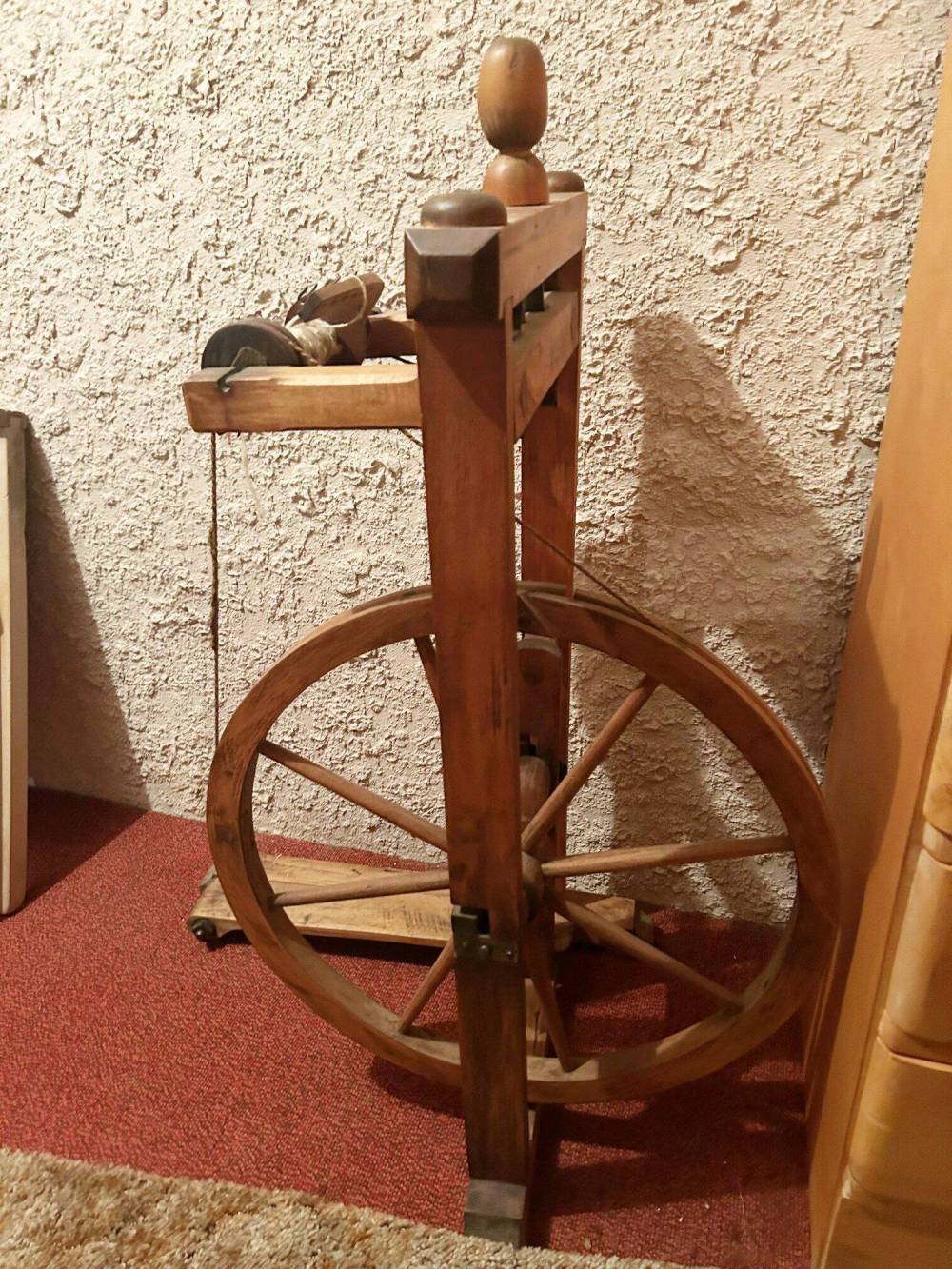
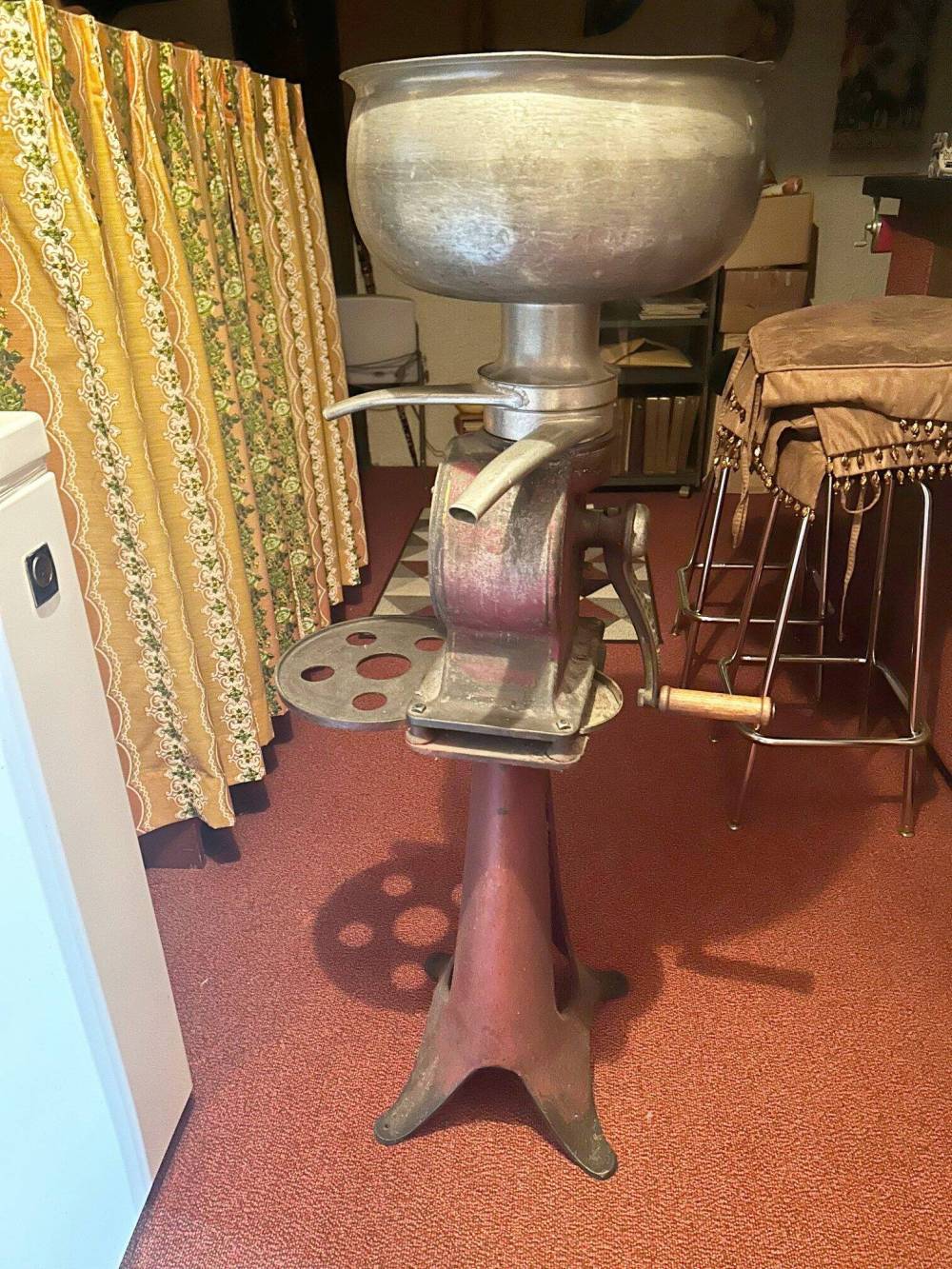
My mom inherited Baba’s cream separator and spinning wheel. Lately, we have been talking about these family treasures. Will they stay in the family, find a new home, or end up in a dump? This dilemma faces many families. Elders hope that their children, grandchildren, nieces, or nephews will value these belongings as they have – as part of the family heritage. But even if they do, they may not have room for the family dining table or Grandma’s china set.
Supplied photo
A working spinning wheel may be a great addition to a local museum’s exhibits or teaching collection.
A museum may be a potential “forever-home” for some family heirlooms. But, most museums must be very selective in what they accept. They may already have a cream separator in their collection that is in better condition than yours. Or, they may specialize in belongings that tell a particular story.
If you are hoping to donate a family heirloom to a museum, write down its full story. Who did it belong to? When, where, and how was it used? Does it have accessories? Where was it made? Does it tell a unique story or represent the typical lifestyle of a broader community?
Look for a museum that would be a good fit. Would your beaded moccasins or Grandma’s hand-made wedding dress enhance the museum’s collection? Your uncle’s butterfly collection may not be ideal for the local railway museum.
When you make a donation, remember that you are transferring ownership to the museum. How it uses, displays, or removes (deaccessions) the item is the museum’s decision. This is spelled out in its collections policy.
To narrow down potential museums, explore some of Canada’s searchable databases:
Supplied photo
A working spinning wheel may be a great addition to a local museum’s exhibits or teaching collection.
- Manitoba museums: https://www.musetoba.ca
- Saskatchewan museums: https://saskcollections.org/
- Artefacts Canada database: app.pch.gc.ca/application/artefacts_hum/humaines_humanities.app?lang=en
Reach out to a provincial museum association for suggestions. Good luck!
Michele Kading
St. Vital community correspondent
Michele Kading is a community correspondent for St. Vital. She is also the executive director of the Association of Manitoba Museums.
Our newsroom depends on a growing audience of readers to power our journalism. If you are not a paid reader, please consider becoming a subscriber.
Our newsroom depends on its audience of readers to power our journalism. Thank you for your support.
Michele Kading
St. Vital community correspondent
Michele Kading is a community correspondent for St. Vital. She is also the executive director of the Association of Manitoba Museums.
Our newsroom depends on a growing audience of readers to power our journalism. If you are not a paid reader, please consider becoming a subscriber.
Our newsroom depends on its audience of readers to power our journalism. Thank you for your support.
Advertisement Advertise With Us
Advertisement Advertise With Us