


Simple steps to prevent identity theft

Advertisement
Identity theft can happen to anyone – and it doesn’t just affect big cities or large corporations. Right here in Manitoba, individuals and families are targeted every day by email scams, phone calls, stolen mail, and online data breaches. The good news? A few simple habits can dramatically reduce your risk.
• Shred sensitive documents – Identity thieves often look for personal information in garbage or recycling bins. Bank statements, credit card offers, tax documents, and even utility bills can contain enough details to commit fraud. Use a paper shredder for anything that includes your name, address, account numbers, or date of birth. If you don’t have a shredder, consider using community shredding events, which are often hosted locally.
• Protect your mail – Mail theft continues to be a problem in many neighbourhoods. If you’re expecting important documents, retrieve your mail promptly. Consider using a locked mailbox if possible. If you’re travelling – especially during winter vacation season – ask a friend or neighbour to collect your mail or place it on hold with Canada Post.
Adobe Stock photo
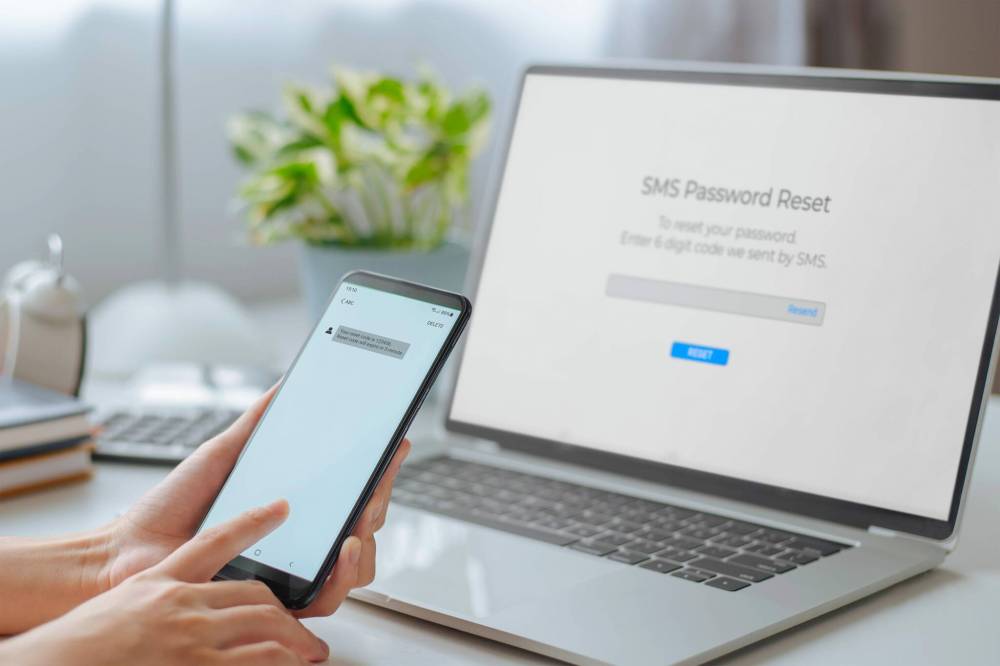
Using two-factor authorization on your most important accounts means that even if someone gets your password, they will still need a second code, sent to your phone or email address, to log in.
• Strengthen your passwords – Weak passwords are one of the easiest ways for criminals to access your accounts. Avoid using birthdays, pet names, or simple combinations such as “123456.” Instead, create long, unique passwords that combine letters, numbers, and symbols. Better yet, consider using a reputable password manager to generate and store secure passwords.
• Turn on two-factor authentication – Many banks, email providers, and social media platforms now offer two-factor authentication (2FA). This means that even if someone gets your password, they still need a second code sent to your phone or email to log in. It only takes a few extra seconds and can significantly improve your security.
• Be cautious with phone calls and emails – Scammers often pose as government agencies, financial institutions, or even delivery services. If you receive a call or email asking for personal information, pause before responding. Do not click suspicious links. Instead, contact the organization directly using the official phone number listed on their website. Government agencies and banks will not pressure you for immediate payment or sensitive information.
• Check your statements regularly – Review your bank and credit card statements carefully each month. Even small unfamiliar charges can be a warning sign. Report suspicious transactions immediately – the sooner you act, the easier it is to limit damage.
• Monitor your credit – Canadians are entitled to request a free copy of their credit report from major credit bureaus. Checking your report once a year can help you spot accounts or loans you didn’t open.
Identity theft prevention doesn’t require technical expertise – just awareness and consistent habits. By taking these simple steps, households can protect their personal information and reduce the risk of becoming victims. Staying informed and cautious is one of the best defences we have.
Learn how to recognize, prevent, and report scams at JustHangUp.ca. Or visit the Canadian Anti-Fraud Centre website at www.antifraudcentre.ca.
Winnipeg Police Service
Fraud Awareness Month
March is Fraud Prevention Month, and the Free Press Community Review is sharing stories from the Winnipeg Police Service on its annual campaign to help you recognize, report and reject fraud.
Our newsroom depends on a growing audience of readers to power our journalism. If you are not a paid reader, please consider becoming a subscriber.
Our newsroom depends on its audience of readers to power our journalism. Thank you for your support.
Winnipeg Police Service
Fraud Awareness Month
March is Fraud Prevention Month, and the Free Press Community Review is sharing stories from the Winnipeg Police Service on its annual campaign to help you recognize, report and reject fraud.
Our newsroom depends on a growing audience of readers to power our journalism. If you are not a paid reader, please consider becoming a subscriber.
Our newsroom depends on its audience of readers to power our journalism. Thank you for your support.
Advertisement Advertise With Us