


The way nature intended
Winnipeg Wildflower Project beautifies active transport paths

Advertisement
Hey there, time traveller!
This article was published 13/07/2022 (1561 days ago), so information in it may no longer be current.
RIVER HEIGHTS
ST. VITAL
TRANSCONA
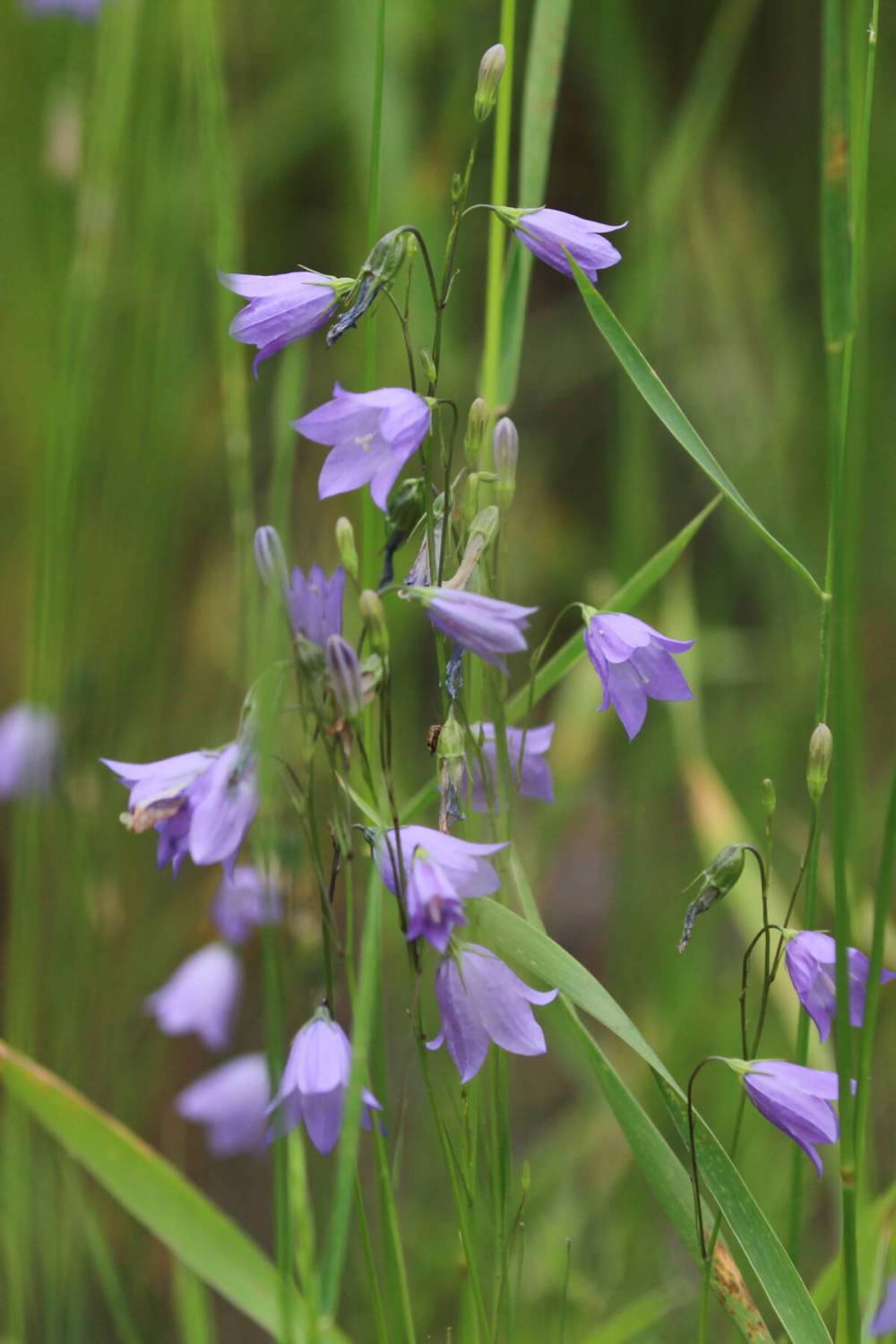
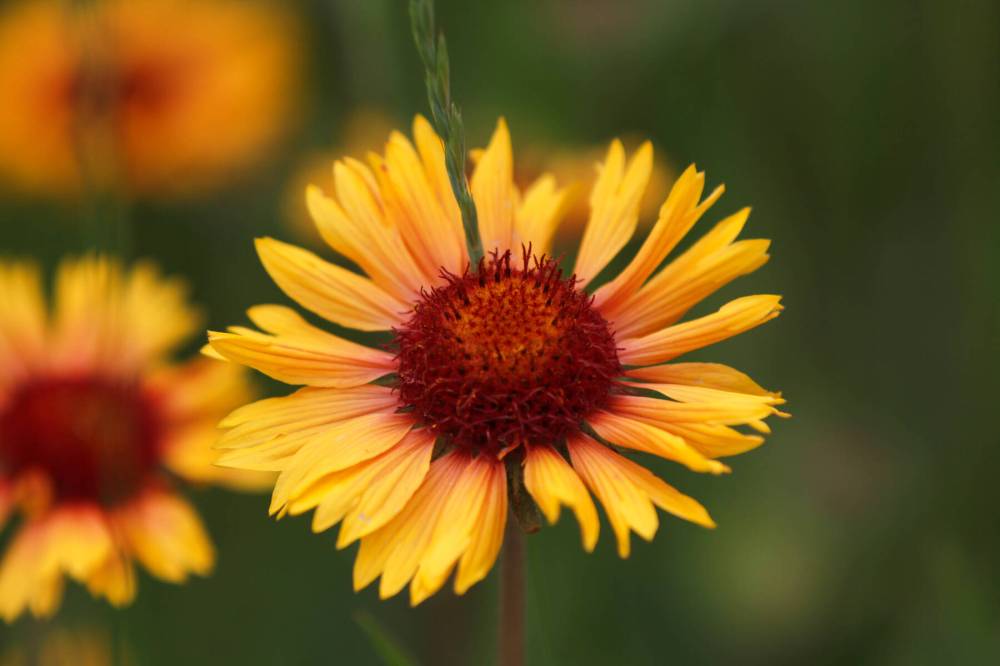
Several species of native flowers are in bloom this time of year. The harebell, featuring delicate bell-shaped purple flowers. The gaillardia flower, with its crimson centre and mustard yellow petals. And the black-eyed Susan, a prairie favourite.
These are just a few species the Winnipeg Wildflower Project aims to reintroduce to the city’s urban environments.
“One goal is to add diversity to the city, recognizing that there are really great opportunities for conservation in urban landscapes,” said Kelly Leask, founder of the Winnipeg Wildflower Project. (Leask owns Prairie Originals, a native plant nursery in East Selkirk.)
“It’s (the project) is also an opportunity to create interactive spaces where people can get to know native plants.”
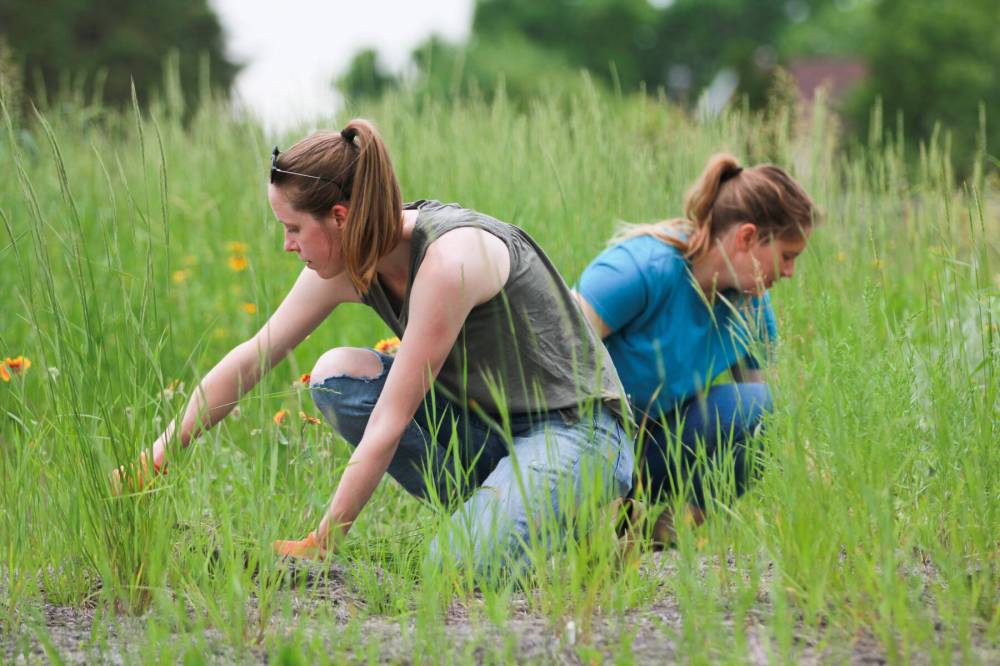
The group, co-ordinated by Nicole Webster, recently led a series of events at which the public was invited to plant and tend three native plant gardens.
On July 5, the group met near the active transport path at the north edge of Kiwanis Park in Transcona. The Winnipeg Wildflower Project planted this garden in 2021. Since then, it has matured and is already attracting insects, like butterflies.
The Bishop Grandin Greenway gardens — the group’s inaugural site — welcomed volunteers on July 6. Several years ago, the Winnipeg Wildflower Project designated 16 plots on this site, each home to a different native species.
“We decided to keep going after that,” Webster said. “We definitely have some people who started helping us in the first year that are still helping us now … We’ve had some good repeat volunteers.”
The group is responsible for leading similar gardens in Point Douglas and on Waterfront Drive near the Exchange District.
At press time, the Winnipeg Wildflower Project was set to host two planting events, one on July 9 and one on June 10, on Wellington Crescent. This garden is new. The group removed the sod that was on-site, recently had mulch delivered, and is now ready to plant.
“I wanted to spread the sites around the city so we’re accessing different neighbourhoods,” Webster said.
She explained that the Wellington Crescent garden, situated near Sir John Franklin Park, is a relatively untapped area in terms of large-scale native plant gardens. She anticipates the garden will get a lot of eyes on it.
“We typically just look for a good public location. Along active transport paths are great because people can stumble upon it and learn about native plants that way,” Webster said.
The Winnipeg Wildflower Project collects seeds from its native plants city-wide and redistributes them to community members. The goal? To help the population of original prairie species reach more corners of Winnipeg.
“We’re rewilding the city bit by bit,” Leask said.
The Winnipeg Wildflower Project is putting out a call for site leaders — residents who live near the public gardens and would like to help out.
“We want people to take ownership of the sites and feel like they can get involved,” Leask said. “That’s one of the magic things about gardening: gardens build community; they give people an excuse to connect.”
For more information about the Winnipeg Wildflower Project or to get involved, email winnipegwildflowers@gmail.com or visit www.winnipegwildflowerproject.ca
Katlyn Streilein
Katlyn Streilein was a reporter/photographer for the Free Press Community Review.
Our newsroom depends on a growing audience of readers to power our journalism. If you are not a paid reader, please consider becoming a subscriber.
Our newsroom depends on its audience of readers to power our journalism. Thank you for your support.
Katlyn Streilein
Katlyn Streilein was a reporter/photographer for the Free Press Community Review.
Our newsroom depends on a growing audience of readers to power our journalism. If you are not a paid reader, please consider becoming a subscriber.
Our newsroom depends on its audience of readers to power our journalism. Thank you for your support.
Advertisement Advertise With Us
Advertisement Advertise With Us