



So nothing gets left over
Leftovers Foundation, a national not-for-profit specializing in food rescue, looks to the home gardens

Advertisement
Hey there, time traveller!
This article was published 05/06/2024 (674 days ago), so information in it may no longer be current.
Gardening can be fun for a variety of reasons, whether it’s recreation or a source of homegrown food. But what happens when you’re left with too many greens to handle and no one to give them to?
Leftovers Foundation, a not-for-profit organization that currently operates in eight regions across Canada, intends to offer a solution over the summer with the return of its Home Harvest program.
The program, which is open to people with everything from a small farm to an apple tree, lets home gardeners orchestrate private “food rescues,” in which Leftovers volunteers will pick up unwanted food and deliver it to someone who may need it.
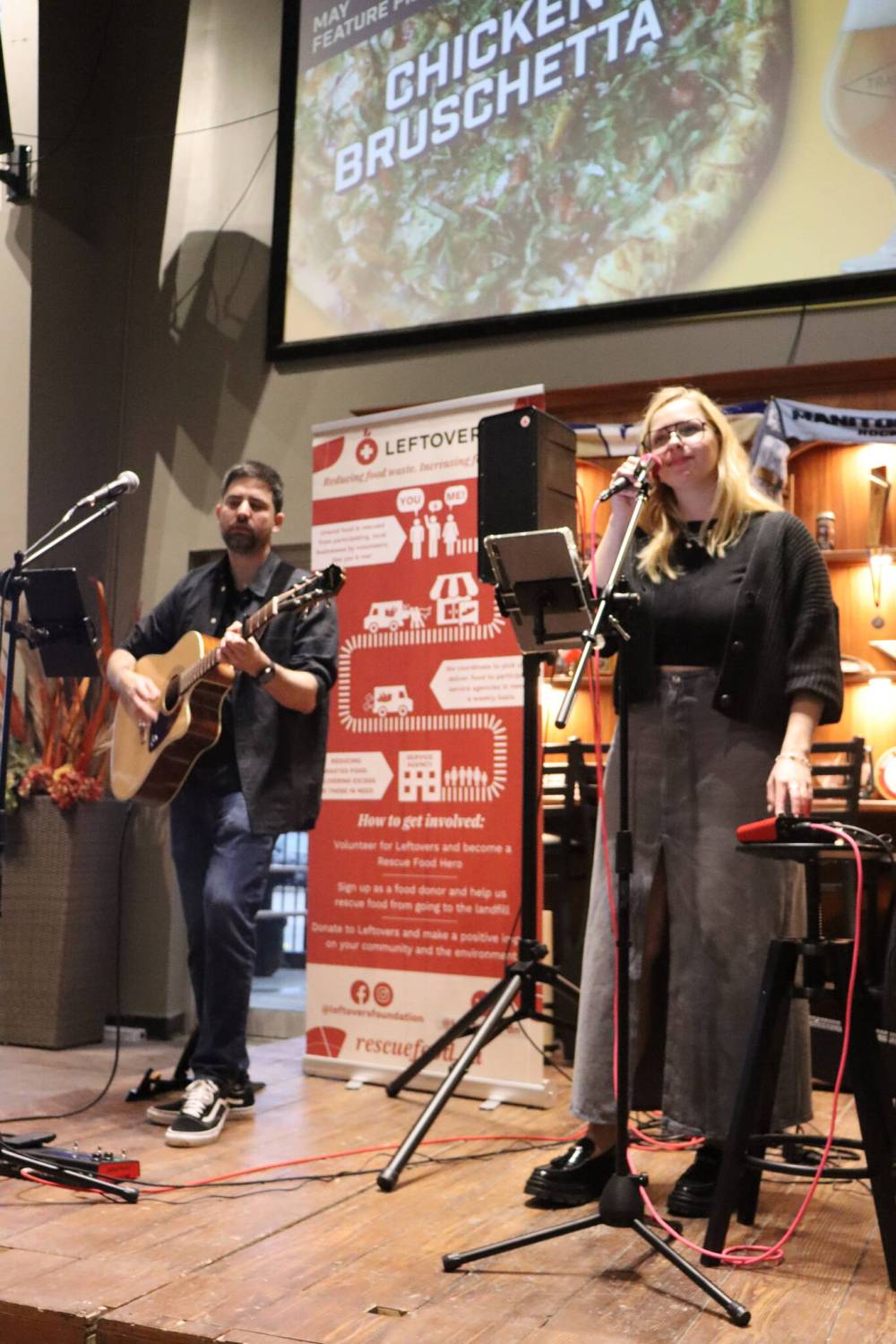
Leftovers Foundation has been active in Winnipeg for just four years, but has found it to be its biggest catchment area.
“Bread is one of the things we see a lot,” said Julia Kraemer, the Winnipeg-based operations manager of Leftovers Foundation, as well as “ugly foods” — cucumbers that are shorter than usual, for example — that can’t be sold in grocery stores.
Although Home Harvest is directed at people during gardening and harvest season, businesses are also encouraged to donate food year-round.
“So much food waste happens before it gets to the customers,” said Winnipeg city co-ordinator Alyssa Wolfe, noting that bigger corporations are often the hardest to form donor relations with.
“You can often pop into the (local) shop and they care a lot more,” she said. “But when it comes to corporate, you have to jump through hoops to get to the right person … and convincing them is hard.”
The Leftovers Foundation is open to any business selling food in a city in which it operates. There are no risks, and all that is required is that food is still ready to eat and packaged well enough for volunteer drivers to take away. The food is then taken to a non-profit food bank, such as Harvest Manitoba, and distributed to those in need.
The organization aims to not only decrease food waste but also to increase food access for those facing food insecurity every day, Kraemer said. It also aims to build lasting relationships with its regular donors, such as Red River Co-op, Peak of the Market, and RRC Polytech’s culinary program.
The Leftovers Foundation got its start from an initial food rescue of 200 pounds of bread from a local bakery in Calgary, Alta., Kraemer said.which brought the food to a local non-profit so people could benefit from it — rather than it just being thrown away.
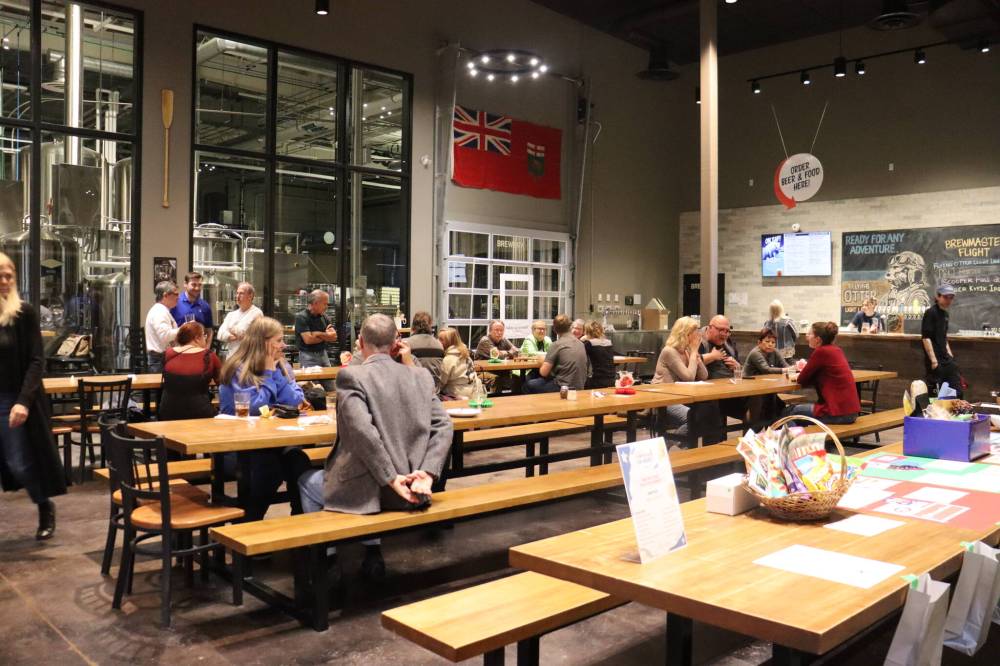
Photo by Emma Honeybun
Leftovers Foundation’s volunteer fundraiser last month. Currently, the food rescue non-profit operates in eight regions across Canada, with a 99 per cent completion rate.
It currently receives half of a million pounds of food in Winnipeg annually. All of the food donated is inspected by volunteers.
“There are always bad apples in a good bag, but we’re the ones who open the bag and see which of them are composted,” Kraemer said.
Food waste affects farmers, livestock, and the environment, Kraemer said.
“Food is love,” Kraemer said. “And so we share it.”
To learn more about Leftovers Foundation, how to donate, or how to volunteer, visit rescuefood.ca or download the Rescue Food app.
Our newsroom depends on a growing audience of readers to power our journalism. If you are not a paid reader, please consider becoming a subscriber.
Our newsroom depends on its audience of readers to power our journalism. Thank you for your support.
Our newsroom depends on a growing audience of readers to power our journalism. If you are not a paid reader, please consider becoming a subscriber.
Our newsroom depends on its audience of readers to power our journalism. Thank you for your support.
Advertisement Advertise With Us
Advertisement Advertise With Us