


Supporting harm reduction, saving lives
United Way Winnipeg donates grants of $75,000 to seven local organizations in support of addictions programming

Advertisement
Hey there, time traveller!
This article was published 18/12/2024 (614 days ago), so information in it may no longer be current.
United Way Winnipeg announced earlier this month that half a million dollars will be donated to organizations working to support individuals battling addiction in the city.
The money will be split into grants of $75,000 each, divided between seven different organizations: the Bruce Oake Recovery Centre; Canadian Mental Health Association (CMHA); Clan Mothers Turtle Lounge; Ka Ni Kanichihk; North End Women’s Centre; Sunshine House; and Two Ten Recovery.
The announcement from the national charity came as a response to the growing addictions crisis in Winnipeg. In 2023, data released by the office of the chief medical examiner revealed a dramatic surge in drug-related deaths in Winnipeg, 445 compared to 2020’s 372 — an average of more than one drug-related death a day.
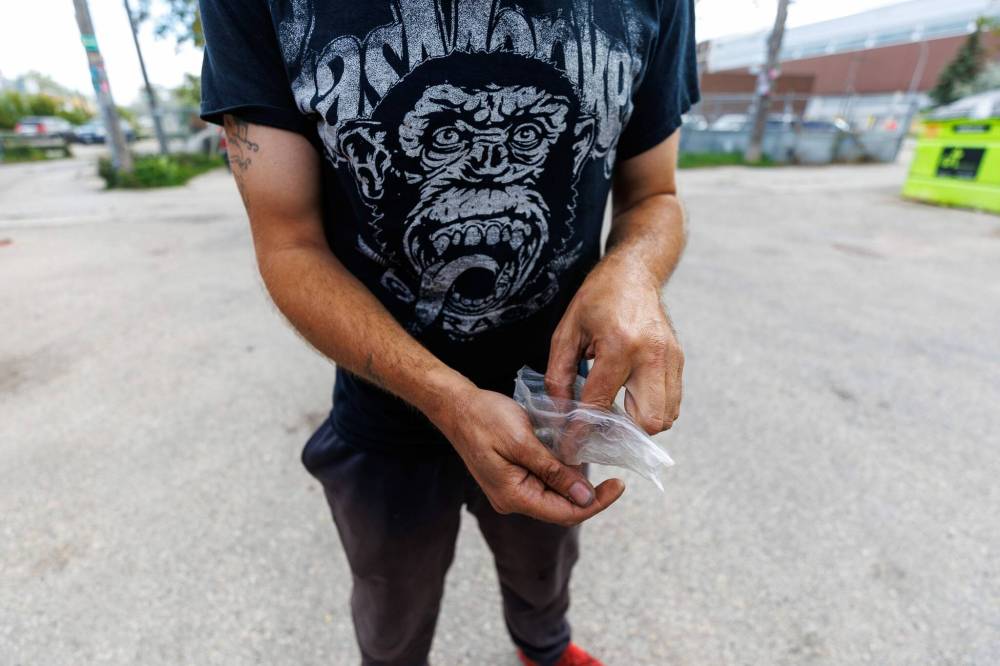
Free Press file photo
On Dec. 4, United Way Winnipeg donated grants of $75,000 to seven different organizations, done in support of programming directed at helping those battling addiction in the city. The funding came from a concerning jump in drugs-related deaths in the last four years, as well as a toxic drug surge resulting in an average of more than one drug-related death a day last year.
Some of the grants will fund organizations as a whole, others will focus on specific programming. One example of the latter is Sunshine House, which will allocate its funds to a developing project, the Bimosedaa program, which is expected to get rolling in 2025.
Through Bimosedaa, Sunshine House aims to increase the number of referrals into withdrawal management (detox) facilities, Rapid Access to Addictions Medicine (RAAM) clinics, and opioid replacement treatment options, explained James Lawrence, the Bimosedaa navigator at Sunshine House.
“Navigating the world of detox can be daunting at first, as there are not a lot of easily accessible resources available to those beginning this journey,” Lawrence said. “Going on this path alone can also be intimidating if you’re an Indigenous person or a member of the 2SLGBTQIA+ community, as there are different systemic and economic challenges in place.”
Lawrence also hopes to provide addictions-related support to “at least 15 self-identified members of the 2SLGBTQIA+ community,” they said. The program will follow up with individuals over the year, providing support when needed: “It will likely be on an individual basis rather than a one-size-fits-all approach, as everyone and their needs look different.”
“I am … approaching this role under a unique, more personal lens with the community I am serving,” they said, referring to the fact that they are Indigenous and Two-Spirit.
Lawrence was hired in early December, and is excited to see the program develop.
The North End Women’s Centre will also fund a specific program, its weekly Come As You Are drop-in service, which takes place every Thursday at 1:30 p.m.
The Come As You Are program helps support people at every stage, said Cynthia Drebot, NEWC executive director, and provides space to communicate and lessen the alienation that comes with struggling with harmful substance abuse. While groups such as Alcoholics Anonymous are very scheduled, Come As You Are lets its participants facilitate the afternoon, while staff provide support from the sidelines. This means the meetings are done in a way that’s entirely dependent on the people there.
“For some people, it means reducing their use, and for some people, it means using in a safer way, so that they are less exposed to higher-risk situations,” she said. “It’s a totally different world now.
“Ten years ago, if you were in a situation of potentially having an overdose from drugs, it was usually because you took too much, right? It’s not about that anymore.”
Nobody using drugs is doing so to die, she said, and having a space to talk about using openly can help people avoid toxic drugs and spread awareness. Even more, it can help people cope with the grief of losing friends and loved ones to overdose in the past.
Come As You Are also gives participants a way to attend advocacy rallies and participate in cultural ceremonies. Staff help with one-on-one counselling and co-ordination when participants feel they are ready to attend detox — similar to the Bimosedaa program — which can often be the hardest part.
“It’s very, very difficult to get into detox and treatment these days,” Drebot said. “There just aren’t enough options and possibilities. You have to be ready to go and stand in that line, at that specific place, at that specific time … that’s the part that we need more support (around), funding to support people to get to those things when they’re ready.”
For more information, visit the ‘news and stories’ tab on United Way Winnipeg’s website, unitedwaywinnipeg.ca
Our newsroom depends on a growing audience of readers to power our journalism. If you are not a paid reader, please consider becoming a subscriber.
Our newsroom depends on its audience of readers to power our journalism. Thank you for your support.
Our newsroom depends on a growing audience of readers to power our journalism. If you are not a paid reader, please consider becoming a subscriber.
Our newsroom depends on its audience of readers to power our journalism. Thank you for your support.
Advertisement Advertise With Us
Advertisement Advertise With Us