


Indigenous music festival returns

Advertisement
Hey there, time traveller!
This article was published 15/06/2022 (1427 days ago), so information in it may no longer be current.
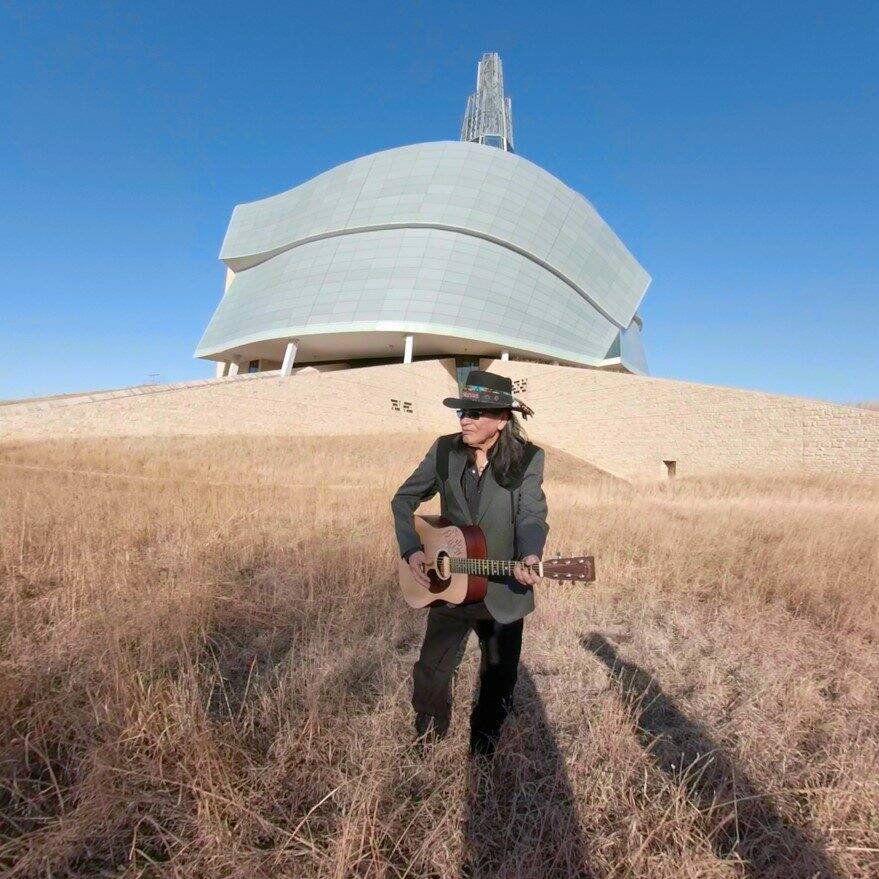
The songs and sounds of Indigenous musicians such as “The King of the North” Ernest Monias, sunsetto, and Tia and Fawn Wood, will soon be resonating through the streets of Winnipeg, as the sakihiwe festival gears up for a return to in-person concerts after two years of online programming.
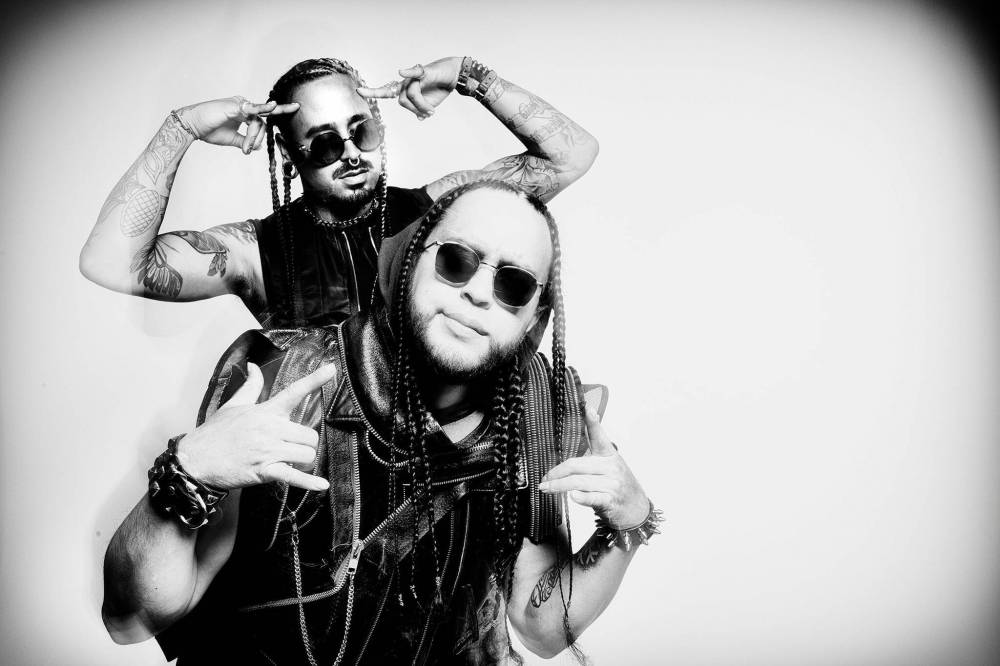
The festival begins June 23 at the Pyramid Cabaret, where the Snotty Nose Rez Kids will headline, before moving outdoors June 24 to 26 for three days of street festivals.
“It’s really exciting to be back,” said Alan Greyeyes, festival director. “Online, we can definitely reach a larger audience … but the thing is, our main goal is to connect with Indigenous families in Winnipeg’s core.”
Greyeyes said some of that demographic may have had a hard time accessing technology during the pandemic, so the festival “fell short on that goal” for the past two years.
But with strong core funding for this year’s revival festival is ready to make up for lost time in a big way, Greyeyes said.
Free street festivals will go down at Central Park, Selkirk Avenue and Ellice Avenue featuring over 20 Indigenous artists — some of whom are well known while others are just starting to make their mark on the scene.
Greyeyes said the festival aims to give a boost to artists.
“We position ourselves as a launchpad for new Indigenous voices and music. So, we have a lot of new and emerging artists,” he said.
Among others, Greyeyes offered The Halluci Nation, formerly called A Tribe Called Red, as an example. The group played the festival multiple times on its way to notoriety and two Juno Awards.
“I pride myself in the fact that we can no longer afford to present these artists because they’re so successful,” he said.
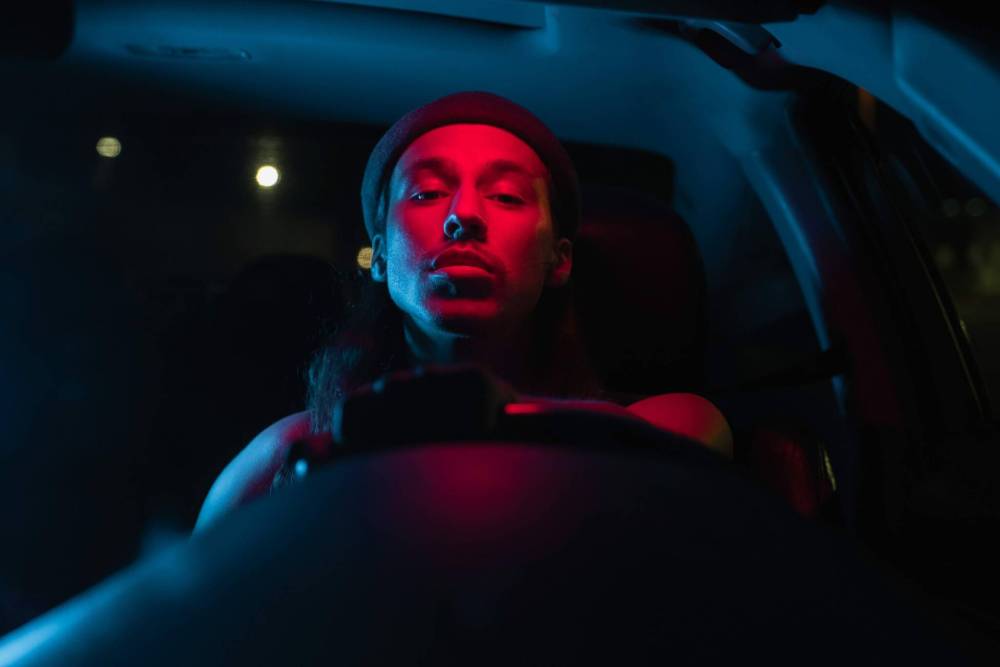
Greyeyes expects sunsetto, who is working with the same management team as Jessie Reyez, will rise to international success after this year.
“I’m looking forward to seeing him perform,” the festival director said.
Besides providing a platform for artists, the festival also serves another important function, Greyeyes said.
“Growing up, I didn’t see a lot of examples of Indigenous people doing great things with their lives,” he said. “So, what I really hope to see this year, and what we’ve seen in the past, is that look in the eyes of Indigenous kids when they realize that stereotypes actually have no truth and that they can do anything with their lives. They can be artists. They can be more than the criminals they see on television or anything else that we’ve been limited to in the past.”
Greyeyes said he’d like to see a greater network of Indigenous music festivals from coast to coast, similar to the folk festival circuit, that can band together to support Indigenous artists. Too often, Indigenous peoples “get lumped into diversity and inclusion programs,” despite occupying a “unique space and position in Canada,” he said. He called for greater support to create the network of music festivals.
Visit www.sakihiwe.ca for more information.
Cody Sellar
Cody Sellar was a reporter/photographer for the Free Press Community Review.
Our newsroom depends on a growing audience of readers to power our journalism. If you are not a paid reader, please consider becoming a subscriber.
Our newsroom depends on its audience of readers to power our journalism. Thank you for your support.
Cody Sellar
Cody Sellar was a reporter/photographer for the Free Press Community Review.
Our newsroom depends on a growing audience of readers to power our journalism. If you are not a paid reader, please consider becoming a subscriber.
Our newsroom depends on its audience of readers to power our journalism. Thank you for your support.
Advertisement Advertise With Us
Advertisement Advertise With Us