


Tendon problems can be solved
Advertisement
Hey there, time traveller!
This article was published 14/07/2015 (4018 days ago), so information in it may no longer be current.
Tendons and ligaments are essential; they help maintain stability and flexibility. This is most evident in young foals. Our foaling season is coming to an end in Manitoba but it is still a good time to review the issues surrounding foals with contracted tendons.
In a previous article (“Watch for crooked legs in new foals,” May 20, 2015), I discussed the condition that results in crooked legs in foals and this article will cover the other significant problem that can develop with foals’ legs — flexor tendon contracture.
The conditions that make this favourable are a large fetal size compared to maternal womb size. In these foals, the soft tissues (tendons and ligaments) do not develop appropriately or at the same rate as the bones develop. The result is very tight flexor tendons down the back of the legs (usually the forelimbs) that cause flexion of the fetlocks and coffin joint into an upright position.
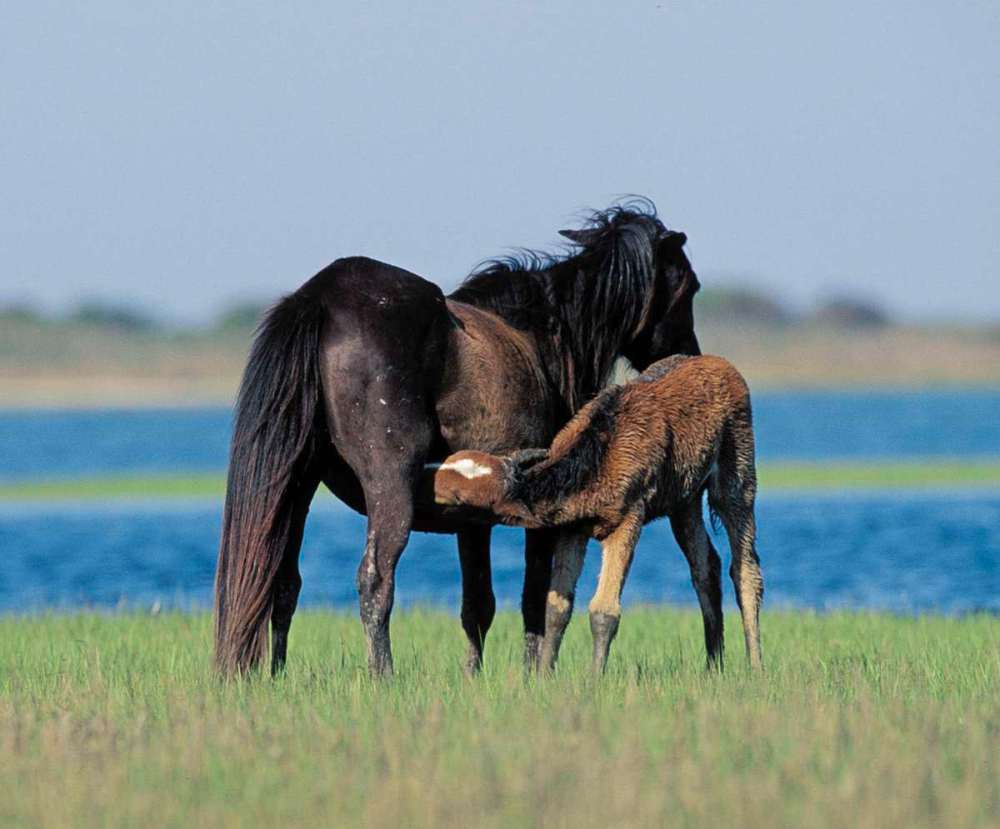
Dealing with flexor tendon contracture can be as simple as getting the foal out and moving around with the mare in pasture.
Movement will help stretch the tendon fibres and allow the fetlocks to drop into a more normal position. In some cases more intervention is needed — this may include splints or an injection of a specific medication to allow the tendons to relax.
These treatments are often most successful when completed within the first four weeks of life. In more severe cases, surgery on the tendons will be performed to release the tension and allow the tendons to relax and lengthen. Working closely with an experienced equine veterinarian is important in making these decisions
With flexor contracture, understanding the reason for the problem is the important part of finding the solution. Controlled exercise is a must and limiting foals to brief periods of exercise will ensure that fatigue does not set in.
Fatigue can result in delay or even failure to appropriately correct the problem. Foals may also need to have pain management, particularly with contractures, to ensure that they can complete their daily physical therapy.
Anti-inflammatory medications specicifically for foals are best. An equine vet is your best resource when dealing with these issues and will be able to give your foal the best chance for full recovery.
Chris Bell is an equine veterinarian and surgical specialist who operates Elders Equine Veterinary Service, with clinics in Cartier and Winnipeg. See www.eldersequineclinic.com