


Doctor sheds light on harmful designer drugs

Advertisement
Hey there, time traveller!
This article was published 20/07/2018 (3009 days ago), so information in it may no longer be current.
Warning! New versions of highly potent, unpredictable and deadly so-called “designer drugs” are hitting the streets of our community every year.
Last month, Dr. Sheri Fandrey of the Addictions Foundation of Manitoba described current drug trends and risks at a public lecture at the Millennium Library.
“About 100 new designer drugs are introduced to market every year,” Fandrey said.
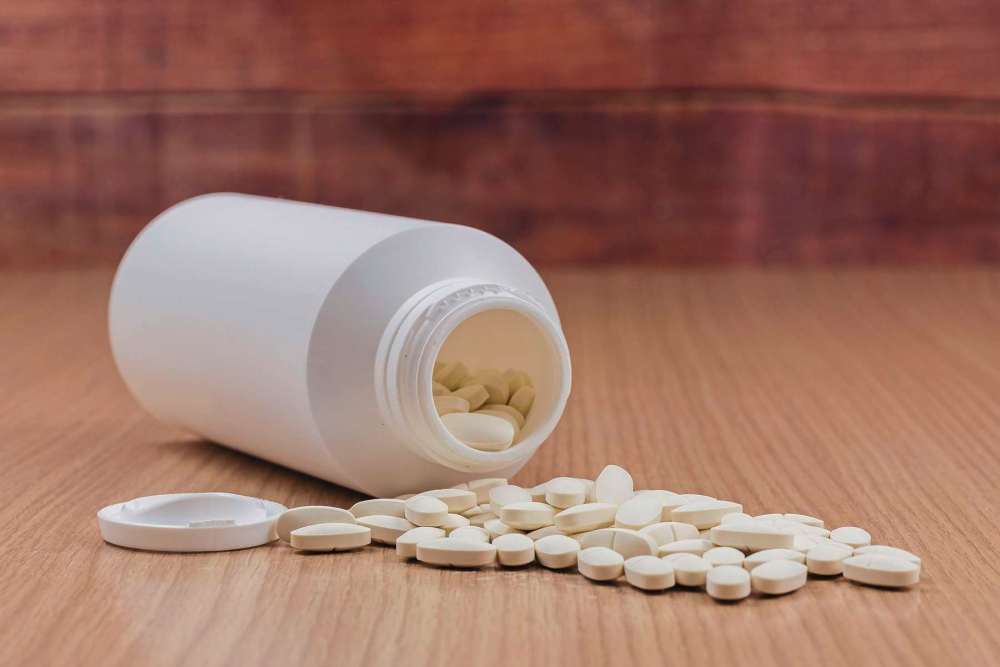
Designer drugs are synthetic imitations of psychoactive drugs, down to their exact appearance. They are much more potent and have unusual and frequently lethal side effects.
Illicitly produced, they imitate drugs from every psychoactive class, including opioids (such as morphine or fentanyl), stimulants (designer cocaine is “bath salts”), cannibinoids (synthetic marijuana) and the classic hallucinogens.
The majority of such drugs were developed for legitimate research purposes. Unethical chemists began producing them for the black market when their formulations were discovered as research was published.
Produced cheaply in vast quantities in “superlabs” concealed within immense manufacturing districts of southeast Asia, they are sold via the internet’s “dark web” where encrypted software makes police tracking difficult.
Some designer drugs end up for legal sale when they are marketed as something else.
In the U.S. synthetic cannibinoids (marijuana) are sometimes sold as incense. Packages contain plant material sprayed with chemicals. Some products may find their way to local head shops or can be purchased on the regular internet.
“It is not THC (the psychoactive chemical in marijuana) that is in these products,” said Fandrey who is a clinical professor of pharmacology at the University of Manitoba.Instead, she said, they contain dozens to hundreds of synthetic chemicals up to hundreds of times stronger than cannabis and bearing little resemblance to it. Agitation, extreme paranoia, psychosis, a distressing inability to speak or feel pain, and deaths have been reported as a result of synthetic cannabis, and other drug imitations.
“Molly” is a designer drug once known as ecstasy. It was again rebranded as MDMA after its scientific name and later reintroduced as a snowy white powder sold in plastic bags instead of tabs. Some believed its appearance proved its purity. It is considered one of the most adulterated illicit drugs on the planet.
Fandry say imitation Xanax has surfaced, with reports it is cut with fentanyl, whose potency kills.
“Taking street drugs today is like playing Russian Roulette,” Fandrey said.
Shirley Kowalchuk is a Winnipeg writer who loves her childhood home of East Kildonan where she still resides. She can be reached at sakowalchuk1@gmail.com
Shirley Kowalchuk
East Kildonan community correspondent
Shirley Kowalchuk is a Winnipeg writer who loves her childhood home of East Kildonan, where she still resides. She can be reached at sakowalchuk1@gmail.com
Our newsroom depends on a growing audience of readers to power our journalism. If you are not a paid reader, please consider becoming a subscriber.
Our newsroom depends on its audience of readers to power our journalism. Thank you for your support.
Shirley Kowalchuk
East Kildonan community correspondent
Shirley Kowalchuk is a Winnipeg writer who loves her childhood home of East Kildonan, where she still resides. She can be reached at sakowalchuk1@gmail.com
Our newsroom depends on a growing audience of readers to power our journalism. If you are not a paid reader, please consider becoming a subscriber.
Our newsroom depends on its audience of readers to power our journalism. Thank you for your support.
Advertisement Advertise With Us
Advertisement Advertise With Us