


Keepers of a rich history

Advertisement
Hey there, time traveller!
This article was published 12/02/2016 (3893 days ago), so information in it may no longer be current.
Le Musée de Saint-Boniface Museum might just be one of southeast Winnipeg’s best-kept secrets.
Not that it’s deliberate — it’s just that many city residents may not know the museum, located at 494 Tache Ave., exists in its current form.
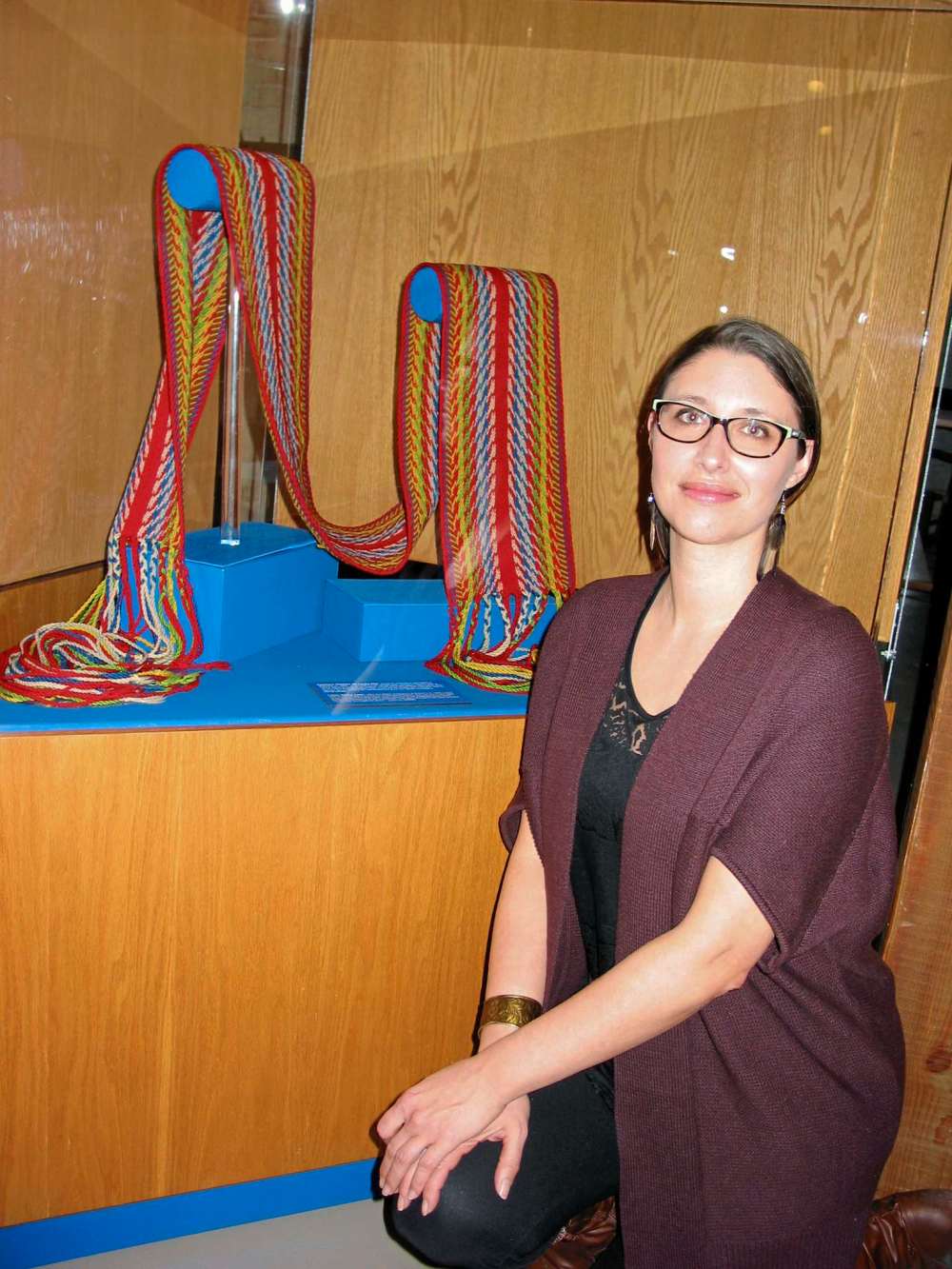
“So many Winnipeggers say to me they can’t believe we’re here when they find out, as many people will zip through the city without noticing us,” said Vania Gagnon, 38, the museum’s director.
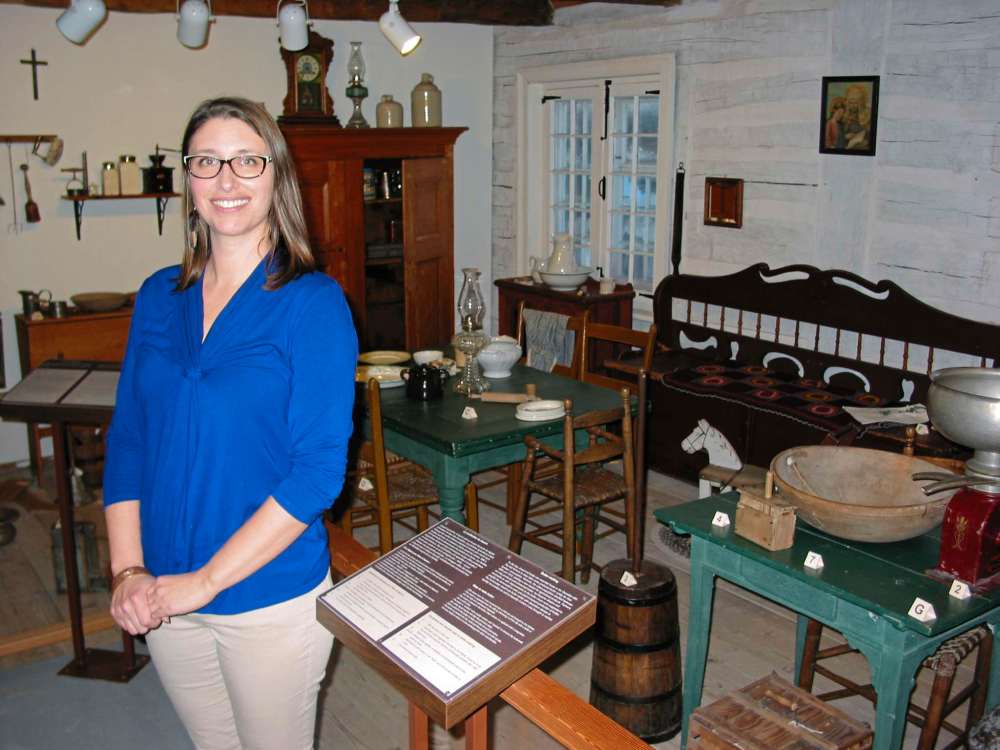
Gagnon, who took over from former director Philippe Mailhot when he retired in late 2014, was speaking to The Lance in the run-up to Festival du Voyageur, when the spotlight of celebration shines on St. Boniface’s rich heritage, history and culture.
She said the museum welcomes lots of visitors during the summer months, especially people travelling in from out of town, as well as many visitors from Quebec. The historic site is also a big draw with schools and universities.
“What we’ve tried to do is engage with the community, offer diversity in our programming and create a connection,” Gagnon said, noting the museum actively participates in cultural events such as Doors Open Winnipeg and Culture Days Manitoba, as well as a series of summer day camps for kids.
One such current example of community engagement is being held in collaboration with Union nationale métisse Saint-Joseph du Manitoba.
Until March 23, the museum is housing Aanji Maajitaawin — Revitalizing Traditional Art, an exhibit of artwork by Anishinaabeh-Odawa artist Dolorès Contré Migwans. The exhibit is showcasing the artist’s unique porcupine quill embroideries on handmade birch bark paper, which are the result of the artist’s explorations with traditional techniques combined with contemporary mixed media. As well, there will also be quillwork demonstrations at the museum from 4 p.m. to 7 p.m. until Feb. 19.
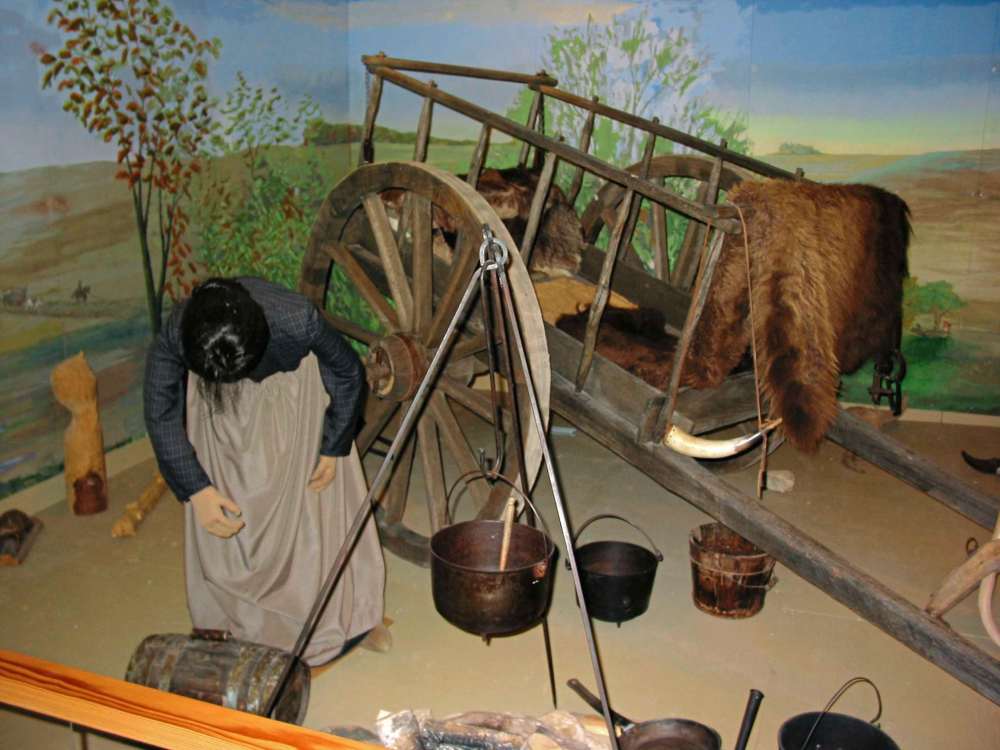
“The artist will be on site and demonstrating her quillwork. We’re very happy to be sharing this knowledge of the past with the public. It’s a great opportunity,” Gagnon said.
The museum was also open on Louis Riel Day (Feb. 15), when visitors could take part in a leather bracelet stamping activity, and there was also guest speaker sessions. Speakers included Justin Johnson, who discussed Riel’s writing and questionned if they amount to a political philosophy; Dolores Gosselin, who talked about Métis stories and Legends in French; and Philippe Mailhot, who spoke about the evolution of the Riel exhibit. There was also a musical guest, with Véronique Demers entertaining visitors by playing the fiddle.
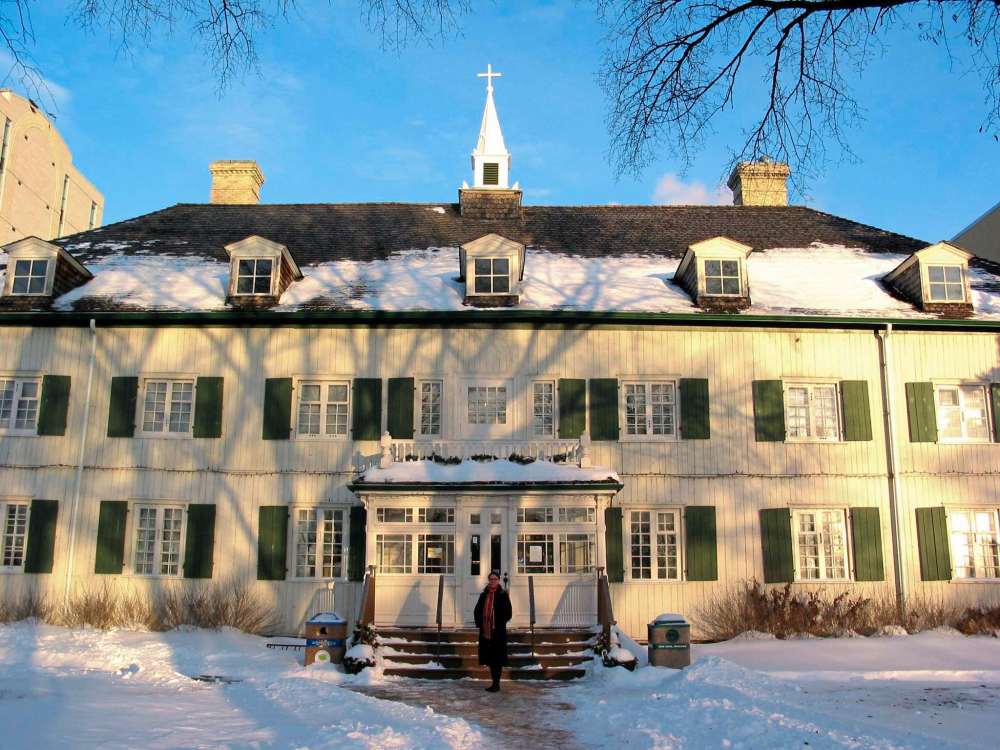
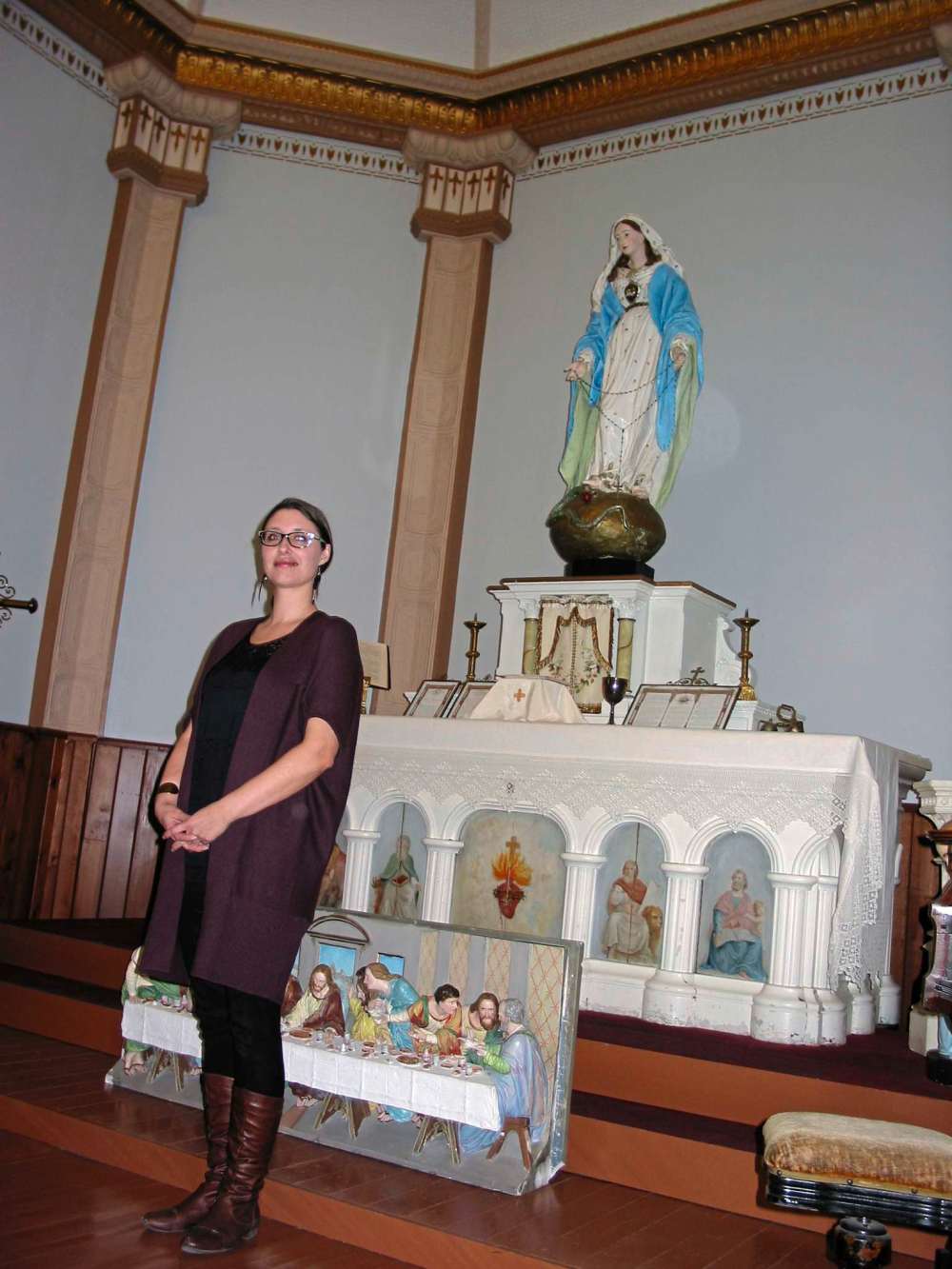
Turning back the hands of time, the museum has a storied history, which began when the Grey Nuns arrived in the area in 1844. Originally a convent for the nuns, the building took five years to construct, and some of the original wood beams still remain today.
“It was built with the idea that the nuns would be housed here and would also be attracting other nuns to the area. As well as the religious aspect, their mission was to serve those in need. In the beginning, think settlers, think families in need, think education and think health care. St. Boniface Hospital is the biggest testament to that,” Gagnon said.
“The building itself is our most prized artifact. By definition, we’re surrounded here by objects and our heritage and all of the objects tell a story. The biggest prize is the building, as it’s an amazing feat. And it’s amazing to think that there was never a fire, as there were once 17 wood stoves in here. It’s a place to tell stories and a place that tells its own story. There’s something about walking through the building, as you can hear it creaking and you feel it.”
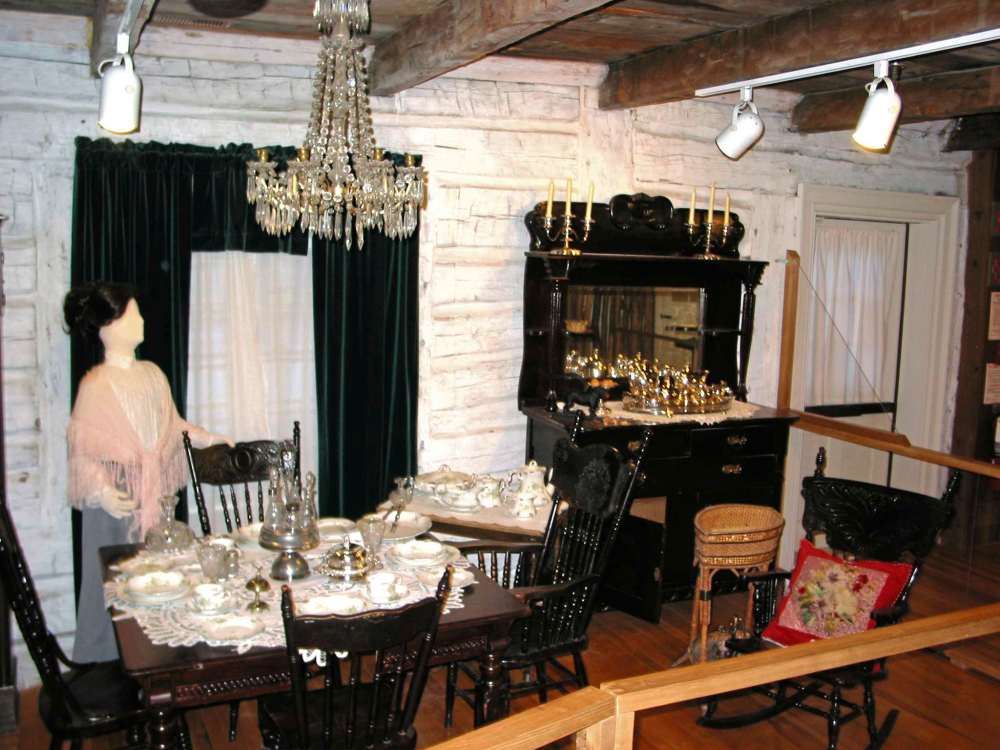
At the heart of the museum is the story of the much-talked-about figure of Louis Riel.
“It’s a tragic story, an epic tale of social progress versus changing times,” Gagnon said.
“The creation of Manitoba was monumental, when 10,000 people living here felt compelled to stand up and see something happen. As we’re now living in an era of truth and reconciliation, in terms of certain current events and dialogue, we’re perhaps getting the chance to revisit history through new lenses.”
Gagnon said the museum houses the largest of collection of Riel’s belongings, which include Riel’s Métis sash, a cotton cap used to cover Riel’s face during his execution and a wooden coffin used to transport Riel from Regina to St. Vital.
“People can get emotional when they see these artifacts,” she said. “He was this big hero, a spokesperson here for what the people wanted. He had a vision for the province. The museum is a flagship when it comes to the creation of the province.”
In all, Gagnon said, the museum houses around 3,000 exhibits, with another 27,000, give or take, kept at two secure off-site storage facilities.
According to the museum’s website, the museum’s board, which was first established by the City of St. Boniface in 1959, now functions under the authority of the City of Winnipeg and has numerous funding sources. The museum opened to the public in 1967.
Charités Despins, which currently manages Villa Aulneau and Résidence Despins in St. Boniface, is the legal entity to which the museum and the city are accountable to in terms of the lease for the land and property at 494 Tache Ave., Gagnon said.
Go online at msbm.mb.ca to learn more.
simon.fuller@canstarnews.com
Facebook.com/TheLanceWPG
Twitter: @lanceWPG
Our newsroom depends on a growing audience of readers to power our journalism. If you are not a paid reader, please consider becoming a subscriber.
Our newsroom depends on its audience of readers to power our journalism. Thank you for your support.
Our newsroom depends on a growing audience of readers to power our journalism. If you are not a paid reader, please consider becoming a subscriber.
Our newsroom depends on its audience of readers to power our journalism. Thank you for your support.
Advertisement Advertise With Us
Advertisement Advertise With Us