



Leverage green infrastructure – say what?

Advertisement
Hey there, time traveller!
This article was published 17/03/2021 (1829 days ago), so information in it may no longer be current.
A few weeks ago, sewage spilled onto the Assiniboine River. It ruined a community skating rink. The incident was a stark reminder that Winnipeg’s sewer system is outdated.
For large numbers of people to live together, cities need systems to handle power, water, transportation, communication, and waste. Historically, these systems were built with concrete and steel. Roads, bridges, power lines, cell towers, and sewer pipes are all part of a city’s grey infrastructure.
Grey infrastructure is expensive. Concrete and steel eventually fail and they must be replaced. Winnipeg is outgrowing its aging infrastructure. Much of the city is served by an old combined sewer system. Separating sewer pipes from stormwater pipes will be expensive and unsustainable.
Winnipeg has a huge infrastructure deficit. It will cost $6.9 billion to fix old infrastructure and build new infrastructure to meet future needs. How this will be done is laid out in a variety of planning documents. Will we continue to use grey infrastructure? Or, will we embrace green solutions?
OurWinnipeg 2045 states an intent to leverage green infrastructure. What does this mean in plain English? It means harnessing nature to build a better city. It means using natural systems (forests, parks, wetlands, and prairie), instead of concrete and steel, to solve problems created by increasing density. Here is one example:
Problems: Outdated and undersized pipes, basement flooding, sewer backups, combined sewer overflows
Grey infrastructure solutions: New pipes, underground tanks to hold stormwater
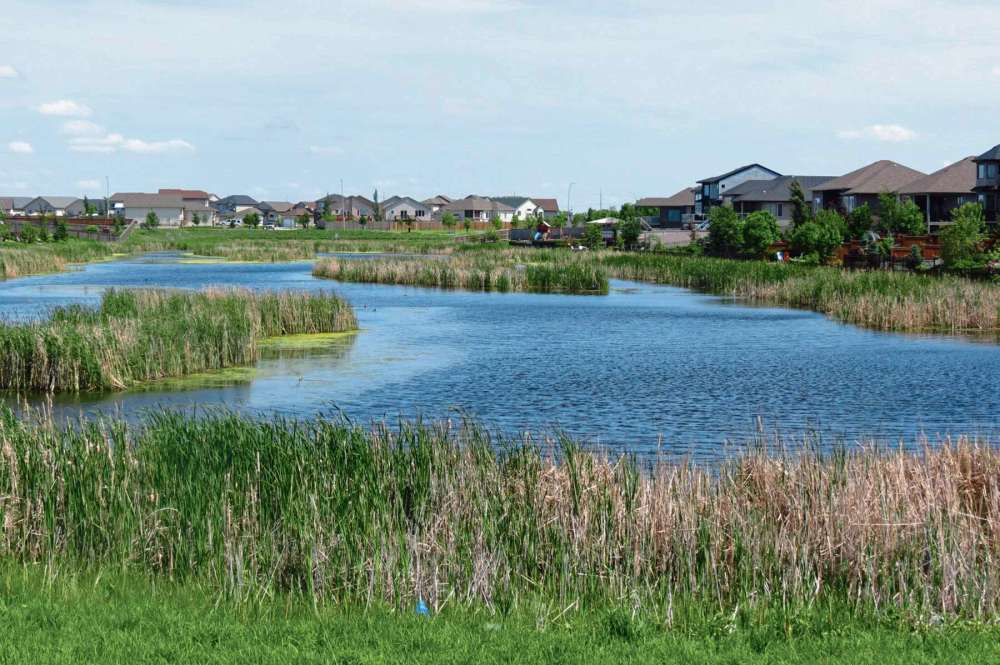
Green infrastructure solutions: Bio-swales, constructed wetlands, rain gardens, green roofs, parks
Embracing green infrastructure makes economic sense. It can save millions of dollars and attract new investment.
Atlanta saved $16 million when it used green infrastructure to manage stormwater. It built a Stormwater Park ($24 million) instead of an underground tank ($40 million). The park holds up to five million gallons of stormwater during rain events. At other times, residents enjoy trails, greenspace, and an amphitheatre. The park attracted $500 million of private investment on the adjacent land.
Chicago used green infrastructure to divert over 70 million gallons of rain from its sewer system. This reduced sewage overflows into the river.
Winnipeg has an important decision to make. Green infrastructure requires space. Although OurWinnipeg 2045 states an intent to go in this direction, Complete Communities 2.0 enables a reduction of green space.
Winnipeg’s parks, golf courses, and greenways are not luxuries. They are essential green infrastructure for a 21st century city.
Michele Kading is a community correspondent for St. Vital and the executive director of Save Our Seine.
Michele Kading
St. Vital community correspondent
Michele Kading is a community correspondent for St. Vital. She is also the executive director of the Association of Manitoba Museums.
Our newsroom depends on a growing audience of readers to power our journalism. If you are not a paid reader, please consider becoming a subscriber.
Our newsroom depends on its audience of readers to power our journalism. Thank you for your support.
Michele Kading
St. Vital community correspondent
Michele Kading is a community correspondent for St. Vital. She is also the executive director of the Association of Manitoba Museums.
Our newsroom depends on a growing audience of readers to power our journalism. If you are not a paid reader, please consider becoming a subscriber.
Our newsroom depends on its audience of readers to power our journalism. Thank you for your support.
Advertisement Advertise With Us