



Be prepared to fight off back-to-school cold viruses
Advertisement
Hey there, time traveller!
This article was published 07/08/2013 (4654 days ago), so information in it may no longer be current.
School bells are ringing and it’s back to school time for students.
While you’ve spent weeks picking up new clothes and supplies, you may also pick up something you didn’t want this season — the dreaded cold virus. When students are back in class and in close contact to so many people, viruses like the common cold spread quickly. This can eventually hit the rest of the family, resulting in a household full of runny noses, coughing and congestion.
For many of us, this is simply a nuisance. But for those with respiratory illnesses, like asthma and chronic obstructive pulmonary disease (COPD), which includes
emphysema and chronic bronchitis, a common cold can trigger an attack which can be serious and may lead to hospitalization.
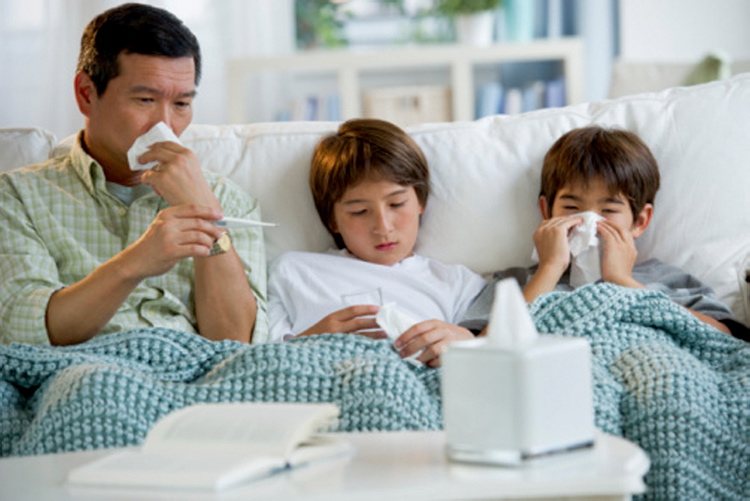
To keep you and your family healthy this September and beyond, follow these easy tips:
• Reduce the chances of getting an
infection with regular hand washing and by using hand sanitizer on the go.
• Keep your immune system strong by staying in shape, eating well and getting enough sleep.
• If you have asthma, make sure you take your medication(s) as prescribed by your doctor to maintain control of your condition and reduce your risk of an asthma attack. This means taking your daily maintenance medication even if you are not having any asthma symptoms.
• If you suffer from COPD and notice any significant changes like increased coughing, wheezing or an unusual change in phlegm, contact your physician. Discuss your worsening symptoms and also ask if your medication dosages need an adjustment.
—www.newscanada.com