


Health Links – Info Santé celebrates 20 years
Provides health info, resources to callers
Advertisement
Hey there, time traveller!
This article was published 23/09/2014 (4410 days ago), so information in it may no longer be current.
When you need information or resources to deal with health problems, who you gonna call?
In Manitoba, you’d call Health Links – Info Santé.
Health Links, a health information contact centre operating out of Misericordia Health Centre (99 Cornish Ave.), celebrated its 20th anniversary this past July 26.
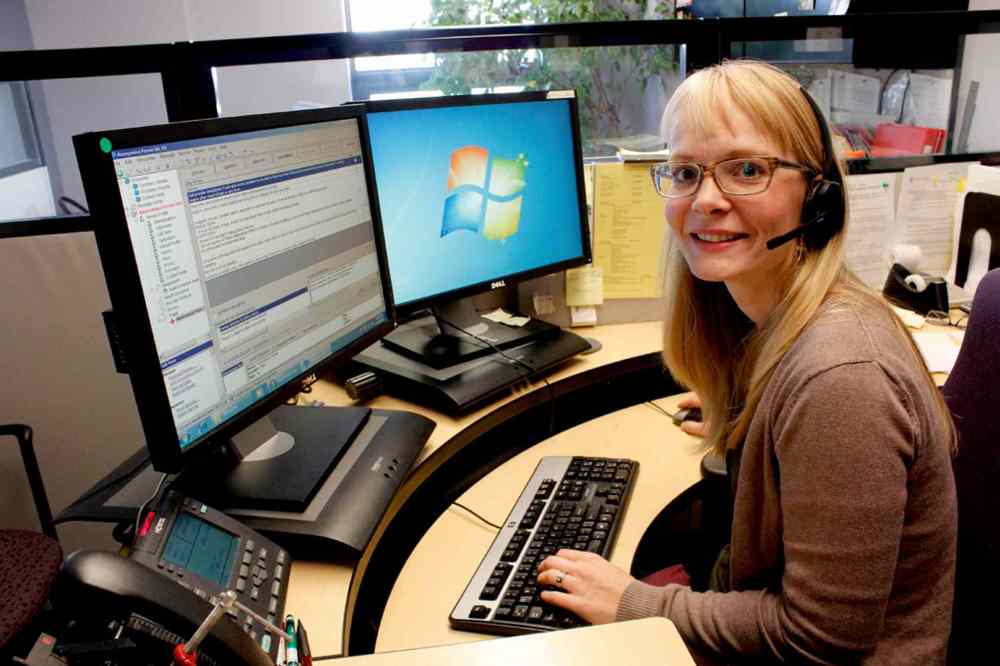
Twenty years ago, the service was delivered in a small room the size of a broom closet, and only a couple of nurses worked there. Two decades ago, it involved nurses making outbound calls, phoning patients who had left the emergency room. From there, it became a program whereby nurses triaged people calling with symptoms, recommending advice based on the information provided by the callers.
Talia Martens, registered nurse and current team leader at Health Links, said the latter part of the program’s name recognizes that the organization provides French services as well.
“Health Links takes calls from citizens in Manitoba, anyone that’s having any kind of symptoms, health questions, concerns,” Martens said.
“They can give a phone call to us, and there’s nurses here 24-7 to answer the calls to talk through the concerns, to do some assessment, and then basically give advice based on the information we’ve collected from those callers.”
The 58 nurses who now work at Health Links are also required to screen callers who may be phoning in with dire health issues.
Martens said sometimes callers don’t know the difference between a 911 call and a Health Links call, so nurses must quickly figure out which calls are more serious.
“We do have people that call in describing symptoms of a heart attack and if that’s the case then we advise them to hang up with us and call 911,” said Myles Duff, manager of clinical services for Health Links.
“If they’re unable to do that on their own then we have a method of linking with 911 and we could transfer the call to the operator, and they will take over that call for us.”
Health Links is a more evolved, computerized service than it was when it began.
Martens demonstrated what a typical phone call is like for The Metro.
Wearing a headset, sitting at a desktop computer, Martens explained the first thing nurses do is introduce themselves.
“We say, ‘Hi, you’ve reached a registered nurse. This is Talia. How can I help you?’” Martens explained.
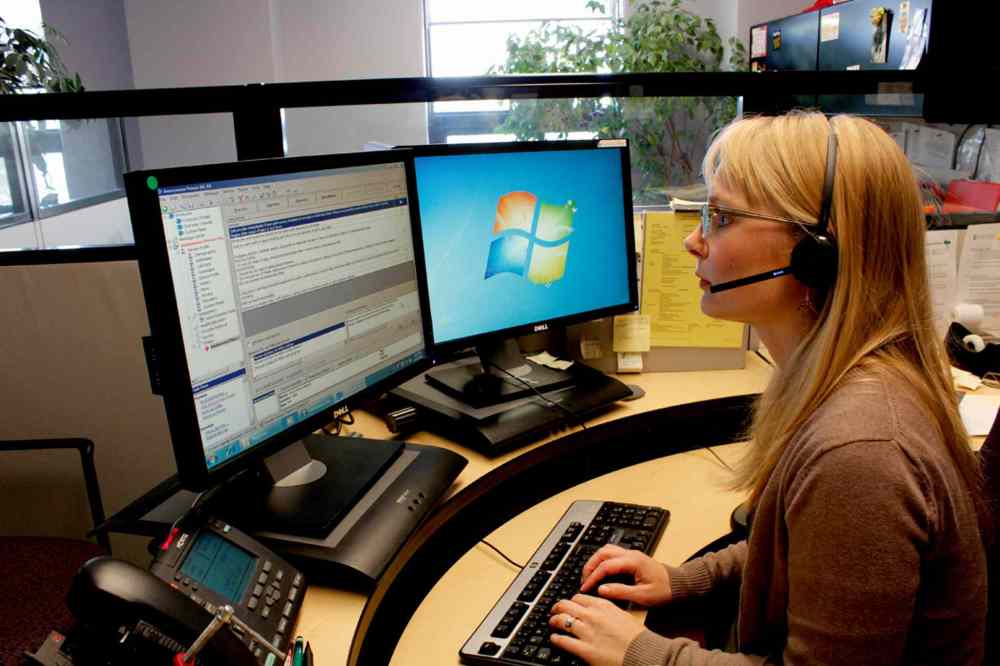
Martens then opened up an “encounter” in the Health Links program on the computer in which she can type up the information from the call.
Martens starts by asking general questions provided by the program.
“We go with, ‘What’s the concern that (you’re) having?’” Martens said. “Someone will say ‘Abdominal pain, it started two days ago, it’s been constant, getting worse.’”
Martens said nurses then press for more information by asking if there’s anything else happening.
“They might say, ‘There’s nausea, I’ve vomited,’” Martens said.
Martens said each of the questions nurses ask are incredibly thorough and detailed, which may seem invasive, but operators have to make up for the fact that they can’t see patients in person.
“If they have diarrhea, we’re pretty detailed. (We’ll ask) what colour it is, what consistency it is,” Martens said.
Martens said nurses will sometimes ask the caller to participate in their own check-ups. For example, hypothetical patients with abdominal pain, Martens might be asked to lay down and feel their stomachs.
“Is it tender? Hard? Soft? Does it look swollen?” Martens listed.
Nurses also ask callers the same questions a doctor might upon first seeing a patient in his or her office — they try to get a family history of illness or smoking/drug use, recent surgeries, food allergies, and so on.
In short: the more information the nurses can gather, the better.
“Then we go into a triage — it’s going to look at all these things I typed in my assessment,” Martens said.
The computer program provides a lot of information but nurses must use their own insight and knowledge to figure out the issue.
In the past, the nurses wrote down patient info by hand before electronically transcribing their notes.
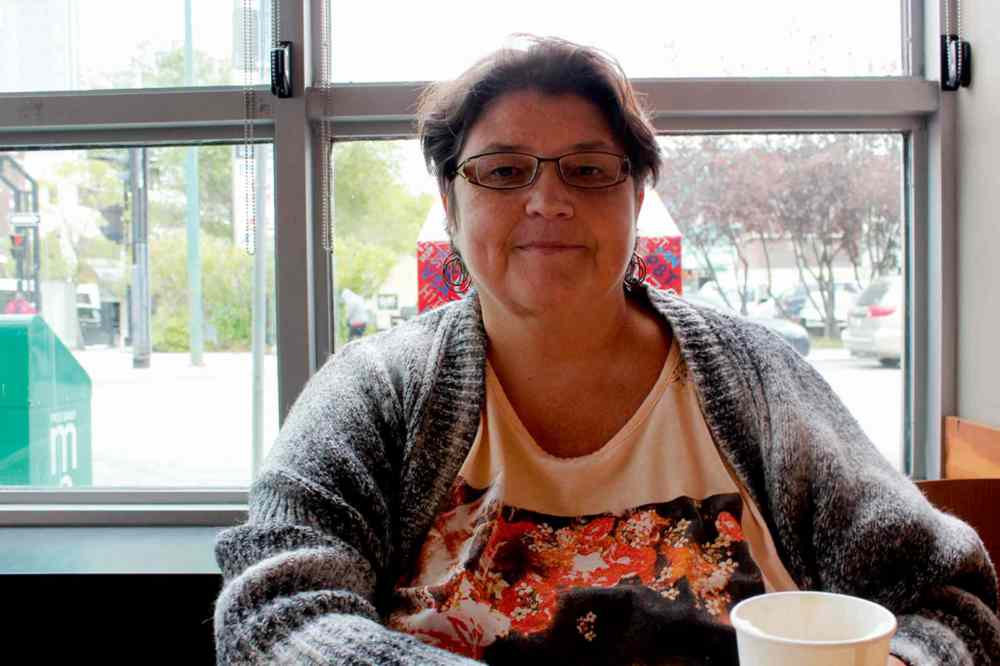
Anne Stewart, a registered nurse at Health Links for the past 19-and-a-half years, said after documents were transcribed, they were shredded for privacy reasons. At first, the system was manageable because the service didn’t receive many calls.
However, according to Duff, Health Links received 174,000 calls last year.
Stewart, a 54-year-old West End resident, said that before joining Health Links in 1995, she’d been a nurse for 15 years.
After graduating from the Health Sciences Centre’s two-year nursing program in 1980, Stewart worked at HSC before moving to Victoria General Hospital. She worked in pediatric intensive care and moved to British Columbia to work in emergency for a while, but came back to Winnipeg to nurse in the emergency room at Misericordia.
However, employees were being laid off at the time, and Stewart anticipated her job was at risk because she didn’t have seniority. What happened next determined her line of work for the next two decades.
“They asked me if I wanted to go to Health Links and I said yes,” Stewart said.
“It was a good move because I really enjoyed it.”
Facebook.com/TheMetroWPG
Twitter: @metroWPG