


Connecting students to the world
Graphic novel addresses issues of discrimination, violence
Advertisement
Hey there, time traveller!
This article was published 23/11/2015 (3883 days ago), so information in it may no longer be current.
“When Tina Fontaine’s body was found, and I went to the march and I saw everything that was happening, I felt really hopeful about some of the change I saw take place,” said graphic novellist David Robertson. “In schools I see a lot of great things happening.”
Robertson launched an updated version of his graphic novel, Betty: The Helen Betty Osborne Story, last May at McNally Robinson. He hopes that like the first version, this one will be used in classrooms to educate students about social issues that affect our indigenous population.
“Her story addresses the residential school system, the justice system, racism, segregation, discrimination and sexism, and it addresses missing and murdered indigenous women,” the West End resident said. “It’s not that she’s any more or less important but (her story) felt like the best conduit for me to tell the story I wanted to tell.”
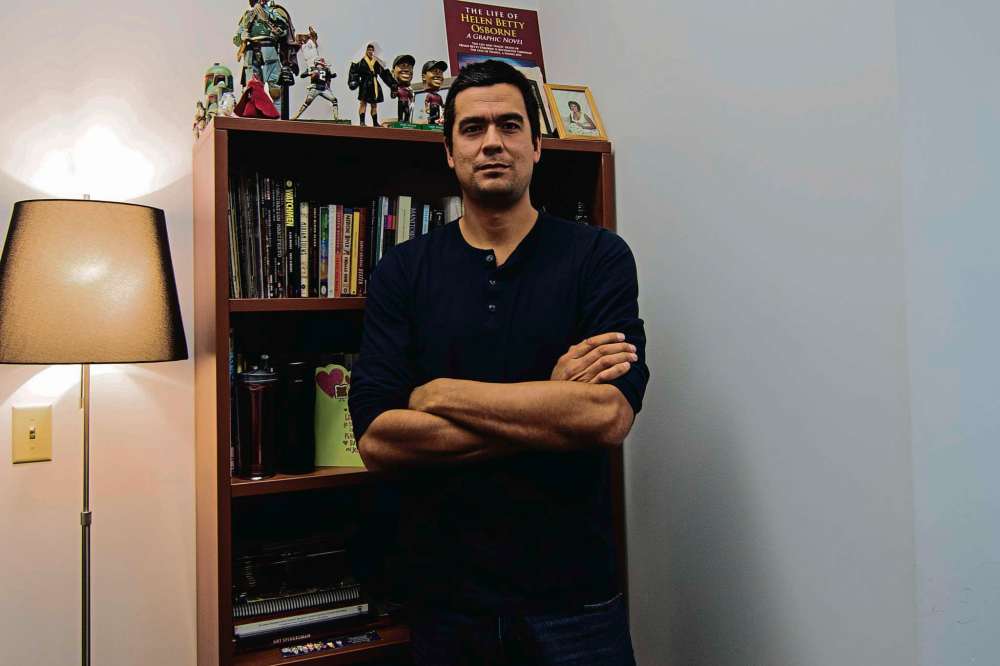
Robertson works as a publishing and communications administrator at Manitoba First Nations Education Resource Centre. He’s had plenty of experience with publishing books that are meant to go into schools, which led him to understand that graphic novels are an excellent way to communicate with youth.
“The work that the words and images do together helps draw meanings out of the text that you can’t do independently of one another,” he said. “We’re visual learners in general so I think there’s something that speaks to us in this way, images in sequence. It draws us back to ancient ways of communicating and I think that’s probably why I find it so effective.”
When Robertson has visited schools and classrooms to talk about the story, he’s received solid feedback and thoughtful questions.
“I hear the questions the kids have and it shows that they retained the messages in the story,” he said.
While educational material is an important first step, the author feels that how it is presented to students and what the teachers know about the topic themselves is just as important.
“An elementary school kid could read it easily, but then it becomes a question of content,” he said. “If a teacher can bring it into the classroom and have the resources available to address some of the issues in the text, I think it’s fine to bring it into a Grade 4, 5, 6 classroom.
“A lot of kids that age are reading graphic novels that are a lot more violent with much profanity and it’s gratuitous, so I think teachers have to ask themselves that question too… considering what kids are exposed to anyway, these are things that I think they should learn.”
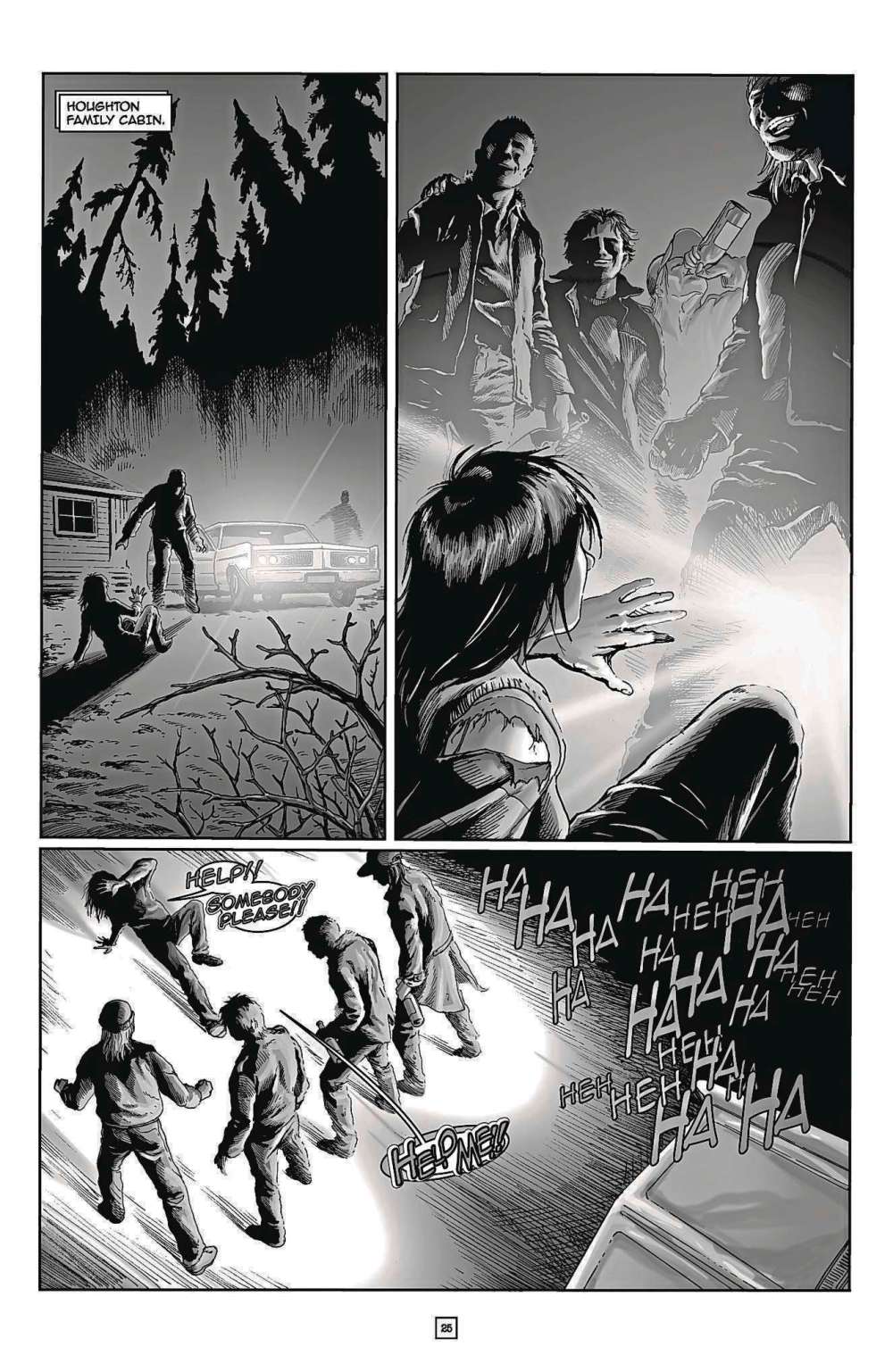
Robertson hopes that access to this kind of material will create change for the better.
“That’s where change comes from,” he said. “The change is going to come from the kids so equipping them with knowledge is important because otherwise we’re leaving them without the tools they need.”
Betty: The Helen Betty Osborne Story can be picked up at McNally Robinson (1120 Grant Ave.).
Facebook.com/TheMetroWPG
Twitter: @metroWPG