


Westwood writer recognized for children’s book
Early-years book a resource on residential schools
Advertisement
Hey there, time traveller!
This article was published 16/10/2017 (3192 days ago), so information in it may no longer be current.
Later in his life, David Alexander Robertson would hear countless accounts from those who were affected by the residential school system.
However, he was out of high school before he even knew what they were. That gap in education pushed the Westwood author to publish his first children’s book, When We Were Alone, which was recently named a finalist in the 2017 TD Canadian Children’s Literature Award.
Robertson said he wanted to provide teachers and parents with a tool to talk to young children about residential schools.
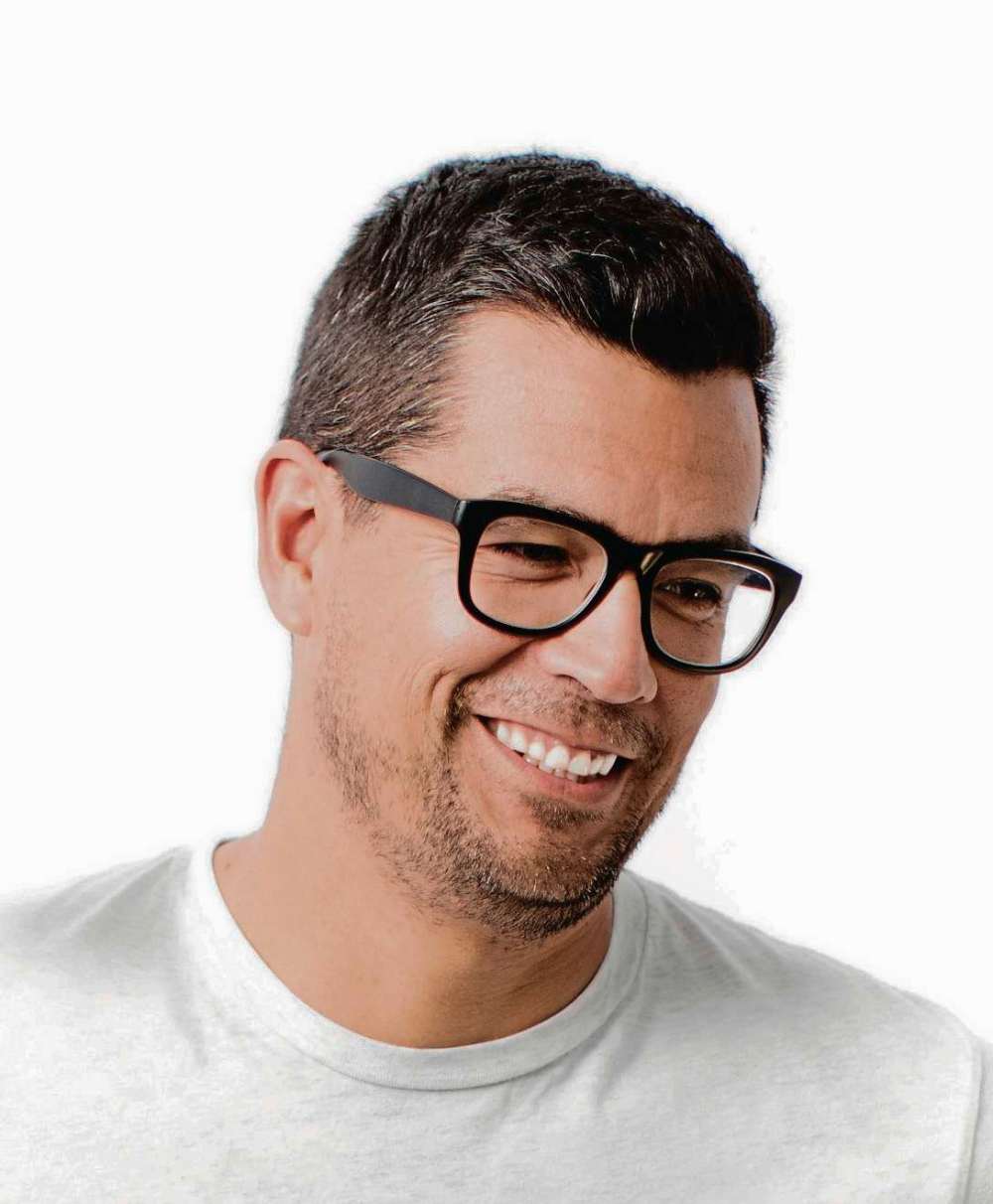
“When We Were Alone is about a grandmother and grandchild and it’s really a conversation they have between the two, so the grandchild notices things about the grandmother which she answers those questions that are asked in ways that relate back to her experience in residential schools, but are followed up with statements of empowerment,” Robertson said.
“The book is really about identity and what it was like for her to have that taken away and the empowerment of identity reclamation.”
Robertson said he’s seen the book — which is illustrated by Julie Flett — read to kids and youth of all ages, and at all levels he’s seen powerful conversations take place between student and teacher or child and parent once the topic is opened up for discussion.
“The research was really called from my own experience in knowing residential school survivors and speaking with survivors about their experience,” Robertson said. “Even my father went to a day school and wasn’t allowed to speak Cree in the classroom and had to speak Cree in the bush outside of the school in secret.

SUPPLIED PHOTO
“Those experiences are very powerful and so all of those things that I’ve learned over the years in just hearing these stories and researching the history was something I wove into a composite narrative that I felt would reflect the experiences of a child that was age-appropriate for young readers.”
He said the country’s social history in regards to things like residential schools and the ’60s scoop are important topics for children to learn, and should be introduced before high school.
“When a kid goes to Grade 10 you haven’t ignored math for the first nine years and then introduced calculus,” he said. “The same applies to teaching residential school history. It’s a complex history and if we (begin) addressing it early on we’re laying the foundation that we can build on as kids go to school. I think it’s vitally important that we start young and we build on that for their school right up to Grade 12.
“When I was going to school I didn’t even know what a residential school was… and the irony was that when I was graduating there was still at least a couple of schools operating in Canada, so that’s tough to reconcile the fact that they were operating and we weren’t learning anything about them. I think about that a lot.”
Robertson is best known for his graphic novels and he is currently working on a young adult trilogy, with the first book, Strangers, released Oct. 10. He says he would like to do another children’s book in the future.