



Helping kids with learning disabilities
LDAM changes programming due to COVID-19
Advertisement
Hey there, time traveller!
This article was published 30/06/2020 (1993 days ago), so information in it may no longer be current.
Students, teachers and parents have struggled with learning at home during the COVID-19 pandemic. For children with learning disabilities such as ADHD and dyslexia, that struggle becomes even harder.
The Learning Disabilities Association of Manitoba is hoping to reach out to more families who struggle with these disabilities.
LDAM provides support, advocacy and programming for individuals and families impacted by learning disabilities. The organization, located at 617 Erin Street, closed its doors and cancelled many of its programs to conform with provincial health guidelines. Some of their programming, such as their Arrowsmith program and their support groups, have moved online.
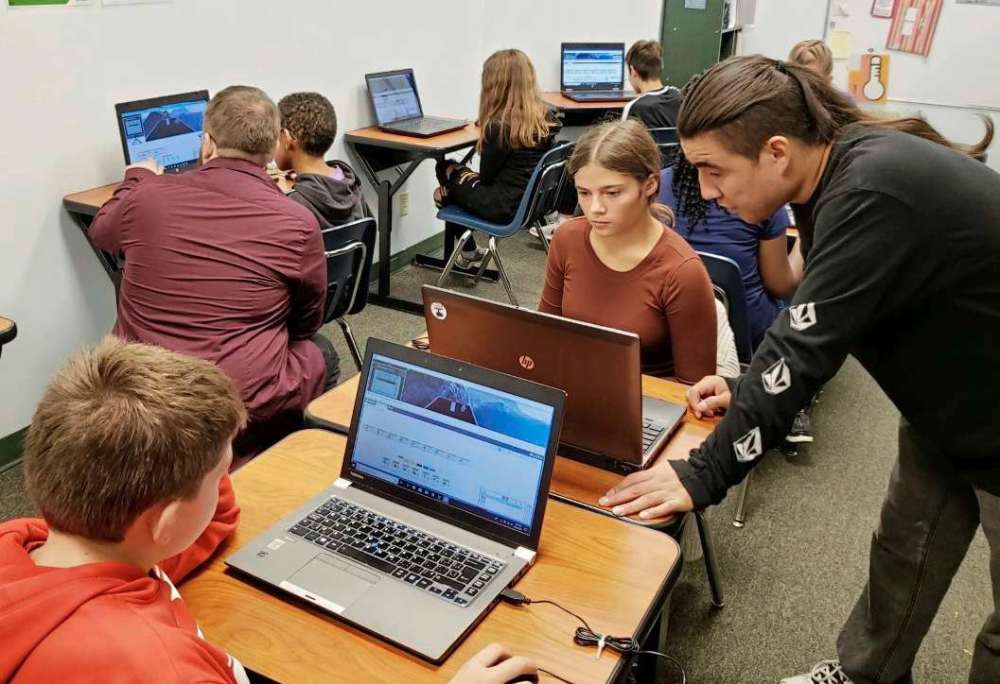
Karen Velthuys, executive director for LDAM, said they’re providing a sense of community for their students.
“Our (students) are still meeting their teacher every day. We organize gatherings, not only when they’re in ‘school,’ but also some after school sessions where they can chat with each other,” Velthuys said. “For our (students), this is their community. This is their home. We need to keep them connected so they can have some structure to their lives.”
Velthuys said maintaining some semblance of consistency for their students is very important. They finished off their Arrowsmith semester in June, while offering things like virtual lego building sessions and support groups.
Arrowsmith is a program that improves weak cognitive areas that underline some learning difficulties. Usually, the program can be done full-time or part-time, where teachers use neuroplasticity research to help students with attention problems, logical reasoning and other common issues.
School is already a challenge for people with learning disabilities. LDAM has worked with students and parents, reducing their courseload or finding other adjustments to make sure they can still succeed in the program.
For LDAM, maintaining that process is crucial. Many of the students experienced bullying and other barriers before coming to their program.

Velthuys said for their students, LDAM gives them an environment to succeed.
“One day, I saw three kids getting to know each other,” Velthuys said. “One of them started talking about their (disability), about some of the things that happened at school, they just didn’t feel safe. One of the other individuals said, in a very loud voice, ‘what? I thought I was the only one that happened to!’ Individuals who have not found a place for themselves, who have not found success, we’re there to help them.”
LDAM also helps the parents and family members of disabled children. Velthuys said they still keep in touch with graduates from their program, who still need help when they move on to college or university.
Unfortunately, due to the pandemic, the organization has had to cancel many of its fundraisers. For more information, or to donate, visit www.ldamanitoba.org