


Addressing the opioid crisis

Advertisement
Hey there, time traveller!
This article was published 02/01/2018 (3058 days ago), so information in it may no longer be current.
Opioid-related overdoses have claimed the lives of thousands of Canadians, devastating families and communities throughout the country and here in our community. In 2016, 69 people died from opioid-related deaths in Manitoba and from January to March 2017, 30 people lost their lives.
As an emergency physician, I’ve seen first-hand opioid use both as a prescribed treatment and as an addiction. I have too frequently witnessed the tragic results that come with opioid abuse.
As a member of the standing committee on health, I have used my knowledge and experience as a physician to raise awareness and combat the opioid crisis. My colleagues and I worked together to generate a report with 38 recommendations to address this issue.
On Dec. 7, during a health committee meeting, I asked Ginette Petitpas Taylor, Minister of Health, about the actions our government is taking to address the opioid crisis and what work has been done to implement these recommendations.
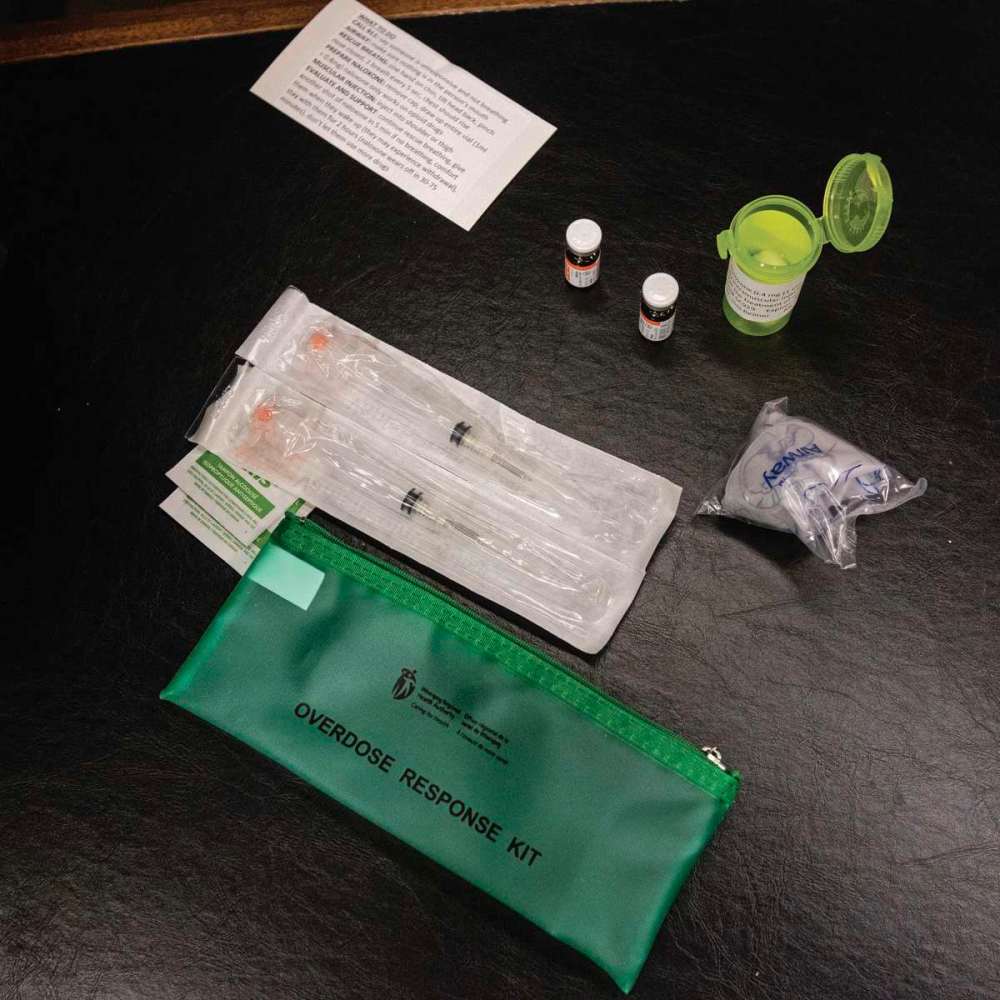
The minister stated addressing the opioid crisis is her number one priority, noting that our government has implemented the Opioid Action Plan, which has provided additional funding for jurisdictions requiring urgent support, increased the number of safe-consumption sites and has worked to make naloxone, a life-saving opioid-overdose reversal drug, more readily available.
Over the past year, I have received numerous questions about naloxone from constituents. In early 2018, my office will host a demonstration on how to properly administer naloxone to someone experiencing an opioid overdose. My office will announce the details at a later date. I encourage all who have expressed interested in our community to stop by and learn how to properly administer this life-saving drug.
The severity of this crisis requires that governments work together and move as fast as possible to confront the issue from all sides. The Public Health Agency of Canada is working closely with the provinces and territories through a special advisory committee to collect and share data from across the country to prevent future overdose deaths.
Individuals affected by addiction are not always in the forefront of the public eye, but the effects of opioids and opioid abuse can be felt in every corner of our country, including here in Charleswood-St. James-Assiniboia-Headingley. The statistics we see and hear in the news are not just numbers; they are our loved ones, coworkers, and neighbours. It is up to us to reach out, to remind them and ourselves they are a part of our community and there are those who are always willing to help.
If you or a loved one is facing an addiction and are seeking help, please contact the Manitoba Addictions Helpline at 1-855-662-6605. If you have any questions or require assistance with any federal matter, please contact my office at 204-984-6432 or doug.eyolfson@parl.gc.ca
Our newsroom depends on a growing audience of readers to power our journalism. If you are not a paid reader, please consider becoming a subscriber.
Our newsroom depends on its audience of readers to power our journalism. Thank you for your support.
Our newsroom depends on a growing audience of readers to power our journalism. If you are not a paid reader, please consider becoming a subscriber.
Our newsroom depends on its audience of readers to power our journalism. Thank you for your support.
Advertisement Advertise With Us