Flowers and colours await in our parks

Advertisement

Advertise with us

Hey there, time traveller!
This article was published 23/12/2014 (4252 days ago), so information in it may no longer be current.

They planted coneflowers, blue-eyed grass, dotted blazing star, gaillardia, golden rod, all kinds of wild astors, prairie roses, three-flowered avens, prairie clover, bergamot, black-eyed Susans, blue vervain, Canadian anemone, milkvetch, culvers roots, heart leaf Alexander, milkweed, saskatoons, nanny berries, dogwoods, big blue stem, blue grama, wild rye, little blue stem, purple oak grass and sweetgrass. 
They planted over 200 plants in two hours. Two-year olds, seniors and many in between helped the 103rd Churchill Park Scouts transform Don Gerrie Park into a diversified, healthy and attractive environment.
“We’re hoping that by reintroducing native species to the area that it will increase the number of insects, birds and small animals,” said Scouts’ volunteer and gardener Lori Bell.
The Scouts were encouraged to apply to the EcoAction Community Funding Program for a group habitat restoration grant.
The Scouts used their three-year grant, $6,000 per year, to purchase plants, equipment and signs. They chose to work on McKittrick Park because of the European Buckthorn that had begun killing off other plants in an area of Churchill Drive Park extending west from the St. Vital Bridge and Don Gerrie Park.
 Before planting could begin, the Scouts, Beavers, Venturers and their friends and families picked up garbage and removed thistles and European Buckthorn. 
In McKittrick Park the Buckthorn was replaced with trees native to the park including Manitoba maple, burr oak, green alder, American basswood, Assiniboine poplar and young, 10-year-old oaks. Nanny berry bushes, saskatoons, wild plums and hazelnuts were also planted.
Because birch, willow, maple, alder and cottonwood trees hold the soil and therefore can handle flooding, the Scouts planted these trees in Churchill Drive Park to provide the stability that prevents or minimizes riverbank erosion. It was necessary to plant a hybrid cottonwood tree because our indigenous cottonwoods are being ravaged by rust.
 To the Scouts’ surprise, even though beavers chewed up most of the alder trees, these hardy trees started growing up again from their bases as the annual spring flood receded.
“Everything we have chosen to plant is native to Manitoba and provides food, habitat or both to the birds, animals, larvae, insects, amphibians and reptiles,” Bell said.
The Scouts have also talked to people they have met in the three parks. Some passersby are curious about the vegetation. The Scouts have also stressed the importance of preserving the delicate habitats of the riverbank. They have informed people that dumping grass cuttings and leaves smothers and destroys these areas.
If you would like to help the Scouts pull out thistles and plant flowers next spring please contact Lori Bell by emailing her at tulabi@yahoo.com.      
Dianne Doney is a community correspondent for Fort Rouge. You can contact her at diannemary@hotmail.com

They planted coneflowers, blue-eyed grass, dotted blazing star, gaillardia, golden rod, all kinds of wild astors, prairie roses, three-flowered avens, prairie clover, bergamot, black-eyed Susans, blue vervain, Canadian anemone, milkvetch, culvers roots, heart leaf Alexander, milkweed, saskatoons, nanny berries, dogwoods, big blue stem, blue grama, wild rye, little blue stem, purple oak grass and sweetgrass. 

They planted over 200 plants in two hours. Two-year olds, seniors and many in between helped the 103rd Churchill Park Scouts transform Don Gerrie Park into a diversified, healthy and attractive environment.

Sou'wester
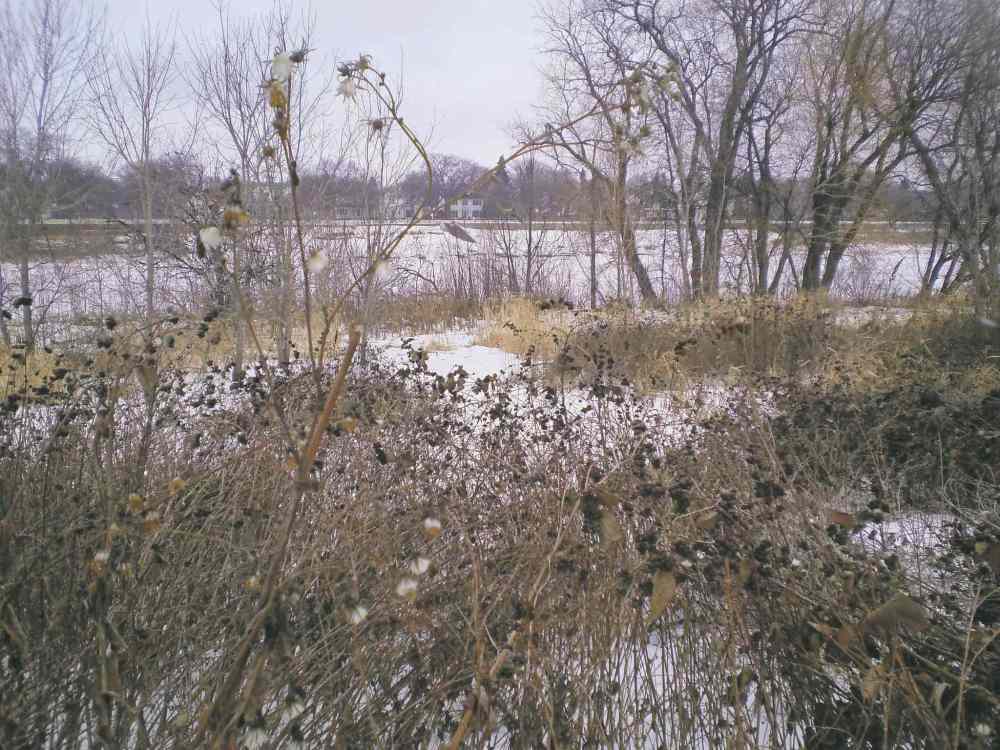
Some of the vegetation planted by area Scouts to help revive Don Gerrie, McKittrick and Churchill Drive parks.
Sou'wester Some of the vegetation planted by area Scouts to help revive Don Gerrie, McKittrick and Churchill Drive parks.

“We’re hoping that by reintroducing native species to the area that it will increase the number of insects, birds and small animals,” said Scouts’ volunteer and gardener Lori Bell.

The Scouts were encouraged to apply to the EcoAction Community Funding Program for a group habitat restoration grant.

The Scouts used their three-year grant, $6,000 per year, to purchase plants, equipment and signs. They chose to work on McKittrick Park because of the European Buckthorn that had begun killing off other plants in an area of Churchill Drive Park extending west from the St. Vital Bridge and Don Gerrie Park. 

Before planting could begin, the Scouts, Beavers, Venturers and their friends and families picked up garbage and removed thistles and European Buckthorn.

In McKittrick Park the Buckthorn was replaced with trees native to the park including Manitoba maple, burr oak, green alder, American basswood, Assiniboine poplar and young, 10-year-old oaks.

Nanny berry bushes, saskatoons, wild plums and hazelnuts were also planted.

Because birch, willow, maple, alder and cottonwood trees hold the soil and therefore can handle flooding, the Scouts planted these trees in Churchill Drive Park to provide the stability that prevents or minimizes riverbank erosion. It was necessary to plant a hybrid cottonwood tree because our indigenous cottonwoods are being ravaged by rust. 

To the Scouts’ surprise, even though beavers chewed up most of the alder trees, these hardy trees started growing up again from their bases as the annual spring flood receded.

“Everything we have chosen to plant is native to Manitoba and provides food, habitat or both to the birds, animals, larvae, insects, amphibians and reptiles,” Bell said.

The Scouts have also talked to people they have met in the three parks. Some passersby are curious about the vegetation. The Scouts have also stressed the importance of preserving the delicate habitats of the riverbank. They have informed people that dumping grass cuttings and leaves smothers and destroys these areas.

If you would like to help the Scouts pull out thistles and plant flowers next spring please contact Lori Bell by emailing her at tulabi@yahoo.com.      

Dianne Doney is a community correspondent for Fort Rouge. You can contact her at diannemary@hotmail.com

Report Error Submit a Tip

The Sou'wester

LOAD THE SOU'WESTER ARTICLES