


Newcomers enjoy outdoors, harvest produce
University of Manitoba installs new infrastructure at Rainbow Gardens
Advertisement
Hey there, time traveller!
This article was published 07/07/2017 (3396 days ago), so information in it may no longer be current.
Green thumbs at the Immigrant Integration and Farming Co-op’s Rainbow Community Gardens can now tend to their crops in greater comfort.
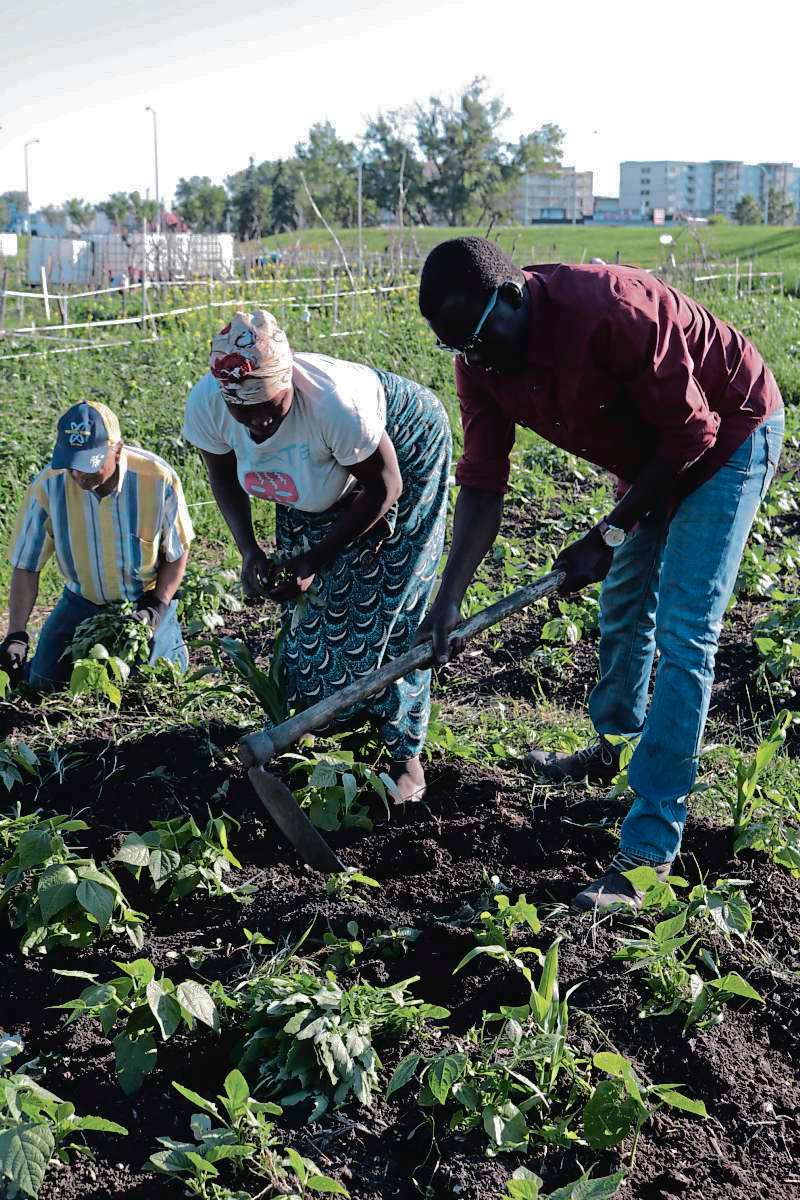
The Rainbow Gardens Architecture and Engineering initiative is a partnership between the University of Manitoba’s architecture and engineering faculty and the IIFCC to design and build new structures for the gardeners.
On June 18, the U of M officially opened the structures which include shelter for community events, passive water catchment and retention system, tool storage, summer kitchen facility, public washrooms with a compost toilet, and resting areas that provide shade.
Originally members used a tent that was too small for the number of people attending the garden and were running to a nearby Tim Hortons to use the washroom.
“Many women could not continue here because of the lack of where to go to the restroom, so the University got the compost toilet here and infrastructure for shade,” Raymond Ngarboui, the community development co-ordinator for Rainbow Community Gardens, said.
Amanda Reis, a student in the university’s masters of architecture program who was part of the project, said the faculty offers architecture design studio courses, which students join based on their preferences, and gives them an opportunity to learn through experience and have an impact in the community.
The Rainbow Community Gardens approached her professor, Lancelot Coar, to create the new structures.
“It’s pushing past the theoretical knowledge that we gained through learning in a typical setting. It’s been a better, or at least a different, learning experience getting to work with the community and not just one single client. It’s hearing all of their voices and taking into account what their needs are as opposed to thinking about those things on an abstract level,” she said, adding the gardens support 200 immigrant families in Winnipeg.
Since 2008, the Rainbow Community Gardens have provided newcomers with space to grow food and interact with each other.
In addition to growing produce, the Rainbow Community Gardens offer workshops in cooking, nutrition, and vegetable preservation so that members can freeze and eat what they’ve grown throughout the winter time. The new infrastructure installed will improve and host many of these workshops.
Hosseien Bahrami joined the garden this year and said it had been a good experience for him. Bahrami was a farmer in Iran, and because of language barriers he hasn’t been able to go back to his field here in Canada but hopes to become an entrepreneur farmer.
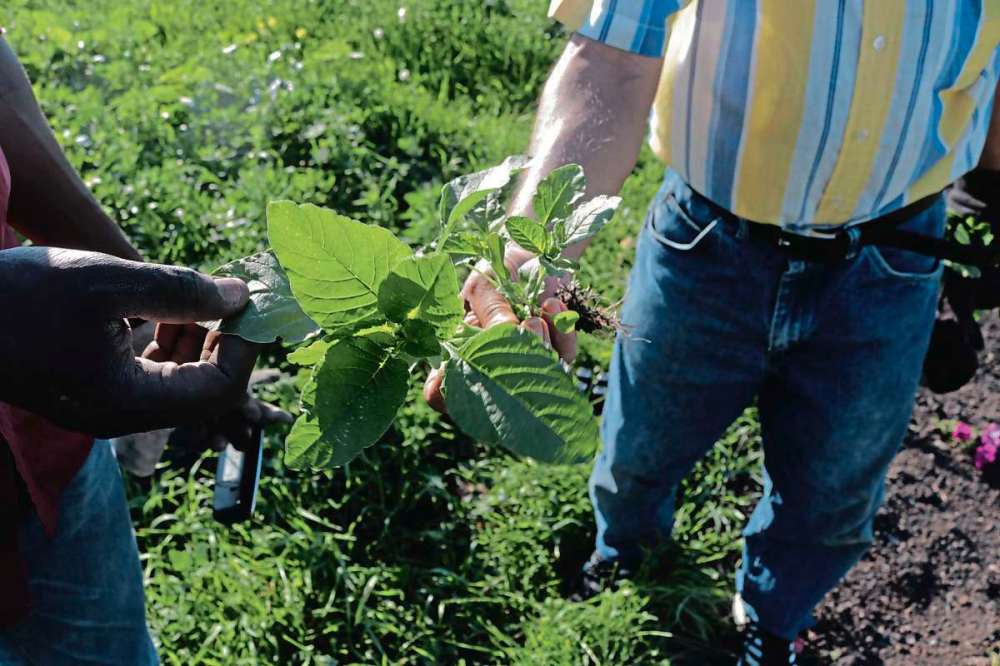
“This is a good experience for me for business in the future,” he said.
Gary Srivastava said he enjoys volunteering at the gardens so much that he loses track of time.
“This is one of the important places. You interact with other people, and you exchange food,” Srivastava explained. “It helps with our health because it’s organic. I’m still eating my produce from last year. It doesn’t have so many chemicals compared to the market.”
The term “Rainbow” is borrowed from South Africa. The Rainbow Nation is a term first used by Nelson Mandela and made popular by Archbishop Desmond Tutu to describe post-apartheid South Africa, and it captures the multiculturalism and relationships of people from different nations living together.
The garden’s mandate goes beyond providing fresh and healthy food. Ngarboui said the gardens help newcomers reconnect with their roots and develop skills. It’s a place that eases isolation and encourages immigrants to enjoy the outdoors during summer.
“It is about having a place for newcomer families, refugees, and especially single mothers to come with their children or family in the summer time, to spend time out of the downtown area and interact with people from different nationalities and some community members that speak their languages,” he continued.
Although Rainbow Community Gardens has several supporters, there’s a lot of work to be done. Their biggest challenge is a lack of resources and lack of transportation. They still need donations of bus tickets, used tools, and volunteers. To get involved, please contact IIFCC at iifcc.coop@gmail.com or phone 204-509-6259